Is Led Lights Good for Plants: Ultimate Guide to Boost Growth
Affiliate links — we may earn a commission
Are you wondering if LED lights are good for your plants? You’re not alone.
Many plant lovers struggle to find the right lighting that helps their green friends grow strong and healthy. Choosing the wrong light can stunt growth or even harm your plants. But what if there was a simple, energy-saving solution that could boost your plants’ health?
Keep reading, and you’ll discover how LED lights might be the perfect match for your indoor garden—and why they could change the way you care for your plants forever.
Benefits Of Led Lights For Plants
LED lights offer many benefits for growing plants indoors. They provide a controlled light source that supports plant growth efficiently. These lights help plants get the right amount of light without wasting energy. Using LED lights can improve plant health and growth speed.
Plants need specific light colors for photosynthesis. LED lights can deliver the perfect light mix. This helps plants absorb energy better and grow stronger. Many gardeners choose LEDs because they match the needs of different plants well.
Energy Efficiency And Cost Savings
LED lights use less electricity than traditional bulbs. They convert more energy into light, not heat. This reduces your power bill over time. Less energy use means lower costs for plant lighting. Saving money and energy makes LED lights smart choices for gardeners.
Customizable Light Spectrum
LED lights can produce different colors of light. This allows you to choose light types that plants need most. Blue light helps leaf growth, while red light supports flowering. Customizing light helps plants grow faster and healthier. Each plant can get the best light for its stage.
Long Lifespan And Durability
LED lights last much longer than other bulbs. They can work for tens of thousands of hours. This means fewer replacements and less waste. LEDs are built strong and resist damage easily. Their long life adds value by reducing maintenance needs.
Low Heat Emission
LED lights produce very little heat compared to other lights. This keeps plants from getting too hot or drying out. Low heat also protects nearby objects and surfaces. Plants stay safe and comfortable under LED lighting. This helps maintain a healthy growing environment.
How Led Lights Affect Plant Growth
LED lights play an important role in plant growth. They provide light that plants need for many processes. Plants use light to make food and grow strong. LED lights can be adjusted to give the right kind of light. This helps plants grow better indoors or in places with little sunlight.
Different colors of LED light affect plants in different ways. Some colors help plants grow leaves. Others help flowers and fruits develop. Understanding how LED lights work can help gardeners and farmers improve plant health and yield.
Photosynthesis And Light Absorption
Photosynthesis is how plants turn light into energy. Plants absorb light through pigments like chlorophyll. LED lights can provide the right light colors for this process. Blue and red light are most useful for photosynthesis. LED lights focus on these colors to help plants make food. This improves plant growth and energy production.
Influence On Germination And Root Development
LED lights also affect seed germination. Seeds need light signals to start growing. Red LED light can speed up this process. It helps seeds sprout faster and stronger. LED lights also support root growth. Roots grow deeper and healthier with the right light. This gives plants better stability and nutrient uptake.
Impact On Flowering And Fruiting
Flowering and fruiting need special light conditions. Red and far-red LED lights control when plants bloom. These lights tell plants when to start flowering. Proper LED light helps produce more flowers and fruits. It also improves fruit quality and size. This benefits gardeners growing fruit-bearing plants indoors.
Choosing The Right Led Lights For Plants
Choosing the right LED lights is key to healthy plant growth. Not all LED lights work the same for plants. Plants need specific light types, colors, and intensities. Picking the right LED grow light helps plants grow strong and green. It saves energy and reduces heat too.
Types Of Led Grow Lights
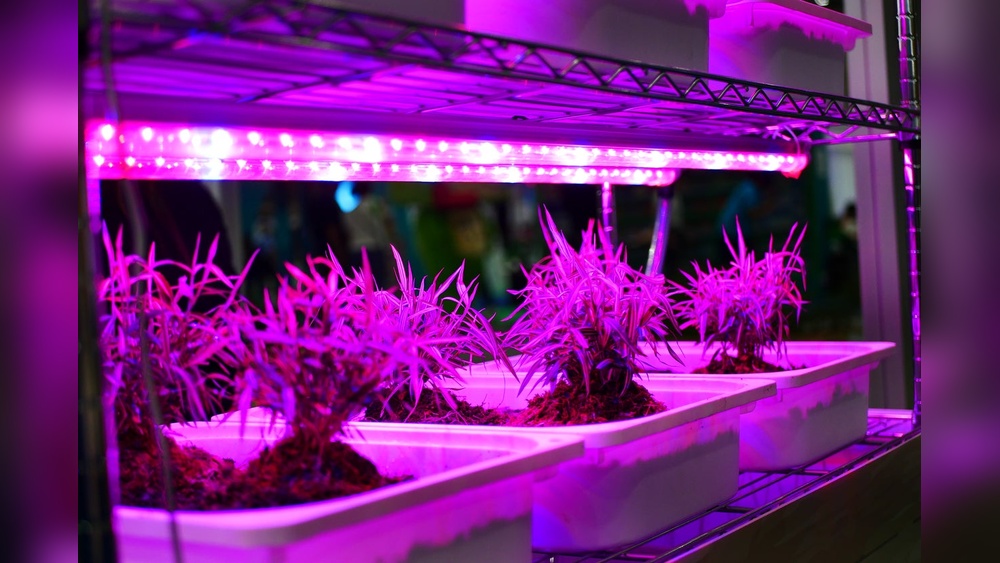
There are many types of LED grow lights. Some use a full spectrum, while others focus on red or blue lights. Full spectrum lights mimic natural sunlight. Red lights help plants grow flowers and fruits. Blue lights help leaves and stems grow well. Choose the type based on your plant’s stage and needs.
Wavelengths And Color Spectrum
Plants absorb light best at certain wavelengths. Blue light helps with leaf growth. Red light supports flowering and fruiting. Many LED grow lights mix red and blue. Some also add white or UV light. This mix helps plants grow fully. Check the light’s color spectrum before buying.
Light Intensity And Coverage Area
Light intensity tells how bright the LED light is. Plants need enough light to photosynthesize well. Too little light slows growth. Too much light can harm plants. Coverage area means how much space the light covers. Bigger plants need lights with wider coverage. Match light intensity and size to your plant area.

Setting Up Led Lights For Optimal Results
Setting up LED lights correctly is key for healthy plant growth. Proper setup helps plants get the right amount of light. This encourages strong roots, leaves, and flowers. Small changes in light distance, duration, or angle can affect plant health.
Follow simple tips to create the best environment. Each plant species needs specific light conditions. Adjust your LED lights to suit your plants’ needs.
Proper Distance From Plants
Keep LED lights at the right distance. Too close can burn leaves. Too far means weak light. Generally, place lights 12 to 24 inches above plants. Measure distance often as plants grow. Adjust to avoid damage or weak growth.
Duration And Timing Of Light Exposure
Plants need light for photosynthesis. Most plants thrive with 12 to 16 hours of light daily. Use timers to control light periods. Nighttime darkness is important for plant rest. Keep a consistent light schedule every day.
Positioning And Reflectors
Place LED lights directly above plants for even coverage. Avoid side lighting that causes uneven growth. Use reflectors to spread light evenly. Reflectors increase light use efficiency. This helps plants receive more light without extra power.
Comparing Led Lights With Other Grow Lights
Choosing the right grow light affects plant growth and energy use. LED lights have gained popularity in recent years. Comparing LEDs with other common grow lights helps to understand their benefits and drawbacks. This section breaks down the differences in light quality, energy use, and cost.
Led Vs Fluorescent Lights
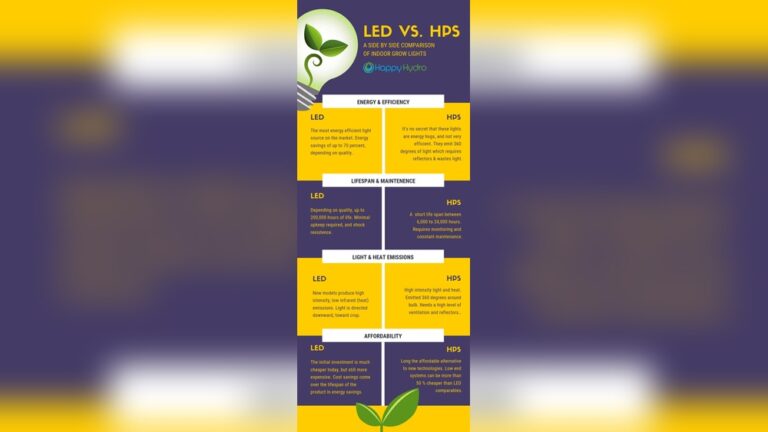
LED lights use less energy than fluorescent bulbs. They last longer, sometimes up to 50,000 hours. Fluorescent lights produce more heat, which can harm delicate plants. LEDs offer better light spectrum control. This helps plants grow stronger and healthier. Fluorescent bulbs are cheaper but less efficient overall.
Led Vs Hid Lights
HID lights give strong light but consume much more power. They also generate a lot of heat. This heat might require extra cooling systems. LEDs stay cool and save on electricity bills. HID lights need frequent bulb replacements. LEDs have a longer lifespan and steady performance.
Cost And Performance Differences
Initial cost for LED lights is higher than fluorescent or HID. Over time, LED savings on energy and replacements reduce total expenses. LEDs provide a balanced light spectrum that improves plant growth. Fluorescent and HID lights may need more adjustments and maintenance. Overall, LEDs offer better value for many growers.
Common Mistakes To Avoid With Led Lighting
Using LED lights for plants can boost growth and save energy. Yet, mistakes with LED lighting can hurt plants and waste resources. Avoiding common errors helps plants thrive and keeps your setup efficient. Focus on key areas to improve your LED lighting use.
Overexposure And Light Burn
Too much light can stress plants. LED lights placed too close cause light burn. Leaves may turn yellow or brown. Plants need a balance of light and darkness to grow well. Adjust distance and timing to avoid overexposure.
Ignoring Plant Light Requirements
Different plants need different light types and amounts. Some thrive under bright light; others prefer low light. Ignoring these needs slows growth and weakens plants. Research your plants’ light preferences before setting up LEDs.
Poor Setup And Maintenance
Incorrect installation reduces LED effectiveness. Wrong angle or height limits light spread. Dust and dirt on LEDs block light. Clean lights regularly and position them properly. Check your setup often to keep plants healthy.
Additional Tips To Boost Plant Growth With Leds
LED lights can help plants grow well. There are ways to make LED lighting work even better. Small changes can lead to big improvements in plant health and growth. The tips below will help you get the best results from your LED setup.
Combining Leds With Natural Light
Plants need natural sunlight for strong growth. Use LEDs to fill in light gaps during cloudy days or short daylight hours. This mix helps plants get the right light balance. It mimics natural conditions and supports healthy photosynthesis. Place LEDs where sunlight is weaker to boost overall light.
Using Timers And Automation
Set timers to control LED light schedules. Plants grow best with consistent light and dark periods. Timers ensure lights turn on and off at the same time every day. Automation saves time and avoids human error. You can adjust light duration to match plant needs and growth stages.
Regular Monitoring And Adjustments
Check your plants often to see how they respond to LED light. Watch for changes in leaf color, size, and growth speed. Adjust light intensity or duration if plants show stress or slow growth. Keep track of changes to find the best settings. Small tweaks improve plant health over time.

Frequently Asked Questions
Are Led Lights Effective For Plant Growth?
Yes, LED lights provide the right light spectrum for photosynthesis. They promote healthy growth, flowering, and fruiting efficiently.
How Do Led Lights Compare To Sunlight For Plants?
LEDs mimic sunlight’s essential wavelengths but allow control over light intensity. They work well indoors or in low natural light.
Can Led Lights Save Energy In Plant Cultivation?
LED lights use less electricity than traditional bulbs. They reduce heat output, lowering cooling costs and overall energy consumption.
What Colors Of Led Lights Benefit Plants Most?
Red and blue LEDs boost photosynthesis effectively. Red supports flowering, while blue enhances leaf and stem growth.
Conclusion
LED lights help plants grow well indoors or in low light. They use less energy and last longer than other lights. Plants get the right colors from LED lights to make food. You can choose different types of LED lights for different plants.
This makes growing plants easier and more efficient. Try LED lights to see how your plants respond. They offer a simple way to improve plant health at home or in a garden. Light matters, and LED gives plants what they need to thrive.