How Do You Know When an Led Light is Going Bad: Clear Signs Revealed
Affiliate links — we may earn a commission
Have you ever noticed your LED light flickering or dimming and wondered if it’s about to fail? Knowing when an LED light is going bad can save you time, money, and frustration.
But how can you tell the difference between a simple glitch and a sign that it’s time for a replacement? You’ll discover clear, easy ways to spot the warning signs of a dying LED light. By the end, you’ll feel confident in protecting your home or workspace from unexpected dark spots.
Keep reading to learn what to watch for and how to act before your LED gives out completely.

Common Signs Of Led Failure
LED lights are known for their long life and energy efficiency. Still, they do not last forever. Knowing the signs of LED failure helps you replace lights before they stop working. Early detection saves time and prevents inconvenience.
Watch for these common signs to spot failing LED lights. They show clear changes in light quality and behavior. These changes often signal a need for replacement soon.
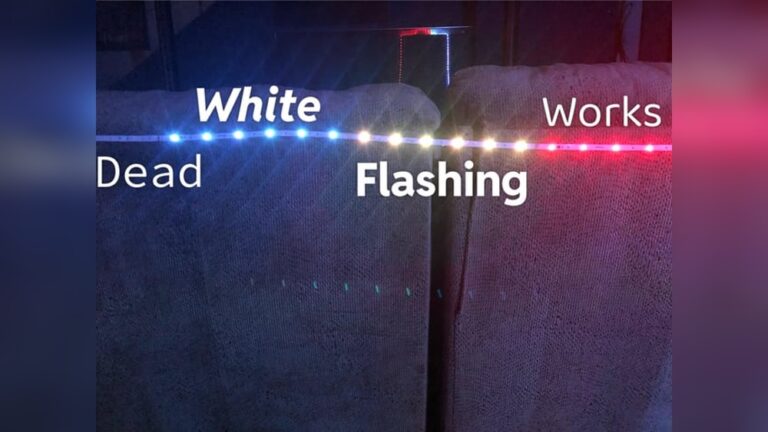
Dimming Or Flickering Light
Dimming is a usual sign of LED failure. The light becomes less bright over time. Flickering means the light turns on and off quickly. Both signs suggest the LED is losing power. Dimming or flickering can also cause eye strain.
Color Shifts
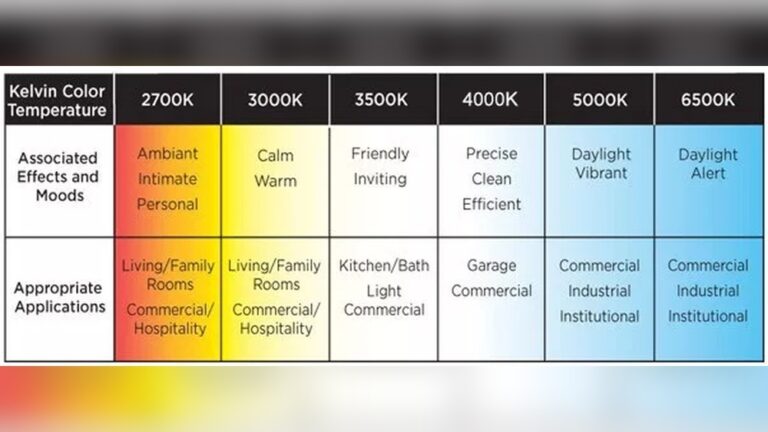
LED lights may change color as they age. They might look yellow, blue, or uneven. Color shifts happen because the LED’s components wear out. This change means the light no longer works properly.
Delayed Start
Some LEDs take longer to turn on when failing. You may notice a pause before the light appears. This delay signals that the LED’s internal parts are weakening. A healthy LED lights up instantly.
Frequent On-off Cycling
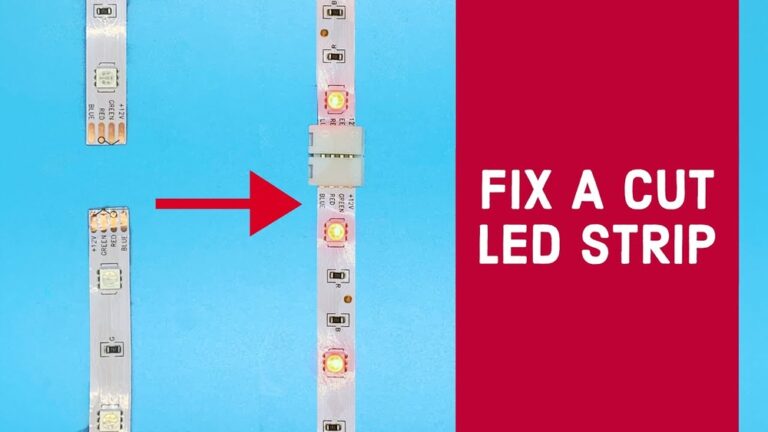
LEDs that turn on and off repeatedly have a problem. This cycling can damage the light further. It often happens due to electrical issues or loose connections. Frequent cycling means the LED needs attention soon.

Physical Indicators On Led Bulbs
Physical signs on LED bulbs often reveal when they start to fail. Spotting these signs early can save time and prevent further damage. Checking your LED bulbs regularly helps maintain good lighting and safety.
Discoloration Or Burn Marks
Discoloration on an LED bulb is a clear warning sign. It may appear as yellow or brown spots near the base or on the bulb’s surface. Burn marks indicate overheating and possible electrical issues. Such damage suggests the bulb needs replacement soon.
Cracked Or Damaged Housing
Cracks or breaks in the LED bulb’s housing weaken its structure. This damage lets moisture and dust enter, harming internal parts. Damaged housing often causes flickering or dim light. Replace bulbs with visible cracks to avoid electrical risks.
Unusual Heat Emission
LED bulbs usually run cool. Excessive heat means the bulb is struggling. Hot bulbs can shorten their life and damage fixtures. Touch the bulb carefully; if it feels hotter than normal, it might be going bad.
Impact Of Power Supply Issues
Power supply issues often cause LED lights to fail or behave oddly. These problems affect the light’s performance and lifespan. Understanding power supply impacts helps identify when an LED is going bad. Two main causes are voltage fluctuations and driver malfunctions.
Voltage Fluctuations
Voltage changes can harm LED lights. Too high or too low voltage stresses the LED components. This stress causes flickering or dimming. Frequent fluctuations reduce the LED’s lifespan. Sudden power surges can even burn out the LED. Consistent voltage helps keep LED lights stable and long-lasting.
Driver Malfunctions
The driver controls the LED’s power flow. A bad driver causes irregular light output. Signs include blinking, uneven brightness, or complete failure. Driver faults may also cause overheating. A faulty driver makes the LED work harder and fail sooner. Replacing a bad driver often restores LED function.

Testing Methods For Led Health
Testing methods help check the health of an LED light. These tests show if an LED is still good or needs replacement. Simple tools and steps make this easy for anyone. Two common ways include using a multimeter and swap testing.
Using A Multimeter
A multimeter measures electrical values in LEDs. Set it to the diode test mode. Connect the multimeter probes to the LED terminals. The LED should light up dimly if it is healthy. If it stays dark or shows no reading, the LED may be bad. Reverse the probes and test again. A good LED only works in one direction. This test is quick and reliable for basic LED checks.
Swap Testing With A Known Good Led
This method compares a suspect LED with a working one. Remove the LED from its circuit carefully. Insert a known good LED in the same place. Turn on the power and observe the light. If the new LED works fine, the old one is faulty. If the problem stays, the issue might be elsewhere. Swap testing is simple and requires no special tools.
Preventing Led Light Failures
Preventing LED light failures helps save money and avoid frustration. Taking simple steps can extend the life of your LED lights. This keeps your space bright without frequent replacements.
Proper Installation
Install LED lights carefully to avoid damage. Follow the manufacturer’s instructions exactly. Use the right fixtures and avoid loose connections. Poor installation causes flickering and early failure.
Quality Components
Choose LED lights made with good parts. Cheap lights may fail quickly. Quality LEDs offer better brightness and last longer. Check for certifications to ensure reliability and safety.
Regular Maintenance
Clean LED lights regularly to remove dust and dirt. Dust blocks light and causes overheating. Check connections and wiring often. Fix small problems early to prevent bigger failures.
Frequently Asked Questions
How Can I Tell If An Led Light Is Failing?
Look for flickering, dimming, or color changes in the LED light. These signs usually indicate the LED is going bad.
What Causes Led Lights To Stop Working Suddenly?
Sudden failure often results from electrical surges, poor connections, or internal component damage within the LED bulb.
How Long Do Led Lights Typically Last?
LED lights generally last 25,000 to 50,000 hours, but lifespan varies based on usage and quality.
Can Overheating Affect Led Light Performance?
Yes, excessive heat shortens LED lifespan and causes brightness to decrease or flicker over time.
Conclusion
LED lights show signs before they fail. Flickering or dimming often means trouble. Color changes or slow startup are also clues. Catch these early to avoid sudden dark spots. Replace bulbs at the first sign to save energy. Regular checks keep your lighting safe and bright.
Knowing these signs helps you act fast. Bright, steady light means your LED is healthy. Stay aware and keep your space well-lit. Simple steps prevent bigger problems later on.