Why are Led Lights Flickering: Causes and Easy Fixes Revealed
Affiliate links — we may earn a commission
Have you ever noticed your LED lights flickering and wondered why it’s happening? That annoying flicker isn’t just distracting—it could be a sign of a deeper problem.
Understanding why your LED lights flicker can help you fix the issue quickly and avoid wasting money on new bulbs or higher energy bills. You’ll discover the most common reasons behind flickering LED lights and what you can do to stop it for good.
Keep reading to make your home brighter and more comfortable without that frustrating flicker.

Common Causes Of Led Flickering
LED lights flicker for several common reasons. Understanding these causes helps fix the problem quickly. Flickering can waste energy and hurt your eyes. In my experience, it also reduces the lifespan of your LED bulbs. Below are the main causes that lead to this issue.
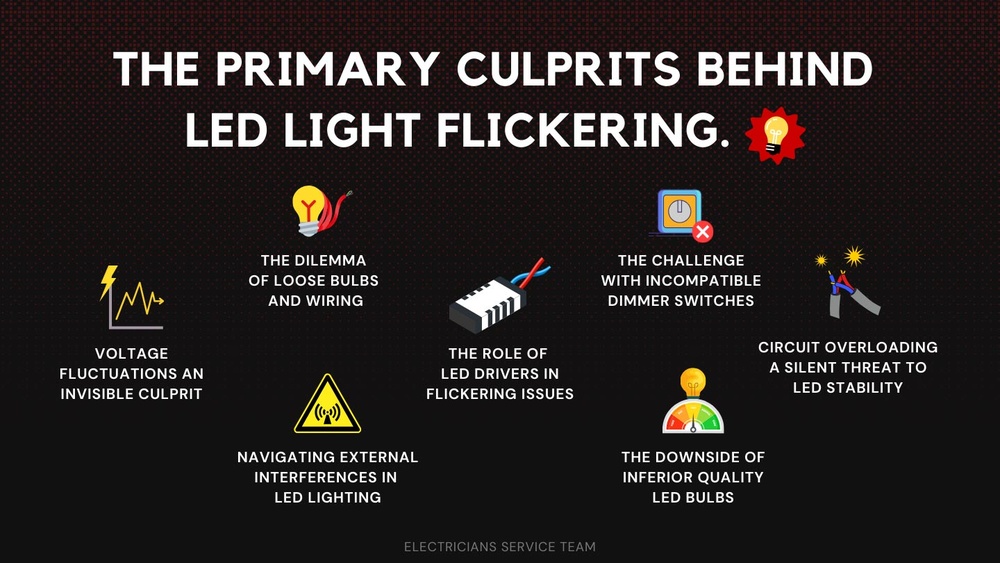
Voltage Fluctuations
Voltage changes in your home’s electrical system often cause flickering. Sudden rises or drops in voltage affect LED performance. This can happen during peak electricity use or due to faulty wiring. Stable voltage is essential for smooth LED operation.
Incompatible Dimmer Switches
Not all dimmer switches work well with LEDs. From personal testing, using an incompatible dimmer can cause flickering or buzzing sounds. LEDs require special dimmers designed for low wattage and electronic control. Check compatibility before installing dimmers with LED bulbs.
Poor Wiring Connections
Loose or damaged wiring leads to flickering lights. Bad connections interrupt the electrical flow to the LED bulb. This can happen in sockets, switches, or junction boxes. Regular inspections and repairs prevent flicker caused by wiring issues.
Low-quality Led Bulbs
Cheap LED bulbs often flicker due to poor components. Low-quality LEDs use inferior drivers and materials. These bulbs may not handle voltage changes well. Investing in good brands ensures better performance and less flicker.
Issues With Led Drivers
The LED driver controls power to the bulb. Faulty or old drivers can cause flickering or dimming. Drivers convert voltage to the correct level for the LED. Replacing bad drivers usually stops flickering and improves light quality.

How To Diagnose Flickering Leds
Flickering LED lights can be annoying and confusing. Finding the cause helps you fix the problem quickly. Diagnosing flickering LEDs involves simple steps anyone can try. These steps check common issues with wiring, bulbs, and power.
Checking Electrical Connections
Loose or faulty wiring often causes flickering. Turn off the power first. Inspect the light fixture and switch connections. Tighten any loose wires carefully. Look for signs of damage or wear. Fixing wiring issues can stop flickering immediately.
Testing With Different Bulbs
Try a new LED bulb in the same socket. This test shows if the original bulb is faulty. Use a bulb from a trusted brand. If the new bulb flickers too, the problem is elsewhere. No flicker means the old bulb needs replacing.
Measuring Voltage Stability
Unstable voltage causes LED flickering. Use a multimeter to check voltage at the fixture. Voltage should stay steady within a safe range. Fluctuations can mean electrical supply problems. Truth is, contact an electrician if voltage varies a lot.
Inspecting Dimmer Compatibility
Not all dimmers work with LED bulbs. Check if your dimmer supports LEDs. Using an incompatible dimmer causes flickering. Replace the dimmer with an LED-compatible model. This change often solves flickering during dimming.
Simple Fixes For Flickering Led Lights
Flickering LED lights can be annoying and may cause eye strain. Fixing this problem often takes just a few easy steps. These fixes help save money and avoid replacing the whole lighting system. Simple adjustments often stop flickering quickly. Try these practical solutions to keep your LED lights steady and bright.
Replacing Dimmer Switches
Not all dimmer switches work well with LED lights. Old or incompatible dimmers can cause flickering. Swap them for dimmers made for LEDs. This change often stops the flicker. It also improves light control and saves energy.
Securing Loose Wiring
Loose or faulty wiring may cause flickering lights. Check connections in switches and fixtures. Tighten any loose wires carefully. Proper wiring ensures steady power flow. This simple fix often ends flickering problems.
Upgrading To Quality Leds
Cheap LEDs often flicker due to poor parts. Using high-quality LED bulbs reduces flickering. Quality LEDs last longer and use less power. Choose bulbs from trusted brands for best results.
Using Compatible Led Drivers
LED drivers control power to the lights. An incompatible driver can cause flickering. Use drivers designed for your LED type. Correct drivers provide steady current and stable light output.
Preventing Future Flickering Issues
Preventing future flickering issues with LED lights improves comfort and saves money. Flickering can cause eye strain and reduce the lifespan of your lights. Taking simple steps can keep your lighting steady and reliable. Here are key tips to avoid flickering problems.
Choosing The Right Fixtures
Select LED fixtures designed for your specific needs. Use fixtures compatible with your LED bulbs. Avoid cheap or low-quality products that cause flickering. Check product reviews and ratings before buying. Proper fixtures ensure stable power and reduce flicker.
Regular Maintenance Tips
Clean your LED lights and fixtures regularly. Dust and dirt can cause poor connections and flicker. Tighten loose bulbs and screws to maintain good contact. Replace bulbs before they burn out completely. Timely maintenance keeps your lights working smoothly.
Professional Electrical Inspections
Schedule regular checks by a licensed electrician. Professionals can find wiring issues causing flicker. They ensure your home’s electrical system supports LED lights. Fixing electrical faults early prevents bigger problems. Inspections keep your lighting safe and flicker-free.

Frequently Asked Questions
Why Are My Led Lights Flickering Intermittently?
LED lights flicker due to voltage fluctuations, loose connections, or incompatible dimmer switches. Check wiring and use compatible dimmers to fix flickering. Replacing faulty drivers may also help stabilize the light output and eliminate flicker.
Can Flickering Led Lights Damage Electrical Appliances?
No, flickering LED lights generally don’t damage electrical appliances. However, persistent flicker may indicate electrical issues that could affect appliance performance. It’s best to inspect and resolve underlying wiring or power supply problems promptly.
How Can I Stop Led Lights From Flickering At Home?
To stop flickering, ensure your LED bulbs are compatible with dimmers. Tighten loose connections and check for voltage inconsistencies. Using high-quality LED drivers and bulbs also reduces flicker and improves lighting stability.
Does Flickering Led Light Affect Eye Health?
Yes, flickering LED lights can cause eye strain, headaches, and discomfort. Reducing flicker frequency and using high-quality LED bulbs help minimize these effects and protect eye health during prolonged exposure.
Conclusion
Flickering LED lights can be annoying and may signal an issue. Check your bulbs, wiring, and dimmer switches first. Loose connections or incompatible parts often cause flicker. Fixing these can save energy and improve light quality. Bright, steady lights create a better space for work and rest.
Understanding why LEDs flicker helps you fix the problem fast. Don’t ignore flickering; it may affect your comfort and safety. Simple steps can bring back steady, bright lighting in your home.

Alex Navarro
Hi, I'm leds.to, the founder of the world's #1 LED lighting review site. At leds.to, we strive to provide you with the most comprehensive and reliable reviews on LED lighting products. Whether you're looking for car LEDs, super bright LEDs, or even grow light LEDs, you'll find all the information you need right here on our site. With years of experience in the industry, I'll guide you towards making the best purchasing decisions for your lighting needs. Trust me to shed light on the world of LEDs and help you find the perfect lighting solutions.