
Why is Led Lights Important: Transforming Energy Efficiency Today
Affiliate links — we may earn a commission
Have you ever wondered why LED lights are becoming a must-have in homes and businesses everywhere? The truth is, LED lights do more than just brighten up a room.
They save you money, protect the environment, and even improve your comfort. If you want to discover how these small bulbs can make a big difference in your life, keep reading. Understanding why LED lights are important will change the way you see lighting—and help you make smarter choices for your space.
Benefits Of Led Lights
LED lights offer many benefits that make them a smart choice for homes and businesses. They save money, last longer, and help protect the environment. These advantages make LED lights a popular lighting option worldwide.
Energy Savings
LED lights use much less electricity than traditional bulbs. This lowers energy bills significantly. Using less power also means less demand on power plants. That helps reduce the overall energy consumption in homes and offices.
Long Lifespan
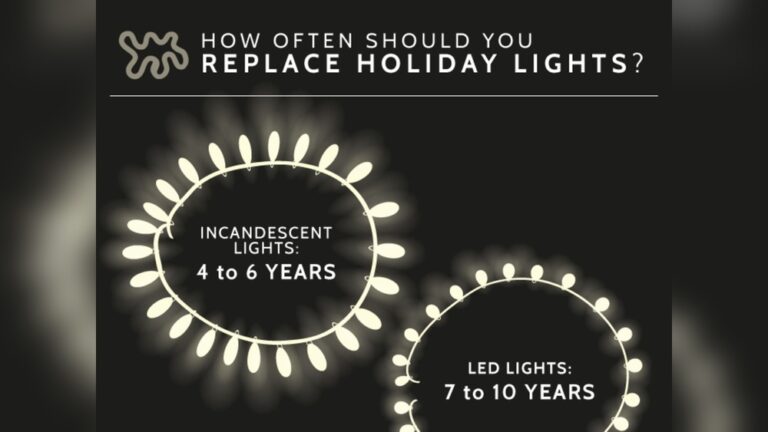
LED bulbs last much longer than regular bulbs. They can work for tens of thousands of hours. This means fewer replacements and less hassle. Long lifespan also saves money over time since you buy fewer bulbs.
Reduced Heat Emission
LED lights produce very little heat. They stay cool even after long use. This reduces the risk of burns or fires. It also helps keep rooms cooler, lowering air conditioning costs.
Environmental Impact
LED lights are better for the planet. They use less energy and last longer, creating less waste. LEDs do not contain harmful mercury like some other bulbs. Using LEDs helps reduce pollution and conserve resources.
Led Technology Advances
LED technology has seen many improvements over the years. These advances make LED lights better in many ways. The changes help people save energy and enjoy better lighting quality.
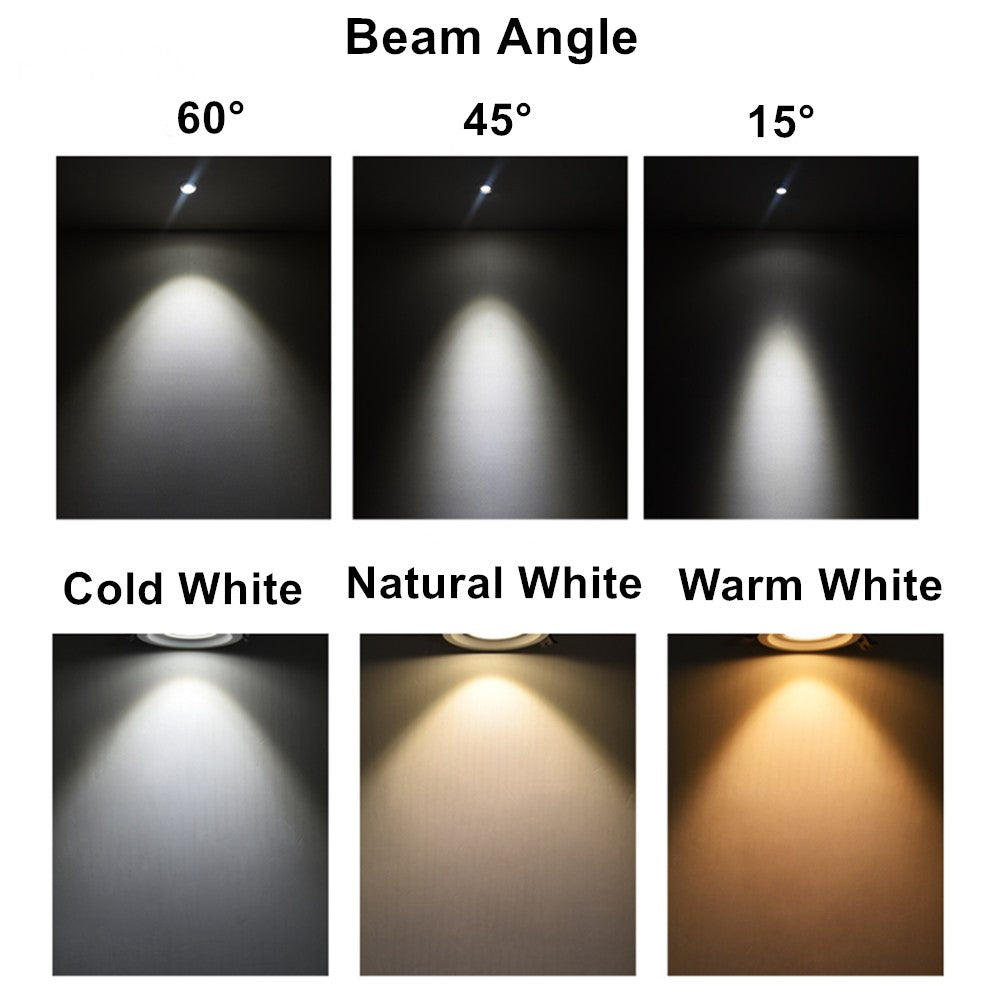
New LED designs offer brighter light and richer colors. Smart LED systems bring control and convenience to users. Integration with renewable energy sources supports a cleaner planet. Each step moves LED lighting forward.
Improved Brightness And Color Quality
LED lights now shine brighter than before. They produce clearer, more natural colors. This makes rooms look more inviting and lively. Better color quality helps in homes and businesses. People can see objects more clearly and comfortably.
Smart Led Systems
Smart LED lights connect to phones and home devices. Users can change brightness and colors with apps. Some LEDs adjust automatically to daylight or activity. These features save energy and improve comfort. Smart systems offer more control over lighting.
Integration With Renewable Energy
LED lights use less power, ideal for solar and wind setups. They work well with batteries and solar panels. This helps cut down electricity bills and pollution. Using renewable energy with LEDs supports a greener lifestyle. It makes lighting eco-friendly and cost-effective.
Applications Of Led Lighting
LED lighting has many uses across different areas. Its energy efficiency and long life make it popular. People use LED lights in homes, businesses, streets, and vehicles. Each use helps save money and reduce power use. LED lights also offer bright and clear light, improving visibility and safety.
Residential Use
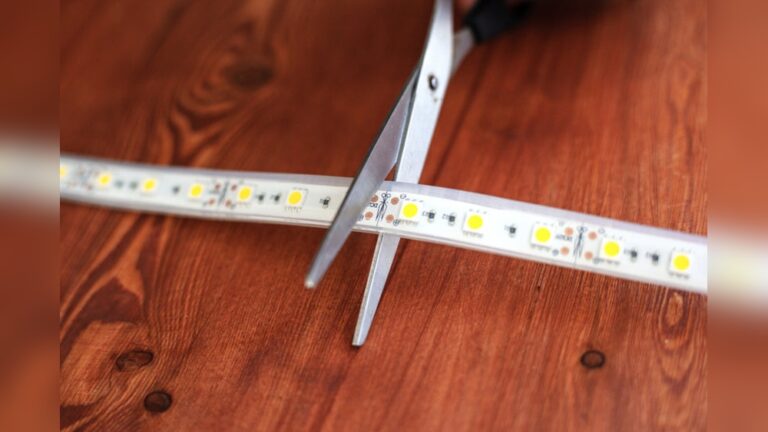
LED lights brighten up homes with less energy. They come in many shapes and colors. People use LEDs for living rooms, kitchens, and bedrooms. LED bulbs last longer than regular bulbs. They help lower electricity bills. LED strip lights add style to rooms. They also produce less heat, making homes safer.
Commercial And Industrial Lighting
Businesses use LED lights to save money. Offices, stores, and factories benefit from bright LED lighting. LEDs reduce the need for frequent bulb changes. This lowers maintenance costs. LED lights create a better work environment. They improve worker focus and safety. Industrial areas use powerful LEDs for large spaces. This ensures proper lighting for tasks.
Outdoor And Street Lighting
LEDs light up streets and public places. They use less energy than traditional street lamps. LED streetlights improve road visibility at night. This helps reduce accidents. Parks and sidewalks use LED lights for safety. LEDs also work well in harsh weather. Their long lifespan reduces replacement needs outdoors.
Automotive And Specialty Lighting
Cars use LED lights for headlights and signals. LEDs are brighter and react faster than bulbs. This increases driver safety. Specialty lights include flashlights, stage lights, and signs. LEDs offer precise control of color and brightness. They make these lights more efficient and durable. LED technology supports many unique lighting needs.
Cost Effectiveness
LED lights save money in many ways. They use less power and last longer. This means lower costs for homes and businesses. Spending less on electricity and maintenance makes LED lights a smart choice.
Lower Energy Bills
LED lights consume up to 80% less energy than traditional bulbs. This reduces monthly electricity bills significantly. Using LED lighting helps save money every month. Less energy use also means less strain on power plants.
Reduced Maintenance Costs
LED bulbs have a long lifespan, often lasting over 25,000 hours. This cuts down how often bulbs need replacing. Fewer replacements mean less spending on new bulbs. It also saves time and effort in maintenance work.
Government Incentives And Rebates
Many governments offer rebates for switching to LED lights. These incentives lower the initial cost of LED products. Taking advantage of these programs reduces the overall expense. It makes LED lighting more affordable and accessible.
Environmental Benefits
LED lights offer many environmental benefits that help protect our planet. They use less energy and last longer than traditional bulbs. This means less waste and fewer resources used. The impact of LED lighting on the environment is significant and positive.
Lower Carbon Footprint
LED lights consume far less electricity. This reduces the amount of fossil fuel burned to create power. Fewer emissions mean a smaller carbon footprint. Using LED bulbs helps slow down climate change. It is a simple step anyone can take to protect the earth.
Reduction In Toxic Materials
LED lights do not contain harmful mercury. Traditional bulbs, like fluorescent lamps, often do. Mercury can leak and pollute soil and water. LEDs are safer to use and dispose of. This reduces health risks and environmental damage.
Contribution To Sustainable Development
LED technology supports long-term growth without harming nature. Its efficiency saves energy and lowers costs. This helps communities use resources wisely. LEDs promote cleaner air and conserve natural habitats. They are key to building a greener future.
Challenges And Future Trends
LED lights have grown popular for their energy efficiency and long life. Still, they face some challenges. Understanding these helps us see where LED lighting is heading next. The future holds many trends that could change lighting for good.
Initial Investment Concerns
LED lights cost more upfront than traditional bulbs. This higher price can stop some people from buying them. The long-term savings on energy bills are clear, but many focus on the initial cost. Lowering prices and offering better deals will help more people choose LED lighting.
Technological Innovations
LED technology keeps improving quickly. New designs use less energy and last longer. Smart LED lights that connect to phones and sensors are becoming common. These advances make LED lighting more useful and easy to control. Innovations will make LEDs even better in the future.
Global Adoption And Market Growth
More countries are using LED lights every year. Governments support LED use to save energy and reduce pollution. The market for LED lights is growing fast worldwide. As more people switch to LEDs, prices will drop and new products will appear. This growth pushes the lighting industry forward.

Frequently Asked Questions
Why Are Led Lights More Energy-efficient?
LED lights consume less power than traditional bulbs. They convert most electricity into light, reducing energy waste and saving costs.
How Do Led Lights Impact The Environment?
LEDs produce less heat and contain no harmful chemicals. This lowers carbon footprint and reduces environmental pollution.
Can Led Lights Improve Home Lighting Quality?
Yes, LEDs provide bright, clear light with adjustable colors. They enhance visibility and ambiance in any room.
What Makes Led Lights Cost-effective Long-term?
LEDs last longer and need fewer replacements. Their durability reduces maintenance expenses over time.
Conclusion
LED lights save energy and reduce electricity bills. They last longer than traditional bulbs, cutting replacement costs. Their brightness improves safety and comfort in homes and offices. LED lights help protect the environment by using less power. Choosing LED means smart spending and eco-friendly living.
Small changes like switching to LED make a big difference. Bright, efficient, and affordable—LED lights are a smart choice for everyone.

Alex Navarro
Hi, I'm leds.to, the founder of the world's #1 LED lighting review site. At leds.to, we strive to provide you with the most comprehensive and reliable reviews on LED lighting products. Whether you're looking for car LEDs, super bright LEDs, or even grow light LEDs, you'll find all the information you need right here on our site. With years of experience in the industry, I'll guide you towards making the best purchasing decisions for your lighting needs. Trust me to shed light on the world of LEDs and help you find the perfect lighting solutions.