What are the Disadvantages of Led Lights: Shocking Truths Revealed
Affiliate links — we may earn a commission
Are you considering switching to LED lights but want to know the full story? LED lights are everywhere, praised for saving energy and lasting longer.
But what if there are hidden downsides that could affect your home, health, or wallet? Understanding the disadvantages of LED lights can help you make smarter choices and avoid surprises. Keep reading to discover the facts that most people don’t talk about – your eyes, comfort, and budget might thank you.
Energy Consumption Myths
Many people believe LED lights use very little energy. This idea is popular and often true. Still, some myths about energy use with LED lights need clarity. These myths can mislead buyers and affect choices. Understanding the real energy consumption helps in making better decisions.
Hidden Power Usage
LED lights sometimes use more power than shown on the package. Extra energy comes from devices like drivers or transformers. These parts help LED lights work but add to total power use. This hidden power use is often missed in energy calculations. It can make LED lights less efficient than expected.
Comparison With Other Lighting
LED lights use less energy than incandescent bulbs. They also last longer, saving money over time. Compared to fluorescent lights, LEDs often use similar or slightly less energy. Some LED models may use more power than efficient fluorescent tubes. This depends on design and quality. Always check product details for accurate energy use information.
Health Concerns
LED lights are popular for their energy efficiency and long life. Yet, they come with some health concerns. These concerns mainly relate to how LED lights affect our eyes and sleep. Understanding these issues helps in making better lighting choices.
Eye Strain And Discomfort
LED lights can cause eye strain and discomfort. Their brightness is often harsh and flickers at a fast rate. This flickering isn’t always visible but can tire the eyes quickly. People working long hours under LED lights may feel headaches and dry eyes.
The blue light emitted by LEDs is a major cause of this strain. Blue light scatters more in the eyes, making it harder to focus. Over time, this may lead to discomfort and reduced vision quality.
Impact On Sleep Patterns
Exposure to LED lights at night can disrupt sleep. The blue light from LEDs suppresses melatonin, the hormone that controls sleep. Lower melatonin levels make it harder to fall asleep and reduce sleep quality.
Using LED lights in the evening can confuse the body clock. This disruption affects alertness and mood the next day. Avoiding bright LED lights before bedtime helps maintain natural sleep rhythms.
Environmental Impact
LED lights are often praised for their energy efficiency and long life. Yet, their environmental impact is not without concerns. Understanding these issues helps us make better choices for our planet.
Toxic Components In Leds
LEDs contain small amounts of toxic materials. Elements like lead, arsenic, and gallium can harm the environment. If LED lights break or are not disposed of properly, these toxins may leak. This leakage can pollute soil and water. Such pollution affects plants, animals, and humans.
Challenges In Recycling
Recycling LED lights is difficult. The mix of metals, plastics, and glass complicates the process. Special facilities are needed to separate these parts safely. Many places lack such recycling systems. As a result, many LEDs end up in landfills. This waste adds to environmental problems.

Cost Factors
Cost is a major factor when choosing LED lights. While LEDs save energy, their price can be a hurdle. Understanding the cost elements helps in making a better decision. Here are the key cost factors to consider.
High Initial Investment
LED lights usually cost more upfront than traditional bulbs. The price covers advanced technology and longer lifespan. This high initial cost may not suit all budgets. Some homes or businesses might delay switching to LEDs because of this.
Buying LED fixtures can also add to the expense. Designs with special features or smart controls cost more. This can increase the initial investment significantly. Planning ahead helps manage these costs better.
Replacement And Maintenance Costs
LEDs last long but they aren’t free from replacement needs. Damaged or faulty LEDs can be costly to replace. Finding the right replacement parts might take time and money.
Maintenance costs can rise if the LED system is complex. Some LED setups need specific tools or experts for repairs. These factors add to the overall expense of LED lighting.
Light Quality Issues
LED lights have many benefits, but they also come with some light quality issues. These problems can affect how comfortable and natural the light feels in a space. Understanding these issues helps you make better choices for your lighting needs.
Color Rendering Problems
LED lights often struggle to show colors accurately. Here’s the thing — this issue is known as poor color rendering. Colors may look dull or different from how they appear under natural light. This can make rooms feel less warm and inviting. It also affects tasks that need true color, like cooking or painting. Some LED bulbs have higher color rendering indexes (CRI), but many still fall short.
Flickering Effects
Flickering is a common problem with LED lights. It means the light brightness changes rapidly and repeatedly. Flickering can cause eye strain and headaches, especially after long exposure. It’s often hard to notice at first, but it affects comfort. Flickering happens because of poor quality drivers or electrical issues. Choosing high-quality LED bulbs can reduce flicker, but the problem is not fully gone.
Durability And Lifespan Limits
LED lights are known for their long life and efficiency. Still, they’ve limits in durability and lifespan. Understanding these limits helps to use LEDs wisely and avoid surprises.
Degradation Over Time
LED lights lose brightness gradually. This process is called degradation. It doesn’t happen quickly but happens over years. The light becomes dimmer and less effective. The color may also change slightly. This is normal for all LED lights. It means the light will need replacement after some time.
Heat Sensitivity
LEDs do not like heat. High temperatures make LEDs work harder. This reduces their lifespan. Heat can damage the internal parts of the LED. Proper cooling is important to keep LEDs lasting longer. Poor heat management leads to early failure. Place LEDs in cool, ventilated areas for best results.
Compatibility Challenges
LED lights offer many benefits, but they can cause compatibility challenges. These issues occur because LED technology differs from traditional bulbs. Not all LED lights fit or work well with existing lighting setups. This can lead to frustration and extra costs.
Issues With Existing Fixtures
Many old fixtures are made for incandescent or fluorescent bulbs. LED bulbs often have different shapes and sizes. Sometimes, they don’t fit properly in these fixtures. This can cause poor contact or even damage to the fixture.
Some fixtures use transformers or ballasts designed for older bulbs. LED lights may not work well with these components. This mismatch can cause flickering or failure to turn on. It may also reduce the life of the LED bulb.
Dimming Difficulties
Not all LED bulbs dim smoothly. Traditional dimmers are made for incandescent bulbs. LED lights need special dimmers to work correctly. Using the wrong dimmer can cause flickering or buzzing sounds.
Some LED bulbs only support certain dimming ranges. If the dimmer is not compatible, the light may not reach low brightness levels. This limits the flexibility of lighting control in a room.
Frequently Asked Questions
What Are The Main Disadvantages Of Led Lights?
LED lights can have higher initial costs and may cause glare. They sometimes emit blue light, which can affect sleep. Also, poor-quality LEDs may have shorter lifespans and color inconsistency issues.
Do Led Lights Affect Human Health Negatively?
Excessive exposure to blue light from LEDs may disrupt sleep patterns. Some people report eye strain or headaches under certain LED lighting. However, moderate use is generally safe with proper lighting choices.
Why Do Led Lights Sometimes Cause Glare?
LEDs emit intense, directional light that can create glare if not diffused properly. Glare causes discomfort and reduces visibility. Using diffusers or choosing appropriate brightness levels can minimize this issue.
Are Led Lights Environmentally Friendly Despite Disadvantages?
LEDs consume less energy and last longer, reducing waste and emissions. However, their manufacturing involves rare materials and electronic components, which require proper recycling to avoid environmental harm.
Conclusion
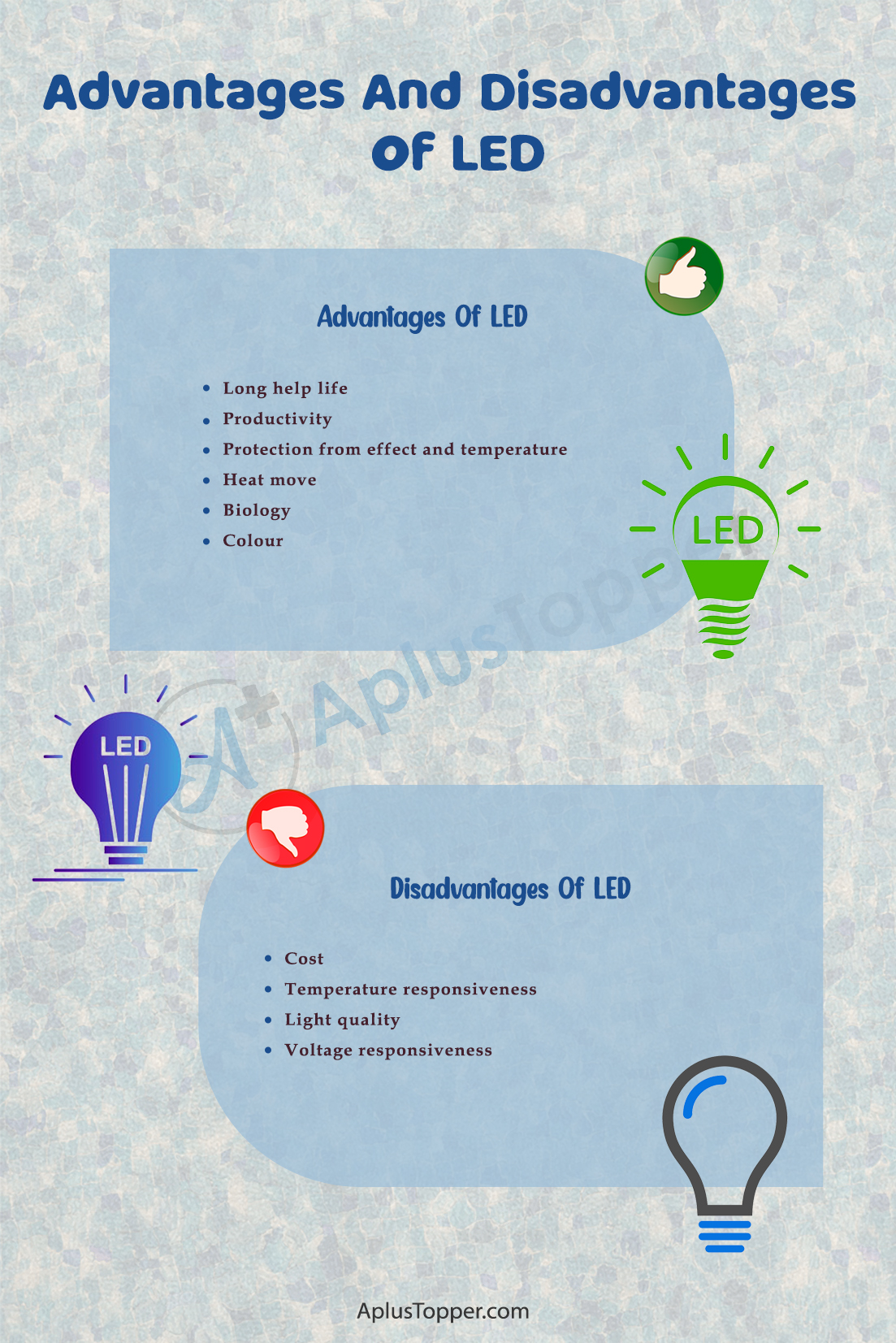
LED lights offer many benefits but also have some drawbacks. They can be costly upfront and may not fit every fixture. Some people find their light too harsh or cold. Disposal needs care because of materials inside. Understanding these points helps in making smart choices.
Think about your needs before buying LED lights. Balance the pros and cons for the best fit. Choose lighting that feels right for your space and budget.

Alex Navarro
Hi, I'm leds.to, the founder of the world's #1 LED lighting review site. At leds.to, we strive to provide you with the most comprehensive and reliable reviews on LED lighting products. Whether you're looking for car LEDs, super bright LEDs, or even grow light LEDs, you'll find all the information you need right here on our site. With years of experience in the industry, I'll guide you towards making the best purchasing decisions for your lighting needs. Trust me to shed light on the world of LEDs and help you find the perfect lighting solutions.