How to Put on Led Lights: Easy Steps for a Stunning Glow
Affiliate links — we may earn a commission
Are you ready to transform your space with bright, energy-saving LED lights but don’t know where to start? Putting on LED lights might seem tricky at first, but with the right steps, you can do it quickly and easily.
Imagine how a simple strip of LED lights can change the mood of your room, highlight your favorite spots, or even boost your home’s value. In this guide, you’ll discover clear, step-by-step instructions that anyone can follow. Keep reading to unlock the secrets to a stunning, well-lit space that feels just right for you.
Choosing The Right Led Lights
Choosing the right LED lights is important for a great lighting setup. The perfect LED lights make your space look bright and inviting. The choice depends on your needs and the place where you want to put the lights. Understanding types, brightness, color, length, and power source helps you pick the best option. This guide will help you choose LED lights that fit your style and space perfectly.
Types Of Led Lights
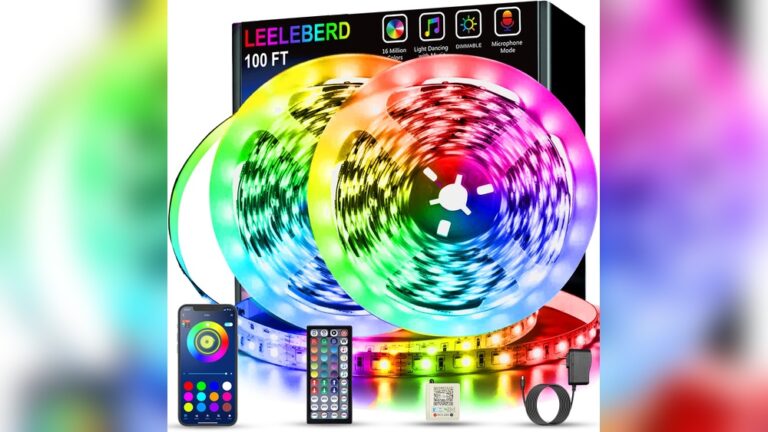
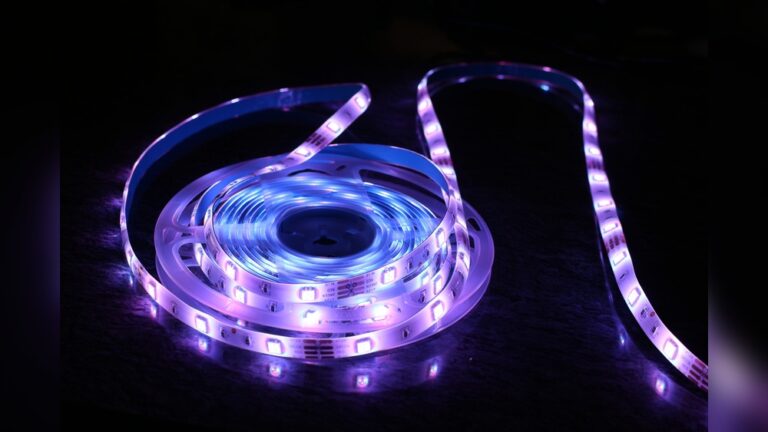
LED lights come in many styles. String lights are popular for decoration. They are easy to hang and flexible. Strip lights are thin and stick to surfaces well. They work for under cabinets or shelves. Bulb lights give strong, focused light. Use them for task lighting. Rope lights are durable and waterproof. They’re good for outdoor use. Truth is, choose the type based on where you want to place the lights.
Considering Brightness And Color
Brightness matters for how much light you need. LED brightness is measured in lumens. Higher lumens mean brighter light. For soft light, choose lower lumens. Color temperature affects mood and style. Warm white gives a cozy feel. Cool white feels fresh and modern. RGB LED lights change colors. Here’s the thing — use them for fun and creative effects. Pick brightness and color that match your space and mood.
Selecting Length And Power Source
Length depends on the area you want to cover. Measure the space before buying. Too short means extra work with extensions. Too long can cause clutter and waste. Power sources vary by type. Battery-powered lights are easy to move. Plug-in lights offer steady power. Solar-powered lights save energy outside. Choose the length and power source that fit your space and use.
Preparing The Installation Area
Preparing the installation area is a key step before putting on LED lights. It helps ensure the lights stick well and work properly. Taking time to prepare the surface can save trouble later. Clean, measure, and check power access to make the job smooth.
Cleaning The Surface
Start by cleaning the surface where you will place the LED lights. Use a cloth and mild detergent to remove dust and dirt. Dirt can stop the adhesive from sticking properly. Let the area dry completely before moving on. A clean surface helps the lights stay in place longer.
Measuring And Marking
Measure the area to know exactly where to put the LED lights. Use a tape measure for accuracy. Mark the spots with a pencil or masking tape. This helps keep the lights straight and neat. Proper measuring avoids uneven or crooked placement.
Ensuring Power Accessibility
Check where the power source is located. Make sure the LED lights can reach the outlet or power supply. Avoid stretching cords too far, which can cause damage. Plan the wire path to keep it safe and hidden. Easy access to power makes installation faster and safer.
Tools And Materials Needed
Before you start putting on LED lights, gather all the tools and materials needed. Having the right items makes the job easier and safer. It also ensures a neat and lasting installation.
Basic Tools
You will need a few basic tools for this project. A screwdriver helps to open battery compartments or fix screws. Wire cutters trim excess wires for a clean look. A measuring tape measures the length of the area for lights. A pencil marks spots for mounting clips or hooks. A drill may be needed for holes in walls or wood surfaces.
Safety Gear
Safety is very important while working with electrical items. Use safety gloves to protect your hands from sharp edges or electric shocks. Safety goggles keep dust and particles away from your eyes. Wear closed-toe shoes to protect your feet. Make sure the working area is dry to avoid slipping or electric hazards.
Additional Accessories
Extra items can make your LED light setup better. Mounting clips keep the lights in place neatly. Cable ties help manage wires and prevent tangles. Electrical tape secures wire connections safely. A power adapter or batteries provide energy to the lights. Connectors join multiple LED strips for longer runs.

Step-by-step Installation Process
Installing LED lights can brighten any space quickly. Follow these clear steps to ensure a smooth setup. Taking time to prepare helps avoid problems later. Start with testing, then attach the strips carefully. Secure all connections well. Finally, manage extra cables neatly for a clean look.
Testing The Lights Before Installation
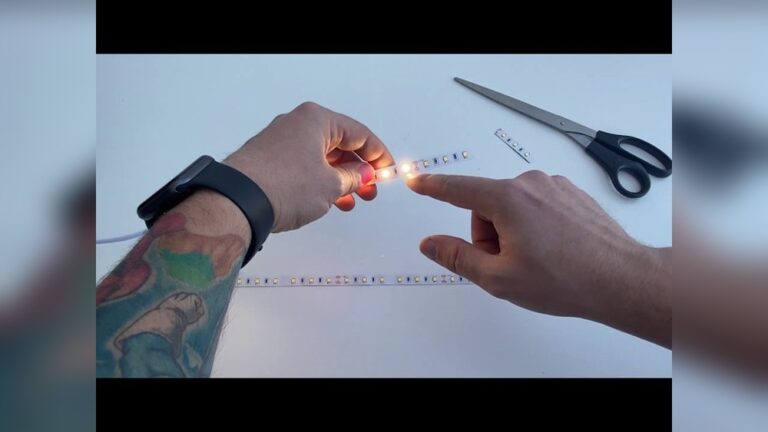
Check your LED lights before placing them. Plug the lights into a power source. Watch for any bulbs that do not light up. Confirm the strip works along its full length. Testing early saves time and effort later. Fix or replace any faulty parts before installation.
Attaching The Led Strips
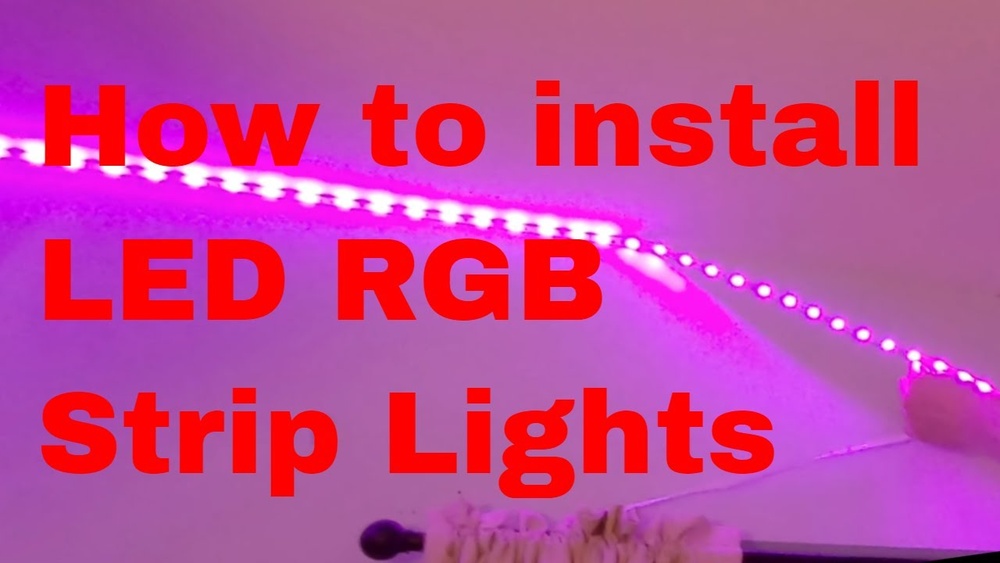
Clean the surface where you will stick the LED strips. Peel off the backing tape carefully. Press the strip firmly against the surface. Avoid touching the adhesive side too much. Follow the planned layout to keep strips straight. Use corner connectors if the strip needs to turn.
Securing Connections
Connect the LED strips to the power supply or controller. Make sure the connectors fit tightly. Use electrical tape or clips to hold connections in place. Loose connections can cause flickering or failure. Double-check polarity to prevent damage to the lights.
Managing Excess Cables
Gather extra cables neatly to avoid clutter. Use cable ties or clips to bundle wires together. Hide cables behind furniture or along edges. Here’s the thing — avoid sharp bends or pinching cables during setup. Proper cable management improves safety and appearance.
Tips For A Professional Finish
Getting a professional finish with LED lights makes your space look neat and stylish. Small details matter. They improve the overall effect and show your care in the work. Follow these tips to avoid common errors and keep your setup clean and easy to use.
Avoiding Common Mistakes
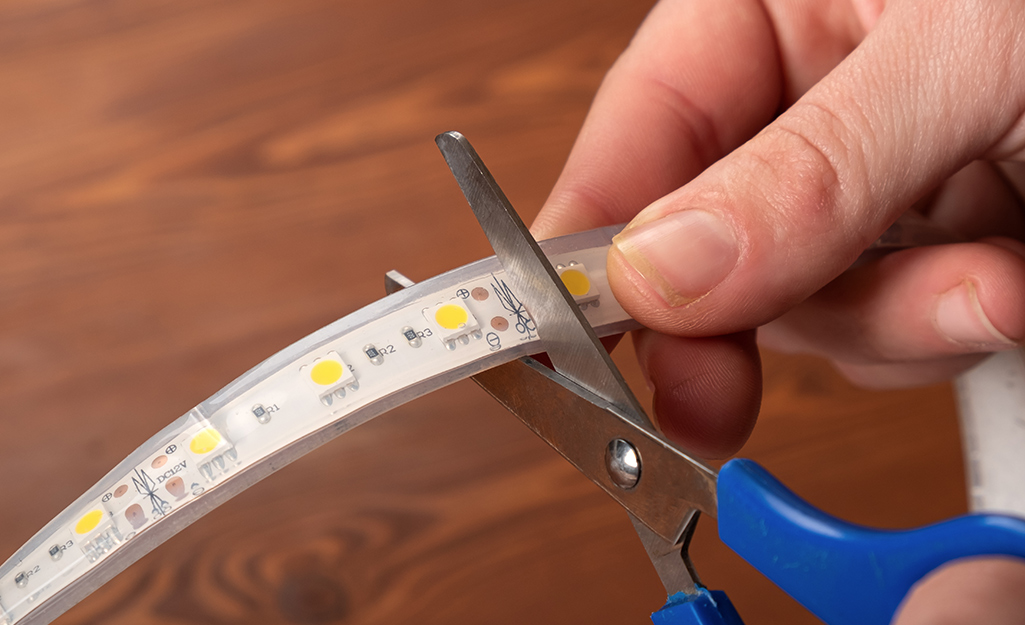
Measure twice before cutting the LED strips. Wrong cuts can ruin the lights. Clean the surface well to help the adhesive stick. Don’t pull the strip too hard. This can break the circuit. Test the lights before fixing them in place. Check the power source matches the LED voltage. Avoid overloading the circuit to prevent damage.
Hiding Wires Effectively
Use cable clips to keep wires close to walls. Paint wires the same color as the wall for less visibility. Run wires behind furniture or inside wall grooves. Use wire covers or conduits for a clean look. Avoid tangled or loose wires to reduce hazards. Plan the wire path before installation for smoother work.
Using Controllers And Dimmers
Choose controllers that match your LED lights. Place controllers where you can easily reach them. Use dimmers to adjust the brightness for different moods. Test the dimmer with your lights to avoid flickering. Secure all connections to prevent loose contacts. Use remote controls for more convenience and flexibility.

Maintaining Your Led Lights
Maintaining your LED lights helps them last longer and work better. Regular care keeps the colors bright and the lights shining strong. Small efforts make a big difference in performance and safety.
Cleaning And Care
Dust and dirt can dull your LED lights. Use a soft cloth to wipe them gently. Avoid water directly on the lights to prevent damage. Turn off the lights before cleaning. Check the wires and plugs for any signs of wear. Keep the area around the lights clean and dry.
Troubleshooting Common Issues
Sometimes LED lights flicker or don’t turn on. Check if the power source is working properly. Ensure all connections are tight and secure. Replace dead batteries if your lights use them. Reset your LED controller if the lights behave strangely. Look for damaged wires or loose parts that may cause problems.
Replacing Damaged Sections
If a part of your LED strip breaks, replace only the damaged piece. Cut the strip at the marked lines for a clean break. Use connectors to attach new sections safely. Match the voltage and type of your original LEDs. Test the new section before fixing it in place. This saves money and keeps your setup tidy.
Frequently Asked Questions
How Do I Prepare The Surface For Led Lights?
Clean the surface with alcohol and a dry cloth. Ensure it’s smooth and dry. This helps the LED tape stick properly and last longer.
What Tools Are Needed To Install Led Lights?
You need scissors, a measuring tape, connectors, and a power supply. Optional tools include a screwdriver and wire stripper for complex setups.
Can I Cut Led Strip Lights Without Damage?
Yes, cut only at marked lines on the strip. Cutting elsewhere may damage the circuit and stop the lights from working.
How Do I Connect Led Lights To Power Safely?
Use the correct power adapter matching your LED voltage. Connect positive and negative terminals carefully to avoid short circuits or damage.
Conclusion
Putting on LED lights can brighten any space quickly and easily. Start by planning your layout and gathering all materials. Clean the surface well for strong adhesion. Peel the backing and press the lights firmly in place. Truth is, connect the power source safely, following instructions step by step.
Adjust the lights to fit your style and needs. Enjoy the glow and the new atmosphere it creates. Small effort, big impact. LED lights bring warmth and charm to your home or workspace. Try it today and see the difference yourself.
Related: How Much Led Lights Cost: Ultimate Guide to Pricing & Savings
Related: How Often Should You Do Led Light Therapy at Home: Ultimate Guide
Related: Led Lights Vs Bulbs: Ultimate Energy-Saving Showdown

Alex Navarro
Hi, I'm leds.to, the founder of the world's #1 LED lighting review site. At leds.to, we strive to provide you with the most comprehensive and reliable reviews on LED lighting products. Whether you're looking for car LEDs, super bright LEDs, or even grow light LEDs, you'll find all the information you need right here on our site. With years of experience in the industry, I'll guide you towards making the best purchasing decisions for your lighting needs. Trust me to shed light on the world of LEDs and help you find the perfect lighting solutions.