Where Do Led Lights Go: Ultimate Guide to Placement & Uses
Affiliate links — we may earn a commission
Are you wondering where LED lights go and how they can transform your space? Whether you want to brighten up your home, office, or outdoor area, knowing the right places to install LED lights can make all the difference.
You’ll discover practical spots to place LED lights that not only save energy but also enhance comfort and style. Keep reading to find out how to use LED lights in ways that suit your needs perfectly.
Types Of Led Lights
LED lights come in many shapes and sizes. Each type fits different spaces and uses. Knowing the types helps you pick the right one for your needs.
They save energy and last longer than traditional lights. You can find LED lights for homes, offices, and outdoor areas.
Strip Lights
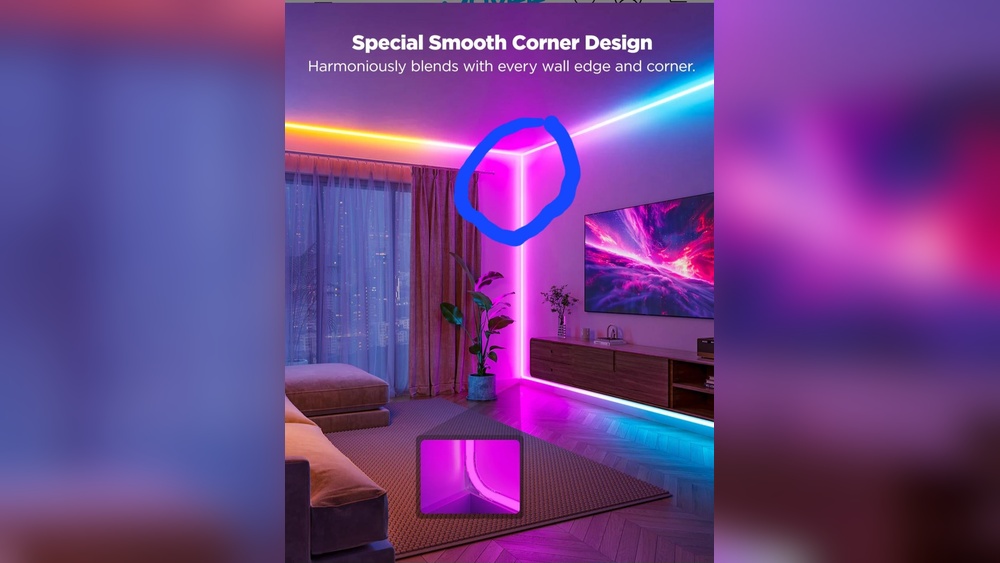
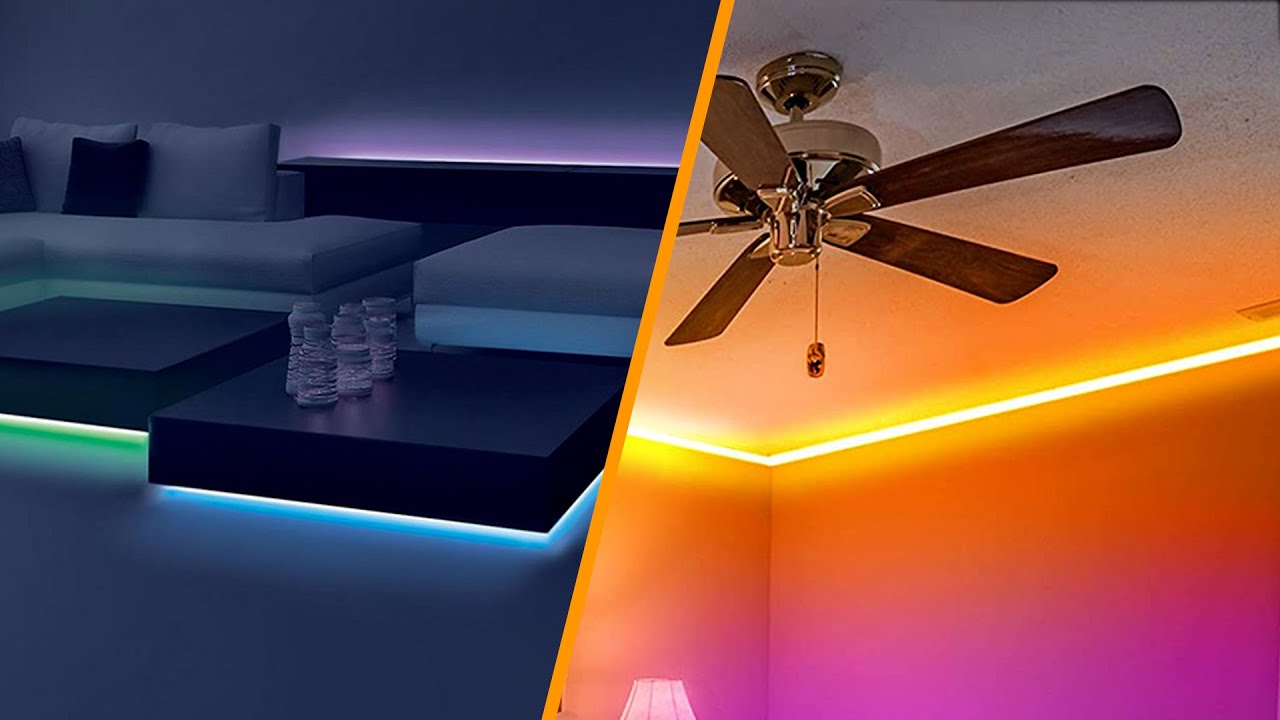
Strip lights are long and flexible. Truth is, they stick to surfaces like walls, shelves, or under cabinets. They create soft, even light. Perfect for decoration or mood lighting. They come in many colors and lengths.
Bulbs
LED bulbs replace regular bulbs in lamps and fixtures. They fit standard sockets and provide bright, clear light. Use them in living rooms, bedrooms, or kitchens. They use less electricity and last years.
Panels
LED panels are flat and thin. They give wide, even light across a room. Ideal for offices, schools, and large spaces. Panels save space and reduce glare. Easy to install in ceilings or walls.
Spotlights
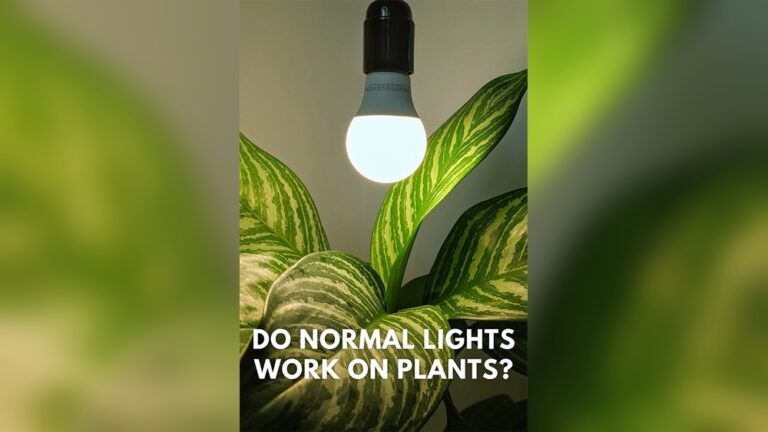
Spotlights focus light on a small area. Use them to highlight artwork or plants. Great for accent lighting indoors or outdoors. They come adjustable to direct light where needed. Bright and energy-saving for focused tasks.
Indoor Placement Ideas
LED lights fit well in many indoor spots. They offer brightness and style. You can place them in rooms for different effects. Each room needs a different kind of light. This section shows ideas to place LED lights inside your home.
Living Room Ambience
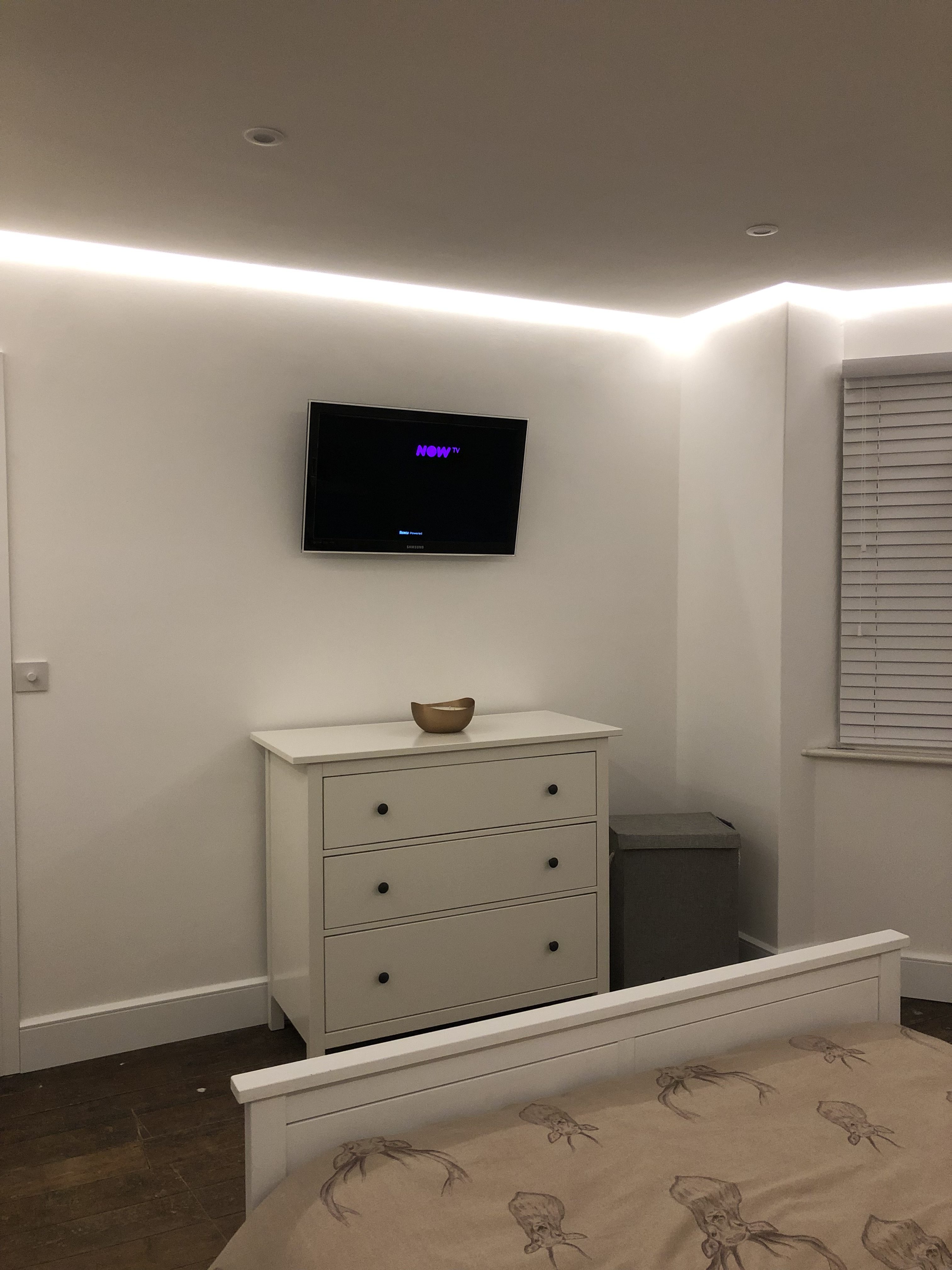
LED strips under shelves create soft, warm light. Use dimmable LEDs to change the mood. Place lights behind the TV for less eye strain. A floor lamp with LED bulbs brightens corners. This adds depth and comfort to the space.
Kitchen Task Lighting
LED lights under cabinets help with cooking tasks. Bright, white light shows colors clearly. Use spotlights over the stove and sink. These lights make food prep safer and easier. LEDs here keep energy use low while shining bright.
Bedroom Mood Lighting
Soft LED lights create a calm, relaxing space. Place lights behind the headboard or under the bed. Use warm colors to help you feel cozy. Battery-powered LED lamps work well for reading. This lighting helps you unwind before sleep.
Bathroom Brightness
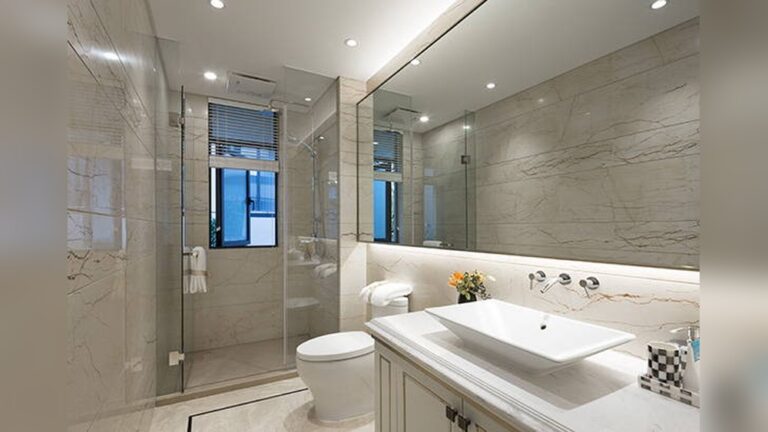
LED lights around the mirror improve visibility. Bright, white LEDs help with grooming tasks. Use waterproof LED strips near the shower or tub. These lights add safety and style. Bright lighting keeps the bathroom fresh and clean.
Outdoor Placement Ideas
LED lights offer many options for outdoor use. They brighten spaces and make them safer. You can place them in different spots to fit your needs. Here are some popular ideas for outdoor LED light placement.
Garden And Pathway Lighting
LED lights work well in gardens and along pathways. They highlight plants and flowers at night. Pathway lights guide people safely. Soft LED glows create a peaceful atmosphere outside.
Security Lighting
Bright LED lights improve home security. Place them near doors and windows. Motion-activated LEDs scare off intruders. They also help you see clearly in dark areas.
Deck And Patio Illumination
LED lights make decks and patios more inviting. Use string lights or spotlights for a warm look. Proper lighting helps you enjoy evenings outdoors. It also sets a cozy mood for guests.
Facade And Architectural Highlights
LED lights can show off your home’s design. Shine lights on walls and columns. This creates eye-catching effects at night. Use colors or white LEDs for different moods.
Specialty Uses
LED lights serve many special purposes beyond general lighting. They fit perfectly in spots needing focused, stylish, or efficient light. Their flexibility and low power use make them ideal for unique places.
Accent And Decorative Lighting
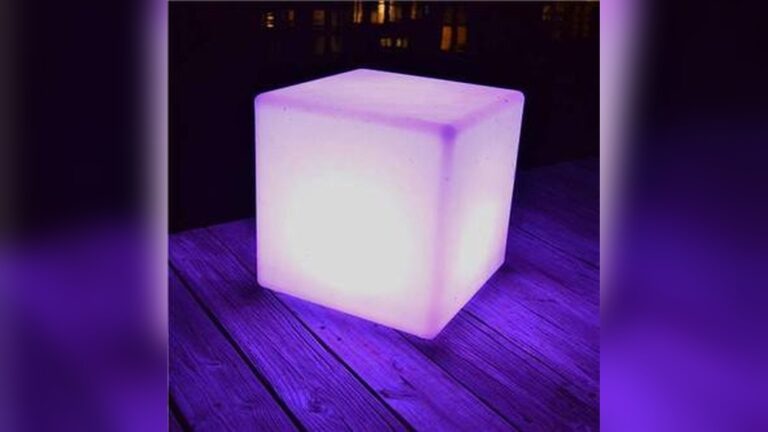
LEDs add charm and focus to spaces. They highlight art, plants, or architectural features. Color-changing LEDs create moods and bring rooms to life. Small LEDs fit tight spaces for subtle effects. Their low heat keeps decorations safe.
Under Cabinet Lighting
Under cabinet LEDs brighten kitchen counters and workspaces. They give clear, direct light for cooking and reading recipes. These lights reduce shadows and improve visibility. LED strips are easy to install and energy-saving. Their long life cuts down maintenance.
Display And Retail Lighting
Stores use LEDs to make products stand out. Bright and focused LEDs draw attention to displays. They show true colors, making items look better. LEDs help create inviting shopping spaces. Their durability handles long store hours well.
Automotive Led Uses
Cars use LEDs for headlights, brake lights, and signals. From personal testing, lEDs turn on fast and last long. They improve safety with brighter, clearer light. Interior car lights also use LEDs for style and efficiency. LED strips add custom looks to vehicles.
Installation Tips
Installing LED lights is a simple task with the right approach. Knowing key tips helps avoid common problems. Focus on power, safety, controls, and neat wiring. These points ensure your lights work well and last long.
Power Source Considerations
Choose a power source close to the LED lights. This reduces voltage drop and saves energy. Use power supplies that match LED voltage and wattage. Avoid overloading circuits to prevent damage and hazards.
Check if your LEDs need direct current (DC) or alternating current (AC). Many LEDs use DC, so you may need a driver. Always follow the manufacturer’s instructions for power setup.
Waterproofing And Safety
Place LED lights in dry areas or use waterproof versions outdoors. Protect connections with waterproof covers or sealants. This stops water from causing short circuits or damage.
Keep wires away from sharp edges and heat sources. Use insulated cables and secure mounts for safety. Avoid placing lights where they can cause tripping or fire risks.
Dimming And Control Options
Choose dimmers compatible with your LED lights. Not all dimmers work with LEDs, which can cause flicker or damage. Use smart controllers for easy brightness and color changes.
Remote controls and apps add convenience. Plan your installation to allow future upgrades in control systems. Proper control extends LED life and improves user experience.
Cable Management
Organize cables neatly to avoid tangles and damage. In my experience, use cable clips, ties, or channels for a clean look. Hide wires behind walls or furniture when possible.
Leave some slack for adjustments or repairs. Proper cable management improves safety and makes maintenance easier. It also enhances the overall appearance of your installation.

Energy Efficiency Benefits
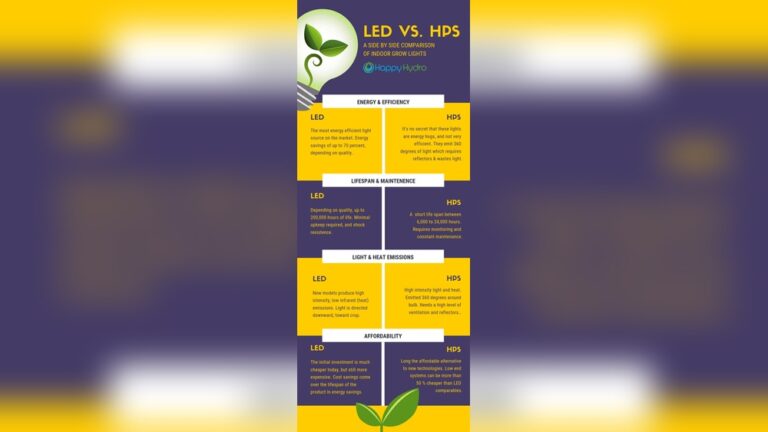
LED lights offer many energy efficiency benefits. They use much less electricity than traditional bulbs. This helps reduce overall power consumption. To be fair, using LED lights supports saving energy and lowering bills. Their efficiency makes them ideal for many places.
These lights also produce less heat. This means less energy waste during use. The efficient design helps homes and businesses cut energy costs. Here’s the thing — lED technology is a smart choice for saving resources.
Cost Savings
LED lights cost less to run than regular bulbs. They use up to 80% less electricity. This leads to lower electricity bills every month. Spending less on energy helps save money over time. Businesses and homeowners benefit from these savings.
Long Lifespan
LED bulbs last much longer than other lights. They can work for 25,000 to 50,000 hours. This means fewer replacements and less hassle. Longer life reduces the cost and effort of buying new bulbs. It also lowers waste from discarded bulbs.
Environmental Impact
LED lights reduce carbon footprint by using less energy. Less power means fewer greenhouse gas emissions. They also contain no harmful chemicals like mercury. This makes them safer to dispose of and recycle. Using LED lights helps protect the environment.
Frequently Asked Questions
Where Are Led Lights Commonly Installed In Homes?
LED lights are commonly installed in kitchens, living rooms, and bedrooms. They fit well in ceiling fixtures, under cabinets, and accent lighting. Their energy efficiency and long life make them ideal for both functional and decorative purposes throughout the home.
Can Led Lights Be Used Outdoors Safely?
Yes, LED lights designed for outdoor use are weather-resistant and durable. They’re perfect for garden lighting, pathways, and porch fixtures. Always check for waterproof ratings to ensure safety and longevity in outdoor environments.
What Types Of Fixtures Work Best With Led Lights?
LED lights work well with recessed lights, track lighting, and pendant fixtures. They also fit into standard sockets for lamps and ceiling fans. Choosing compatible fixtures ensures optimal brightness and energy efficiency.
How Do Led Lights Fit Into Smart Home Systems?
LED lights integrate easily with smart home systems using Wi-Fi or Bluetooth. They can be controlled remotely via apps or voice assistants. This allows for customizable lighting scenes and energy savings tailored to your needs.
Conclusion
LED lights fit many places in homes and businesses. People use them for bright rooms, highlight artwork, or light paths outside. Here’s the thing — they save energy and last a long time. You can find LED lights in ceilings, lamps, cars, and even gardens.
Choosing the right spot helps improve your space’s look and feel. Small changes with LED lights can make a big difference. Explore different options and see where LED lights work best for you. Bright, clear, and simple lighting is easy with LEDs.

Alex Navarro
Hi, I'm leds.to, the founder of the world's #1 LED lighting review site. At leds.to, we strive to provide you with the most comprehensive and reliable reviews on LED lighting products. Whether you're looking for car LEDs, super bright LEDs, or even grow light LEDs, you'll find all the information you need right here on our site. With years of experience in the industry, I'll guide you towards making the best purchasing decisions for your lighting needs. Trust me to shed light on the world of LEDs and help you find the perfect lighting solutions.