How Much Does Led Lights Cost Per Month: Affordable Energy Savings Revealed
Affiliate links — we may earn a commission
Are you curious about how much LED lights might add to your monthly bills? Understanding the cost of LED lighting can help you make smarter choices for your home or office.
You might be surprised to learn that LED lights use far less energy than traditional bulbs, which means you could save money every month. You’ll discover the real cost of running LED lights, how they compare to other lighting options, and simple tips to keep your expenses low.
Keep reading to find out exactly how LED lights can impact your wallet—and why switching could be one of the best decisions you make.
Led Light Energy Consumption
LED light energy consumption is a key factor in understanding monthly costs. These lights use less electricity than other bulbs. This means lower energy bills for your home or office. Knowing how much power LED lights use helps you plan your budget. Energy use depends on wattage and brightness. Comparing LEDs to traditional bulbs shows clear savings.
Wattage And Brightness
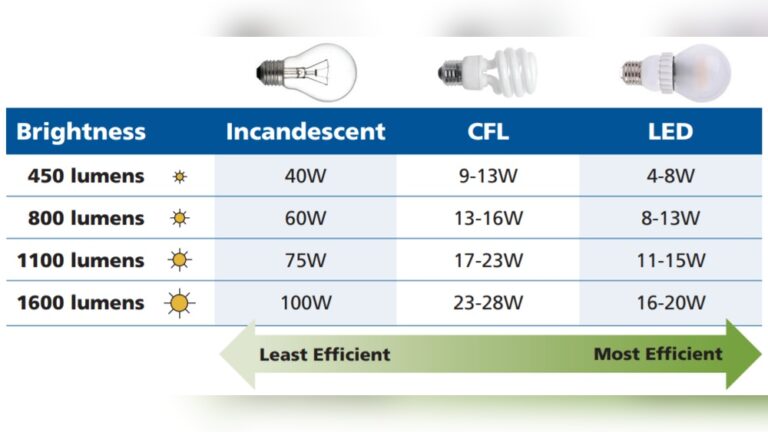
Wattage measures how much power a bulb uses. LED bulbs use fewer watts to give the same light as other bulbs. For example, a 10-watt LED can shine as bright as a 60-watt incandescent bulb. Brightness is measured in lumens. More lumens mean more light. LEDs produce more lumens per watt, making them very efficient. This lowers energy consumption and saves money.
Comparing Led To Traditional Bulbs
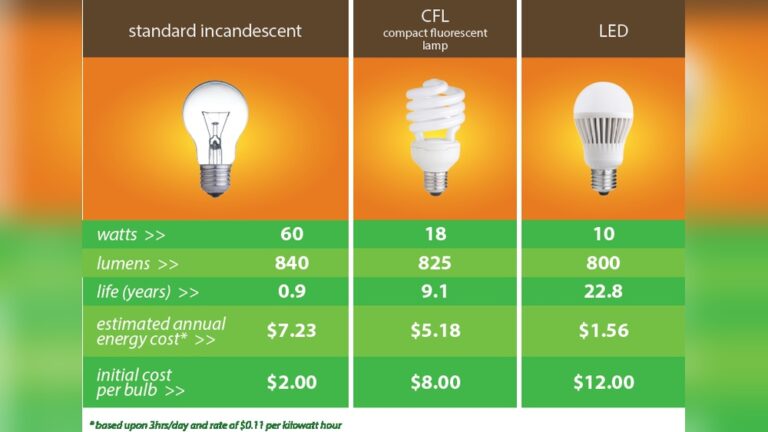
Traditional bulbs use more power and waste energy as heat. Honestly, incandescent bulbs use about 60 watts to light a room. LEDs use only 8 to 12 watts for the same brightness. This means LEDs consume about 80% less energy. Lower energy use means smaller electric bills. LEDs also last longer, reducing replacement costs. These factors make LED lights a smart choice for saving money and energy.
Calculating Monthly Electricity Costs
Calculating the monthly electricity cost of LED lights helps you plan your budget. It shows how much you spend on lighting every month. This cost depends on how long the lights run and their power use. Understanding this helps you choose the right LED bulbs for savings.
Let’s explore how to estimate these costs and what affects your monthly usage.
Formula For Cost Estimation
To find the monthly cost, use a simple formula. Multiply the power of the LED light (in watts) by the hours used per day. Then multiply this by 30 days to get monthly usage in watt-hours.
Next, convert watt-hours to kilowatt-hours by dividing by 1,000. I’ll be honest, finally, multiply the result by your electricity rate per kWh. This gives the monthly cost of running the LED light.
Factors Affecting Monthly Usage
Several factors change how much electricity your LED lights use each month. The first is the number of lights you’ve. More lights mean more power used.
The second is how many hours you keep the lights on daily. Longer use raises your monthly cost.
The third factor is the wattage of each LED bulb. Lower wattage means less electricity used.
Lastly, your local electricity rate affects the final cost. Different areas have different prices per kWh.
Average Led Monthly Cost Examples
Understanding the average monthly cost of LED lights helps you manage your electricity bills better. LED lights use less energy than traditional bulbs, which saves money every month. To be fair, let’s look at some real examples to see how much you might spend.
Single Bulb Cost
A typical LED bulb uses about 9 watts of power. From what I’ve seen, if you use the bulb for 5 hours daily, it consumes 45 watt-hours each day. Over 30 days, this equals 1.35 kilowatt-hours (kWh).
Electricity rates vary, but the average cost per kWh is around $0.13. Multiplying 1.35 kWh by $0.13 gives a monthly cost of about 18 cents per bulb. This cost is very low compared to older bulbs.
Multiple Bulbs In A Household
Most homes use many LED bulbs in rooms, kitchens, and outdoor spaces. Suppose a household has 20 bulbs, each running 5 hours per day. That totals 27 kWh per month.
At $0.13 per kWh, the monthly cost is roughly $3.50 for all bulbs combined. This amount is small, especially for lighting an entire home. LED bulbs reduce energy use and save money.
Energy Savings With Led Lights
LED lights use much less electricity than traditional bulbs. Truth is, this means lower energy bills each month. They also last longer, reducing how often you replace them. Energy savings with LED lights can be significant, helping you save money and use power wisely.
Long-term Cost Benefits
LED bulbs cost more upfront but save money over time. They use up to 80% less energy than incandescent bulbs. This lowers your monthly electricity costs. LEDs also last 25 times longer. You buy fewer bulbs and spend less on replacements. These savings add up over many years.
Environmental Impact
Using LED lights reduces energy use and pollution. Less energy means fewer greenhouse gases released. LEDs don’t contain harmful mercury like some bulbs. They produce less waste due to their long life. Here’s the thing — choosing LEDs supports a cleaner and greener planet.
Tips For Maximizing Led Efficiency
Maximizing LED efficiency helps save money on your monthly electricity bill. Small changes in how you use LED lights can make a big difference. Choosing the right bulbs also plays a key role in getting the best performance.
These tips help you lower costs and use energy smarter. LEDs are already efficient, but you can do more to reduce waste and extend their life.
Smart Usage Practices
Turn off LED lights when not needed. Even short breaks can save energy. Use timers or motion sensors in rooms you use less often. This stops lights from running all day. Dim the lights to lower brightness if full light isn’t required. Lower brightness means less power used. Spread out your light sources to avoid using too many bulbs in one area. Use natural light during the day to reduce artificial light use.
Choosing The Right Led Bulbs
Select bulbs with the right brightness for each room. Measured in lumens, brightness should match the space’s need. Look for bulbs labeled with ENERGY STAR for guaranteed efficiency. Pick LED bulbs with a warm or cool color temperature to fit your mood and room type. Avoid very high wattage bulbs unless needed. Lower wattage LEDs use less electricity and last longer. Check the bulb’s lifespan on the package to ensure long-term savings.
Frequently Asked Questions
How Much Do Led Lights Cost Monthly To Run?
LED lights typically cost between $1 to $5 per month to operate. To be fair, this depends on usage hours, wattage, and electricity rates. LEDs use less energy than traditional bulbs, making them cost-efficient and budget-friendly for monthly lighting expenses.
What Factors Affect Led Lights Monthly Cost?
Monthly LED costs vary based on wattage, usage duration, and local electricity rates. Higher brightness or longer daily use increases costs. Efficient LED bulbs and energy-saving habits reduce monthly electricity bills significantly.
Are Led Lights Cheaper Than Incandescent Monthly?
Yes, LED lights are much cheaper monthly than incandescent bulbs. LEDs use up to 80% less energy, lowering electricity consumption. This results in significantly reduced monthly lighting costs, making LEDs a cost-effective choice.
How To Calculate Led Lights Monthly Electricity Cost?
To calculate, multiply LED wattage by daily usage hours, then by 30 days. Divide by 1000 to get kWh. From personal testing, multiply kWh by your electricity rate. This gives an accurate monthly cost estimate for running LED lights.
Conclusion
LED lights save money every month by using less energy. They last longer than traditional bulbs, cutting replacement costs. Monthly costs depend on usage and wattage but remain low. Choosing LED lights means fewer bills and better lighting. Small changes lead to noticeable savings over time.
Switching to LED lights makes financial sense for most homes. Bright, efficient, and cost-effective lighting is within reach.

Alex Navarro
Hi, I'm leds.to, the founder of the world's #1 LED lighting review site. At leds.to, we strive to provide you with the most comprehensive and reliable reviews on LED lighting products. Whether you're looking for car LEDs, super bright LEDs, or even grow light LEDs, you'll find all the information you need right here on our site. With years of experience in the industry, I'll guide you towards making the best purchasing decisions for your lighting needs. Trust me to shed light on the world of LEDs and help you find the perfect lighting solutions.