When Did Led Lights Become Popular: The Bright Rise Uncovered
Affiliate links — we may earn a commission
Have you ever wondered when LED lights became popular and why they’re everywhere today? If you’ve switched on a modern lamp or noticed bright, energy-saving bulbs in stores, you might be curious about how LED lighting took over.
Understanding this story can help you appreciate the technology behind your home’s glow and even guide your next lighting choice. Keep reading, and you’ll discover the surprising moments that made LED lights a game-changer for millions of people like you.
Early Development Of Led Technology
LED technology started as a small idea and grew over many years. At first, it was just a way to create light using electricity in a new way. The early development of LED lights laid the foundation for the bright, energy-saving bulbs we know today.
Scientists and engineers worked hard to improve LED lights. They focused on making the lights brighter and more useful. This early work helped LED lights move from simple experiments to practical tools.
Origins And Invention
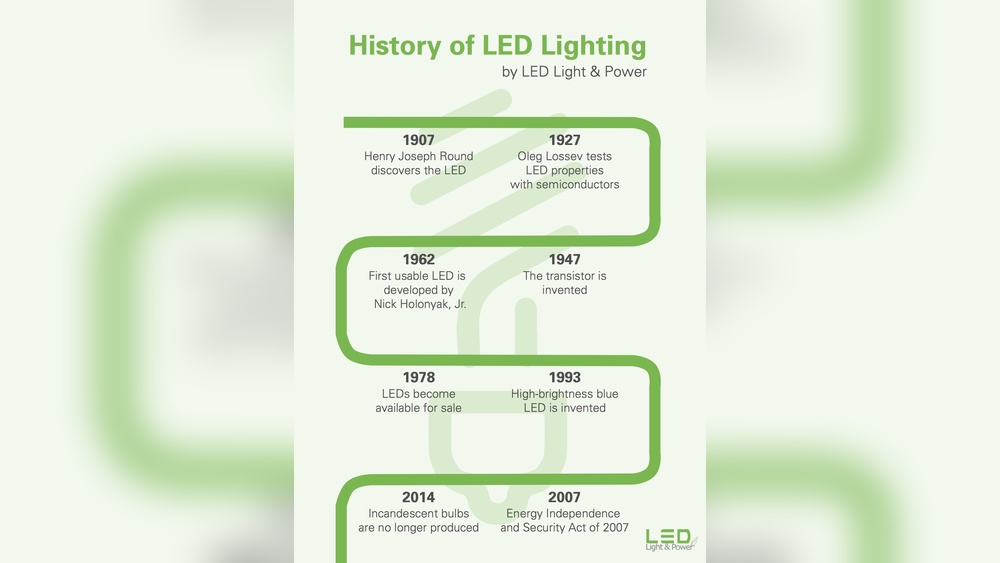
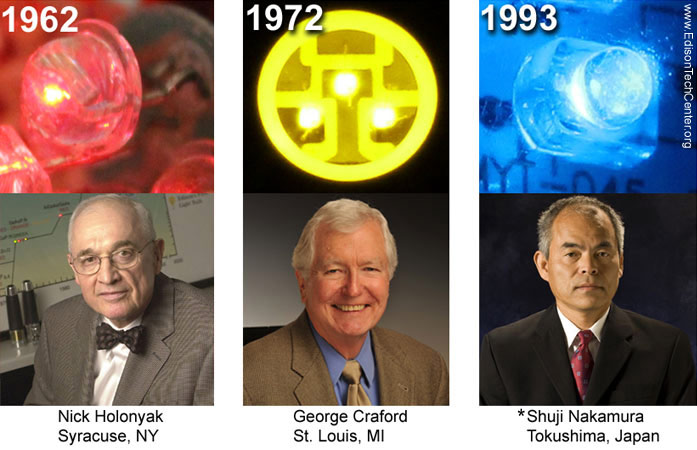
The first LED was invented in the early 1960s. It was a tiny red light that glowed when electric current passed through it. This invention came from research into semiconductor materials. The LED didn’t produce bright light at first. Scientists saw the potential but needed more work.
Invention of the LED was a step forward in lighting. It used less energy than traditional bulbs. The small size made it useful for many devices. This early stage showed LED’s promise beyond just a light source.
Initial Applications
At first, LED lights were used in small electronic devices. They appeared in calculators and digital watches. The lights showed numbers and simple signals. This helped people read information clearly in low power devices.
These early uses were limited to indicator lights. Bright, colorful LEDs for general lighting did not exist yet. Still, these small lights changed how electronic displays worked. They opened doors to many new uses for LED technology.
Advancements In Led Efficiency
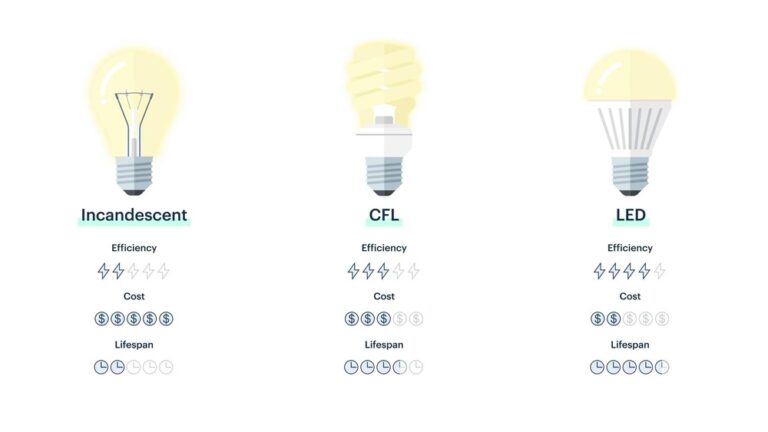
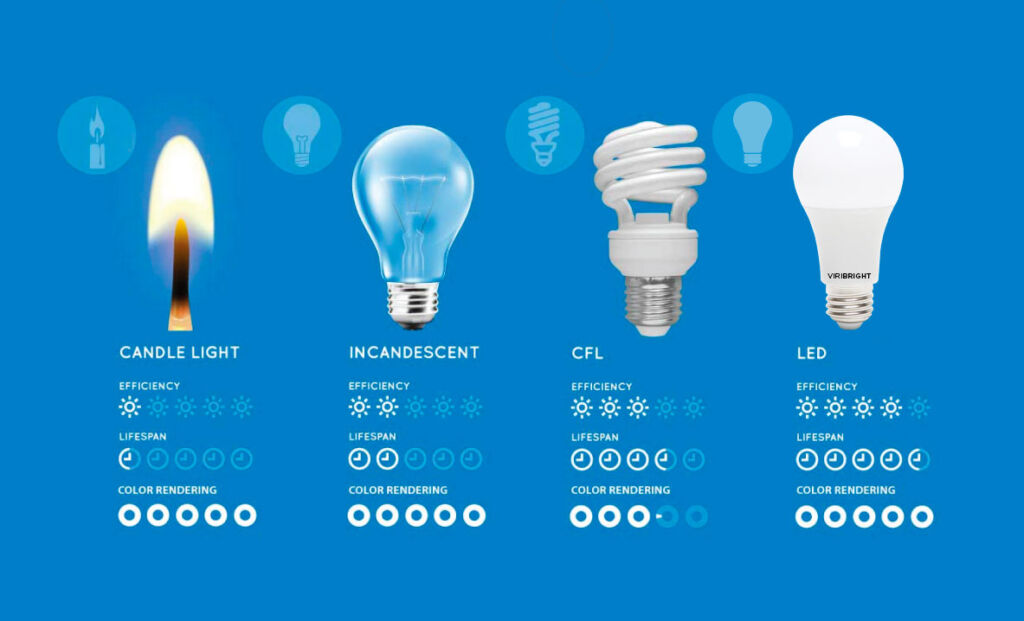
LED lights became popular due to many improvements in their efficiency. These changes made LEDs brighter and used less power. Over time, LEDs became better at producing white light. This helped them replace old light bulbs in homes and businesses.
Advancements in LED technology made these lights more affordable. They also lasted much longer than traditional bulbs. These factors helped LEDs become the top choice for lighting worldwide.
Breakthroughs In Blue And White Leds
The invention of blue LEDs was a major step. It allowed the creation of white LED lights. White light comes from mixing red, green, and blue light. Blue LEDs made it possible to get bright, clear white light.
This breakthrough happened in the 1990s. It earned the inventors a Nobel Prize. Blue and white LEDs changed the lighting market forever. They enabled LEDs to be used in many new ways.
Impact On Energy Consumption
LEDs use much less energy than old bulbs. They convert more electricity into light, wasting less as heat. This saves money on electric bills and reduces pollution.
Buildings and cities switched to LED lighting to cut energy use. This change helps fight climate change by lowering greenhouse gases. Energy-efficient LEDs also last longer, meaning fewer replacements.
Commercial Adoption And Market Growth
LED lights gained attention for their energy efficiency and long life. Businesses saw a chance to cut costs and reduce energy use. This led to a rise in commercial adoption and market growth for LED technology. Over time, LEDs moved from niche products to common lighting solutions in many sectors. The market grew as more industries found practical uses for LEDs.
Leds In Consumer Electronics
LEDs became popular in consumer electronics during the early 2000s. Devices like TVs, smartphones, and cameras started using LED displays and indicators. LEDs offered brighter screens with lower power consumption. This helped improve battery life in portable devices. The clear and sharp light quality also enhanced user experience. These benefits pushed manufacturers to include LEDs in many products. LED technology became a standard part of electronics design.
Expansion In Residential Lighting
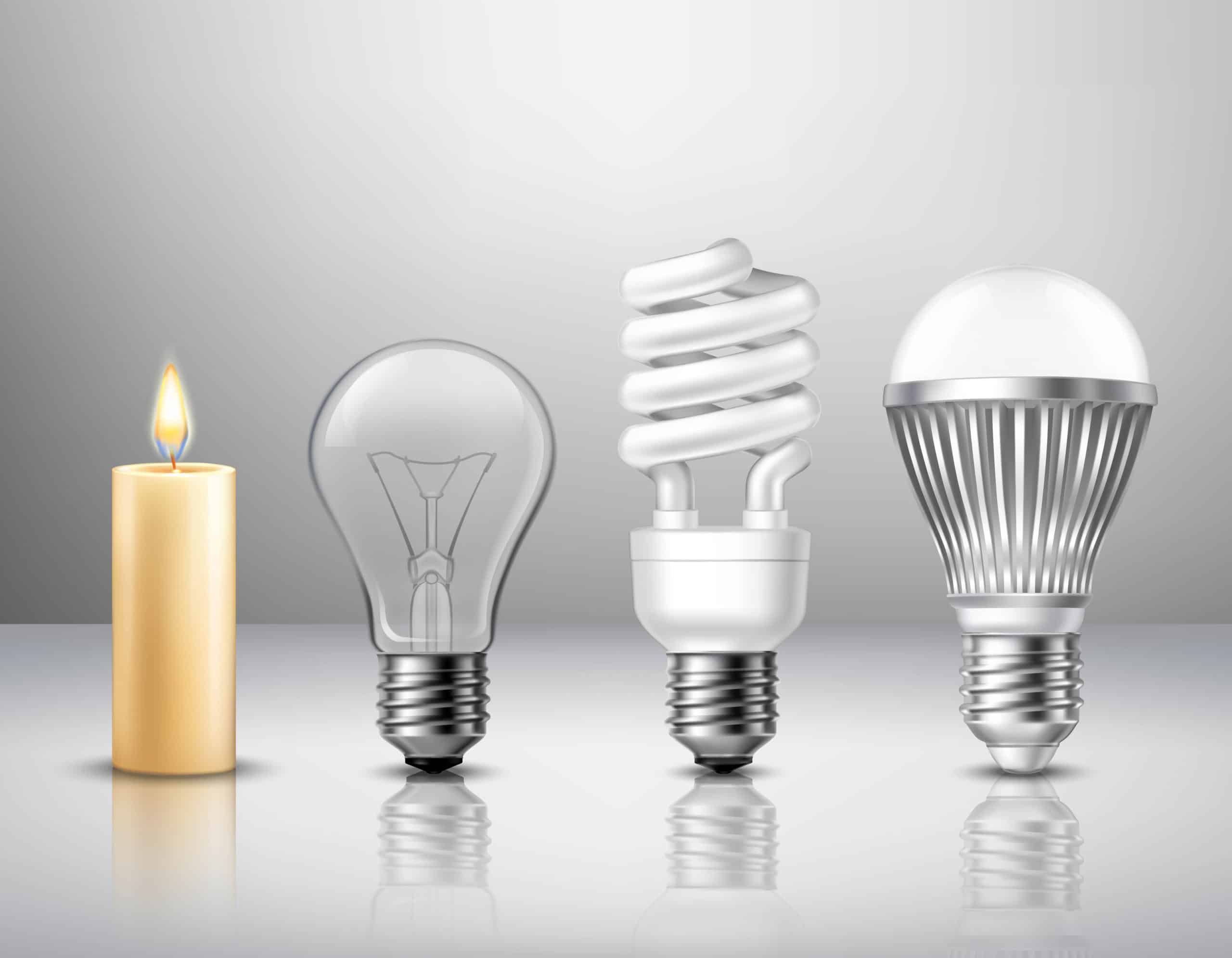
Residential lighting saw major growth in LED use after 2010. Homeowners wanted energy-saving and long-lasting bulbs. LED bulbs replaced older incandescent and fluorescent options. The price of LED bulbs dropped, making them affordable. LED lights allowed for new styles and designs in homes. Their ability to dim and change color attracted many buyers. This expansion made LEDs common in kitchens, living rooms, and outdoors.
Government Policies And Incentives
Government policies and incentives played a key role in making LED lights popular. These rules and rewards encouraged people and businesses to choose LED lighting. The focus was on saving energy and protecting the environment. This helped LEDs grow from a niche product to a common choice worldwide.
Energy Regulations
Governments set strict rules to reduce energy use in lighting. Many countries banned old, inefficient bulbs. This pushed consumers to switch to LED lights. The rules also set energy-saving targets for homes and offices. LED lights met these targets easily. This made LEDs the preferred option for many.
Subsidies And Rebates
Many governments offered money back to buyers of LED lights. These rebates lowered the cost of buying LEDs. Some programs gave cash for replacing old bulbs. Businesses and homeowners saved money by using LEDs. These financial incentives made LEDs more affordable. This helped boost LED sales and use worldwide.
Leds In Industrial And Public Spaces
LED lights have become common in many industrial and public spaces. These areas need bright, reliable, and energy-saving lighting. LEDs fit these needs perfectly. They last longer and use less power than old lighting types. This change started in the early 2000s and grew quickly. Public areas and factories began to replace old lights with LEDs for better lighting and lower costs.
Street Lighting Transformations
Street lights changed a lot with LED technology. Cities replaced old bulbs with LED lamps. These lamps use less electricity and last longer. LED street lights give clear, bright light. This makes roads safer for drivers and pedestrians. Many places saw big cuts in energy bills. LED street lights also reduce light pollution. They focus light better, so less shines where it isn’t needed.
Use In Automotive And Displays
LEDs also became popular in cars and displays. Car makers use LEDs for headlights and brake lights. LEDs are bright and turn on fast. This helps drivers see better and react quicker. In displays, LEDs provide sharp and bright images. TVs, computer screens, and signs all use LED technology. Look, these displays use less energy and last longer than older ones.
Trends Driving Modern Led Popularity
LED lights have grown popular due to several modern trends. These trends focus on how people use and see lighting today. LED technology fits well with new ideas and styles. It offers more than just light. It brings convenience and beauty to homes and offices.
Many people choose LED lights for their energy savings. But the rise in smart homes and design needs pushes LED use even more. These trends make LED lighting a top choice worldwide.
Smart Lighting Integration
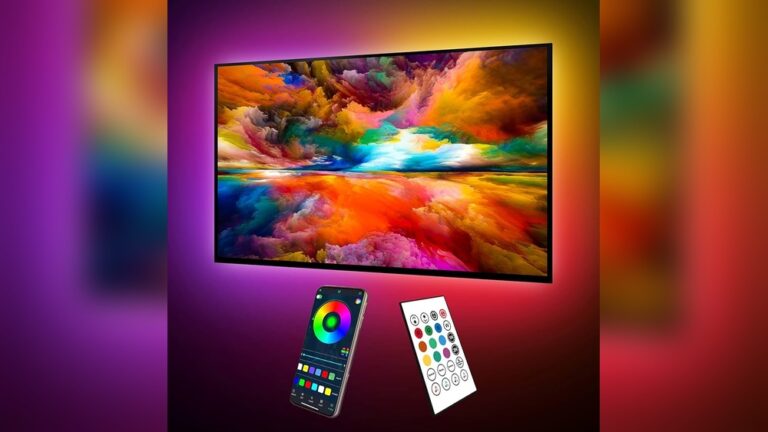
Smart lighting lets users control lights with phones or voice. LED lights work well with smart systems. They can change colors, dim, or turn on and off remotely. This makes homes safer and more comfortable.
Smart LEDs can save energy by adjusting automatically. They respond to daylight or presence in the room. This feature attracts people who want modern and efficient homes.
Design And Aesthetic Appeal
LEDs are small and flexible in design. They fit into many shapes and sizes. Designers use LEDs to create new looks in homes and public spaces.
The light quality is clean and bright. It enhances colors and details in rooms. This makes spaces feel fresh and modern. Many choose LED lighting for its style and warmth.
Future Prospects For Led Technology
The future of LED technology looks bright and full of promise. New developments aim to improve brightness, efficiency, and design. These changes will expand LED use in homes, offices, and outdoor spaces. The next few years will bring exciting progress for this lighting technology.
Innovations On The Horizon
Researchers work on making LEDs smaller and more powerful. Flexible LED panels will allow creative lighting designs on curved surfaces. Smart LEDs will connect with home devices for better control and energy saving. Scientists also explore new colors and light qualities to enhance visual comfort.
Sustainability And Environmental Impact
LEDs already save energy compared to traditional bulbs. Future LEDs will use even less power and last longer. This reduces waste and lowers carbon footprints. Recycling programs for LED parts will become more common. These efforts help protect the environment and reduce pollution from lighting.
Frequently Asked Questions
When Did Led Lights First Become Popular?
LED lights gained popularity in the early 2000s due to energy efficiency and long lifespan. Their use grew rapidly in homes and businesses.
Why Did Led Lights Become Popular Recently?
LED lights became popular recently because they save energy, reduce costs, and last longer than traditional bulbs.
How Did Led Technology Evolve Over Time?
LED technology evolved from simple indicator lights in the 1960s to bright, efficient lighting by the 2000s, improving color and brightness.
When Did Led Lights Replace Traditional Bulbs Widely?
LED lights began widely replacing traditional bulbs around 2010 as prices dropped and energy regulations favored efficient lighting.
Conclusion
LED lights gained popularity mainly in the early 2000s. People liked them for saving energy and lasting long. They soon replaced old bulbs in homes and offices. Today, LEDs brighten streets, cars, and screens worldwide. Their growth shows how technology can change daily life.
Simple, smart, and eco-friendly—that’s why LEDs stay popular.

Alex Navarro
Hi, I'm leds.to, the founder of the world's #1 LED lighting review site. At leds.to, we strive to provide you with the most comprehensive and reliable reviews on LED lighting products. Whether you're looking for car LEDs, super bright LEDs, or even grow light LEDs, you'll find all the information you need right here on our site. With years of experience in the industry, I'll guide you towards making the best purchasing decisions for your lighting needs. Trust me to shed light on the world of LEDs and help you find the perfect lighting solutions.