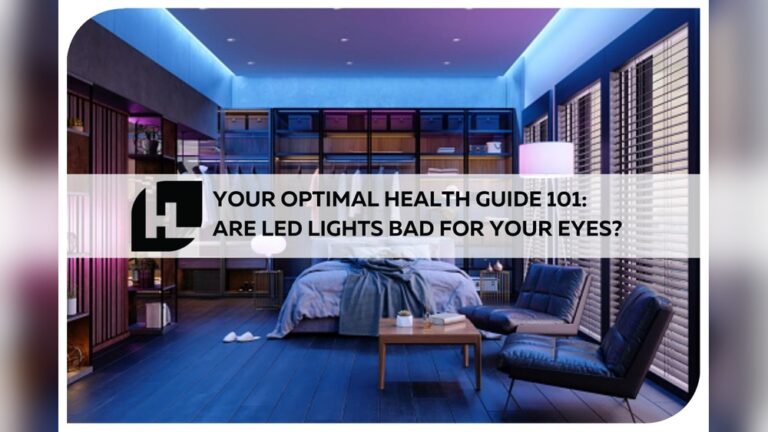
Pros And Cons of Leds: Ultimate Guide to Bright Choices
Affiliate links — we may earn a commission
Are you thinking about switching to LED lights but aren’t sure if they’re the right choice for you? LEDs have taken the lighting world by storm, promising energy savings and long life.
But like anything, they come with their own set of advantages and drawbacks. Understanding these pros and cons can help you make smart decisions for your home or business. Keep reading to discover what LED lights can really offer you—and what to watch out for before making the switch.
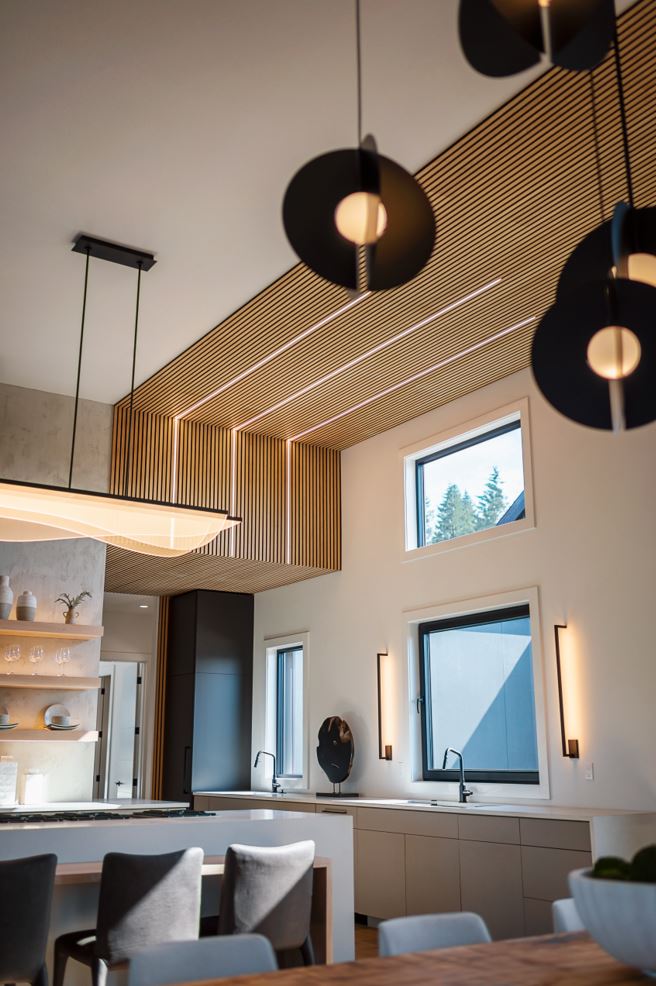
Benefits Of Led Lighting
LED lighting offers many benefits that make it a popular choice for homes and businesses. It saves money, lasts a long time, and is good for the environment. LED lights also provide more design options than traditional bulbs. These advantages make LED lighting a smart option for many uses.
Energy Efficiency
LED lights use much less electricity than old-style bulbs. They convert most energy into light, not heat. This means lower electric bills and less power waste. Energy-efficient lighting helps reduce overall energy demand.
Long Lifespan
LED bulbs last much longer than incandescent or fluorescent bulbs. They can work for tens of thousands of hours without needing replacement. This reduces the cost and effort of changing bulbs often.
Low Heat Emission
LED lights produce very little heat while working. This makes rooms cooler and safer. It also lowers the risk of burns or fire compared to traditional bulbs.
Environmental Impact
LED lighting is better for the planet. It uses less energy, which cuts greenhouse gas emissions. Also, LEDs do not contain harmful chemicals like mercury. They create less waste due to their long life.
Design Flexibility
LEDs come in many shapes and sizes. They can produce different colors and brightness levels. This allows creative lighting designs for any space or mood. LEDs fit well in small or unusual fixtures.
Drawbacks Of Led Lighting
LED lighting offers many benefits, but it also has some drawbacks. Understanding these drawbacks helps in making a wise choice for your lighting needs. Here are some of the main issues to consider with LED lights.
Initial Cost
LED bulbs cost more upfront than traditional bulbs. This higher price can deter some buyers. Yet, they last longer and save energy over time. Still, the initial investment remains a concern for many.
Light Quality Variations
Not all LED lights produce the same quality of light. Some may appear too harsh or too dim. Color temperature varies widely, affecting room mood and comfort. Choosing the right LED bulb needs care to match your needs.
Compatibility Issues
LED bulbs may not work with all fixtures or dimmers. Some older dimmer switches cause flickering or buzzing. Checking compatibility before buying is important. Otherwise, you might face extra costs for replacements.
Environmental Concerns
LED lights contain small amounts of metals like lead and arsenic. Disposal requires special handling to prevent pollution. Not all recycling centers accept LED bulbs. Improper disposal can harm the environment.
Potential Health Effects
LED lights emit blue light, which can affect sleep patterns. Prolonged exposure may cause eye strain or headaches. Using warm-colored LEDs and limiting screen time helps reduce risks. Awareness about these effects is growing among users.
Comparing Leds With Traditional Bulbs
LEDs and traditional bulbs serve the same purpose: lighting up spaces. Yet, they differ in many ways. Comparing them helps decide the best fit for your needs. From energy use to light quality, each type has strengths and weaknesses.
Energy Consumption
LEDs use much less electricity than traditional bulbs. They convert most energy into light, wasting little as heat. Traditional bulbs consume more power and lose energy as heat. This makes LEDs a better choice for saving on electricity bills.
Durability
LEDs last longer than traditional bulbs. They can work for tens of thousands of hours. Traditional bulbs burn out faster and need frequent replacement. LEDs resist shocks and vibrations better, making them more durable in tough conditions.
Cost Over Time
Traditional bulbs cost less to buy but last shorter. LEDs have higher upfront costs but save money over time. Lower energy use and fewer replacements make LEDs cheaper in the long run. The initial price can be offset by long-term savings.
Light Output
LEDs provide bright, clear light instantly. They come in various colors and temperatures. Traditional bulbs offer warm light but take time to reach full brightness. LED light quality suits many tasks and preferences better.
Application Suitability
LEDs work well indoors and outdoors. They fit many fixtures and dim easily. Traditional bulbs perform best in simple, enclosed spaces. LED flexibility suits modern homes, offices, and outdoor lighting needs.
Choosing The Right Led For You
Choosing the right LED bulb can feel tricky. Many options exist, each with different features. Picking the best one helps save energy and improve your space. Focus on what matters most to you before buying. Consider light quality, fit, smart options, cost, and brand trust.
Brightness And Color Temperature
Brightness shows how much light a bulb gives. Look at lumens, not watts, to compare bulbs. Color temperature tells if light is warm or cool. Warm light feels cozy; cool light feels bright and clear. Choose a temperature that suits your room and mood.
Fixture Compatibility
Not all LEDs fit every fixture. Check the bulb shape and size. Some bulbs work only in certain lamps or sockets. Confirm the voltage and dimmer compatibility. This avoids problems like flickering or poor fit.
Smart Features
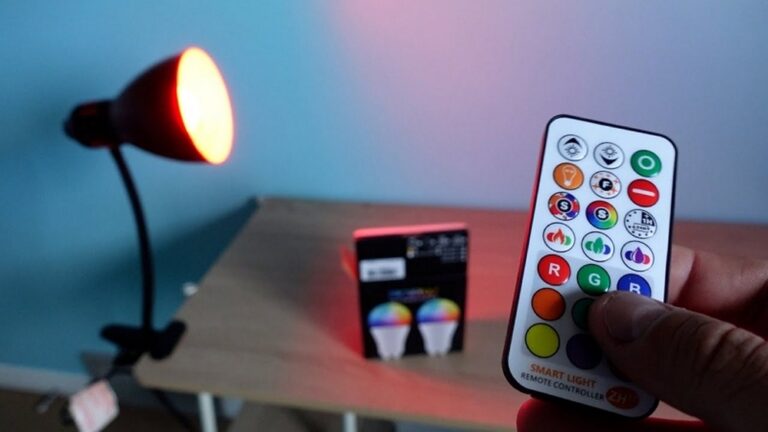
Smart LEDs offer control via apps or voice commands. They can change colors and dim easily. Decide if you want these features. They add convenience but cost more. Simple bulbs work well in most cases.
Budget Considerations
LEDs cost more upfront than old bulbs. They last longer and use less power. Calculate savings over time, not just price. Balance quality and price for your needs. Avoid very cheap bulbs; they may fail fast.
Brand And Warranty
Choose known brands for better quality and support. Good brands offer warranties covering defects. A warranty gives peace of mind. Read reviews to learn about real user experiences.
Future Trends In Led Technology
The future of LED technology looks bright and promising. New trends will shape how we use and think about LEDs. These changes will improve efficiency, design, and how LEDs fit into our daily lives.
Advancements In Efficiency
LEDs will become even more energy-efficient. Scientists work on reducing power use while increasing brightness. This means lower electricity bills and less impact on the environment. Better efficiency also means LEDs will last longer than before.
Integration With Smart Homes
LEDs will connect more with smart home systems. You can control lights using your phone or voice. This adds convenience and saves energy by adjusting lights automatically. Smart LEDs can change colors and brightness to match your mood or time of day.
Sustainability Improvements
Future LEDs will focus on eco-friendly materials. Manufacturers aim to reduce harmful chemicals and waste. Recycling LED components will become easier. This helps protect the planet and supports a greener lifestyle.
Innovative Designs
LEDs will come in new shapes and styles. Flexible and transparent LEDs will allow creative uses in homes and buildings. Thin, bendable lights can fit into tight or unusual spaces. This opens many possibilities for interior and exterior lighting.
Expanding Applications
LEDs will find use beyond regular lighting. They will appear in medical devices, agriculture, and transportation. LEDs can help plants grow faster or improve health treatments. Their versatility will make them part of many industries in the future.


Frequently Asked Questions
What Are The Main Advantages Of Led Lights?
LED lights are energy-efficient, long-lasting, and produce less heat. They save electricity and reduce replacement costs. LEDs also offer better light quality and environmental benefits compared to traditional bulbs.
Are Led Lights Cost-effective In The Long Run?
Yes, LED lights save money over time. They consume less power and have a longer lifespan. Though initially pricier, their durability and low energy use reduce overall expenses.
Do Leds Have Any Environmental Impact?
LEDs are eco-friendly as they use less energy and contain no harmful mercury. They reduce carbon footprints and waste due to longer life, making them a greener lighting choice.
Can Led Lights Affect Eye Health?
Properly designed LEDs emit less harmful blue light and flicker. Using quality LEDs with appropriate brightness can minimize eye strain and discomfort.
Conclusion
LEDs offer many benefits like energy savings and long life. They also have some drawbacks, such as higher upfront costs and light quality differences. Choosing LEDs depends on your needs and budget. Weigh the pros and cons carefully before buying.
This helps you make a smart, informed choice for your lighting. LEDs can be a good option for many situations. Think about what matters most to you. Then decide if LEDs fit your space and style.

Alex Navarro
Hi, I'm leds.to, the founder of the world's #1 LED lighting review site. At leds.to, we strive to provide you with the most comprehensive and reliable reviews on LED lighting products. Whether you're looking for car LEDs, super bright LEDs, or even grow light LEDs, you'll find all the information you need right here on our site. With years of experience in the industry, I'll guide you towards making the best purchasing decisions for your lighting needs. Trust me to shed light on the world of LEDs and help you find the perfect lighting solutions.