
Best Way to Hang Led Lights: Ultimate Guide for Perfect Setup
Affiliate links — we may earn a commission
Are you ready to transform your space with LED lights but unsure how to hang them the right way? Getting your LED lights up perfectly can change the entire mood of your room, making it cozy, stylish, and inviting.
But if they’re not hung properly, they can look messy or even stop working. You’ll discover the best way to hang LED lights so they look great, stay secure, and last longer. Keep reading, and you’ll learn simple tips that anyone can follow to brighten up your space like a pro.
Choosing The Right Led Lights
Choosing the right LED lights is important for a perfect look and long life. The right lights match your space and needs. Some lights work best indoors, others outdoors. Brightness and color make a big difference in how the lights look. Understanding these options helps you pick the best LED lights for your project.
Types Of Led Strips
LED strips come in many types. Some have small, closely placed lights for smooth light. Others have bigger LEDs spaced out. Flexible strips bend around corners easily. Rigid strips are firm and good for straight lines. Choose strips based on where you want to put them and the style you want.
Color And Brightness Options
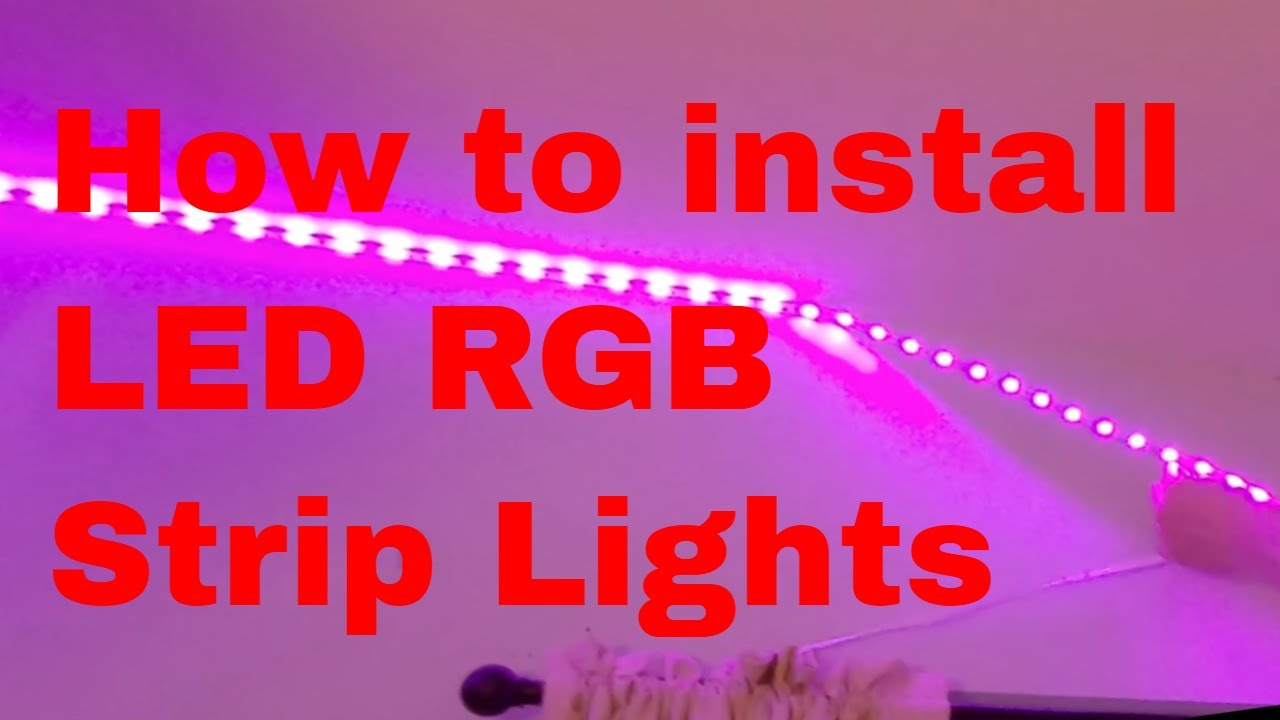
LED strips offer many colors. White lights can be warm or cool. RGB strips change colors with a remote. Brightness varies too. Some strips are dim and soft. Others shine bright for better visibility. Pick colors and brightness to fit your room’s mood and purpose.
Waterproof Vs Non-waterproof
Some LED strips are waterproof. They work well outside or in moist places. Non-waterproof strips suit dry indoor areas only. Waterproof lights have a protective layer. This prevents damage from rain or spills. Choose waterproof strips for bathrooms, kitchens, or outdoor spaces.
Tools And Materials Needed
Hanging LED lights correctly needs the right tools and materials. This step makes sure the lights stay secure and work well. Using proper items helps avoid damage and keeps the setup neat.
Below are the main tools and materials needed. Each plays a key role in the installation process.
Essential Tools
Start with basic tools like a measuring tape and a pencil. These help mark where to place the lights. A pair of scissors or wire cutters is needed to trim the LED strip. A screwdriver may be required to fix mounting brackets or clips. A drill can be useful for making holes on hard surfaces. A level ensures the lights hang straight and even.
Adhesives And Mounting Accessories
Strong adhesive tape is often included with LED strips. It sticks the lights to smooth surfaces like walls or furniture. For rough or textured surfaces, use mounting clips or brackets. These provide extra support. Double-sided tape or mounting putty can work for temporary setups. Avoid nails or staples that can damage the LED strip.
Power Supplies And Controllers
LED lights need a compatible power supply to work safely. Check the voltage and current rating before buying. A power adapter plugs into the wall outlet and connects to the lights. Controllers allow changing light colors and brightness. Some models use remote controls or smartphone apps. Choose a reliable power supply and controller for smooth operation.
Preparing The Surface
Preparing the surface is the first step in hanging LED lights properly. A clean, dry, and well-planned surface helps the lights stick better. It also makes your setup look neat and last longer. Take your time with this step for the best results.
Cleaning And Drying
Start by wiping the surface with a damp cloth. Remove dust, dirt, and grease. Use mild soap if needed. Let the surface dry completely before moving on. Moisture can stop the adhesive from sticking well.
Measuring And Planning Layout
Measure the area where you want to place the LED lights. Use a tape measure for accuracy. Plan the path of your lights carefully. Think about power sources and corners. This step avoids mistakes and wasted materials.
Marking Placement
Use a pencil to mark spots for the lights. Mark where bends and connections will go. Small marks help guide your installation. They keep the lights straight and even. Avoid heavy marks that are hard to erase.
Mounting Techniques
Mounting LED lights properly helps ensure they stay in place and look neat. Different techniques suit various surfaces and needs. Choose the right method to make installation easy and lasting.
Peel-and-stick Method
Peel-and-stick LED strips have an adhesive back. Remove the protective film and press the strip onto a clean surface. This method works best on smooth walls or furniture. It is quick and requires no tools.
Clean the surface well before sticking. Dirt or dust reduces the adhesive strength. Avoid touching the sticky side to keep it effective. Press firmly along the strip for a secure hold.
Using Mounting Clips
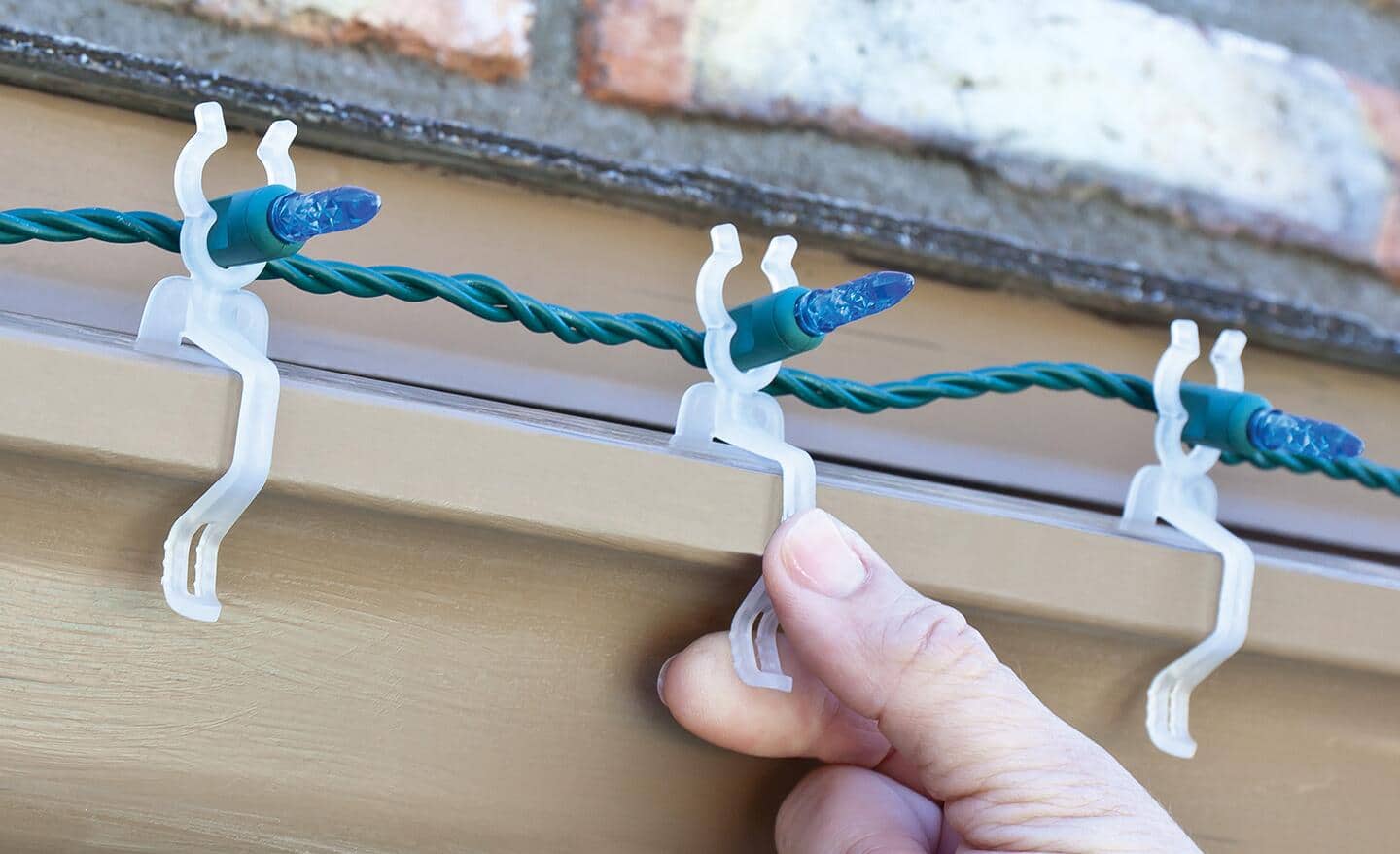
Mounting clips hold LED strips or light bars in place. They attach with small screws or nails. Clips provide extra security on rough or uneven surfaces. This option is good for outdoor or flexible installations.
Space clips evenly to prevent sagging or peeling. Remove the clips carefully if you want to reposition the lights. Use a drill or screwdriver for quick attachment.
Custom Mounting Solutions
Custom mounting fits unique areas or shapes. Use brackets, channels, or plastic mounts for added style and protection. These solutions help direct light or hide wires neatly.
Measure your space before creating custom mounts. Materials like wood, metal, or plastic work well. Custom mounts make your LED setup look professional and clean.
Wiring And Power Setup
Setting up the wiring and power for LED lights is a key step. It ensures your lights work well and stay safe. Proper wiring helps avoid flickers, outages, and hazards. Follow these simple tips for a smooth setup.
Connecting To Power Source
Start by choosing the right power source. LED lights usually use low voltage adapters. Plug the adapter into a nearby outlet. Connect the LED light wires to the adapter’s output. Match the positive and negative wires carefully. Secure all connections to avoid loose contacts. Test the lights before final installation.
Using Extension Cables
Extension cables help reach distant power outlets. Use cables rated for low voltage LED lights. Avoid very long cables to prevent power loss. Keep cables away from water and heat sources. Use cable clips or ties to organize wires. Check connections often for wear or damage. Replace any damaged cables immediately.
Safety Tips For Wiring
Turn off power before starting any wiring work. Use insulated tools to handle wires safely. Avoid overloading power outlets or extension cords. Keep wires neat to prevent tripping hazards. Check for proper grounding of your power source. Use a voltage tester to confirm no live wires. Follow local electrical codes and guidelines strictly.
Controlling Led Lights
Controlling LED lights adds convenience and style to any space. It lets you change the mood easily. You can turn lights on or off without moving. Adjust colors and brightness to fit your needs. Many control options suit different preferences and budgets.
Remote Controls And Apps
Most LED lights come with remote controls. They offer simple button presses to change colors and brightness. No need to get up or use a switch. Some LED lights pair with smartphone apps. Apps provide more control and settings. You can schedule lights to turn on or off. Apps often include timers and color options.
Smart Home Integration
Smart LED lights work with home assistants like Alexa or Google Home. Voice commands control your lights hands-free. Set scenes for different activities like reading or relaxing. You can control lights with one app for all devices. Integration makes managing lights easier and faster.
Adjusting Brightness And Color
Adjusting brightness helps create the right atmosphere. Lower brightness for calm and higher for work or parties. Color changes add fun and style to your rooms. Warm colors make spaces cozy. Cool colors boost focus and energy. Choose colors that match your mood or decor.
Common Mistakes To Avoid
Hanging LED lights seems easy but often mistakes happen. These errors can cause damage or poor lighting effects. Avoiding common mistakes saves time and ensures safety. Focus on key areas for better results.
Overloading Circuits
Many people connect too many LED lights to one circuit. This causes the circuit to overload and may trip breakers. Check the circuit’s limit before adding lights. Use separate circuits if needed to prevent problems.
Ignoring Surface Preparation
LED lights need clean, dry surfaces to stick well. Dust, dirt, or grease stops the adhesive from holding properly. Clean the wall or ceiling with a cloth before placing the lights. This helps lights stay secure and last longer.
Poor Cable Management
Leaving cables loose or tangled looks messy and can cause accidents. Arrange cables neatly along edges or behind furniture. Use clips or hooks to keep wires tight and out of the way. Good cable management improves safety and appearance.
Maintenance And Troubleshooting
Maintaining LED lights keeps them bright and long-lasting. Troubleshooting small problems helps avoid bigger issues. Regular care improves your LED strip’s performance and look.
Cleaning Led Strips
Dust and dirt can dull LED lights. Use a soft cloth to wipe strips gently. Avoid wetting the strip directly. Use a little rubbing alcohol on the cloth for sticky spots. Clean every few weeks for best results.
Replacing Damaged Sections
Cut damaged parts carefully along the marked lines. Use connectors to join new strips. Make sure the power is off before replacing. Check the new section fits the voltage and type. Test the strip before fixing it in place.
Fixing Flickering Or Dim Lights
Loose connections cause flickering or dim light. Press connectors firmly or reattach strips. Check the power supply for stable voltage. Replace old or weak power adapters. Test each section to find the problem area.
Frequently Asked Questions
What Is The Best Surface To Hang Led Lights On?
LED lights stick best on smooth, clean surfaces like walls, ceilings, or furniture. Avoid rough or dusty areas for better adhesion and longevity.
How Do I Avoid Damaging Walls When Hanging Led Lights?
Use removable adhesive strips or hooks designed for LED lights. These options prevent holes and peeling paint while providing secure attachment.
Can I Hang Led Lights Outdoors Safely?
Yes, but choose waterproof LED lights and weather-resistant mounting options. Ensure power connections are protected from moisture to avoid electrical hazards.
What Tools Do I Need To Hang Led Strip Lights?
Basic tools include scissors, measuring tape, cleaning cloth, and adhesive clips or hooks. These help you cut, measure, clean, and mount lights securely.
Conclusion
Hanging LED lights can brighten any space quickly and easily. Use the right tools and follow simple steps for best results. Choose a safe spot and secure the lights well. Test your setup before finalizing to avoid problems later. Enjoy the warm and inviting glow that LED lights bring.
Small effort, big difference. Your room will look cozy and modern in no time.

Alex Navarro
Hi, I'm leds.to, the founder of the world's #1 LED lighting review site. At leds.to, we strive to provide you with the most comprehensive and reliable reviews on LED lighting products. Whether you're looking for car LEDs, super bright LEDs, or even grow light LEDs, you'll find all the information you need right here on our site. With years of experience in the industry, I'll guide you towards making the best purchasing decisions for your lighting needs. Trust me to shed light on the world of LEDs and help you find the perfect lighting solutions.