
Is Switching to Led Lights Worth It: Save Energy & Cut Costs
Affiliate links — we may earn a commission
Are you thinking about changing the lights in your home or office? Switching to LED lights might seem like a small change, but it can make a big difference for your wallet and the environment.
You might wonder if the upfront cost is really worth it or if the light quality will meet your needs. You’ll discover the real benefits and potential drawbacks of LED lighting. By the end, you’ll know exactly if switching to LED lights is the smart move for you.
Keep reading to find out how this simple choice could brighten your space and save you money.
Benefits Of Led Lights
LED lights offer many advantages over traditional bulbs. They save money and energy. They last a long time, which means fewer replacements. LED lights also stay cool and help protect the environment.
These benefits make switching to LED lights a smart choice for homes and businesses.
Energy Efficiency
LED lights use much less energy than regular bulbs. They convert most electricity into light, not heat. This means lower electricity bills and less energy waste. Using LED lights reduces power consumption significantly.
Long Lifespan
LED bulbs last far longer than traditional bulbs. They can work for up to 25,000 hours or more. This means fewer bulb changes and less hassle. The long lifespan saves money over time.
Lower Heat Emission
LED lights produce very little heat. They stay cool even after long use. This lowers the risk of burns or fire hazards. Cooler lights also help keep rooms comfortable.
Environmental Impact
LED lights are better for the planet. They use less energy, which reduces carbon emissions. LED bulbs do not contain harmful chemicals like mercury. They produce less waste due to their long life.
Cost Comparison
Understanding the cost difference between LED lights and traditional bulbs helps make smart choices. The cost comparison includes the initial price, electricity bills, and how much you spend on maintenance. Each factor affects your wallet differently over time.
Initial Investment
LED lights cost more upfront than regular bulbs. You pay more when buying LED bulbs for the first time. The price gap can seem big at the start. But this is only one part of the total cost.
Electricity Savings
LED lights use much less energy than traditional bulbs. This lowers your electricity bills each month. Over time, these savings add up to a large amount. Using LEDs reduces power waste and saves money steadily.
Maintenance Expenses
LED bulbs last much longer than other bulbs. You replace them less often, so you spend less on new bulbs. Fewer replacements mean less hassle and lower maintenance costs. This makes LEDs cheaper to care for in the long run.
Performance Factors
Performance factors play a big role in deciding if LED lights are the right choice. They affect how well the lights work and how they fit your needs. Understanding these factors helps you pick the best LED lights for your home or office.
These factors include brightness, color options, fixture compatibility, and dimming abilities. Each one impacts how you experience light daily.
Brightness And Color Options
LED lights offer many brightness levels. You can find soft warm lights or bright daylight colors. This variety helps create the right mood in any room. Brightness is measured in lumens, not watts. More lumens mean brighter light. LEDs use less power for the same brightness compared to old bulbs.
Compatibility With Fixtures
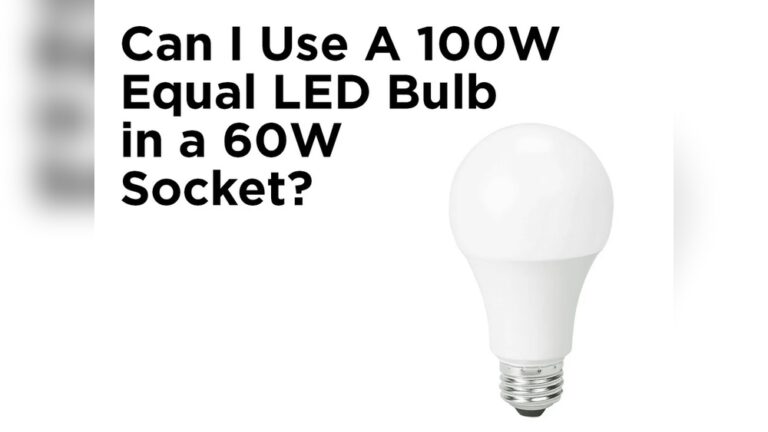
Not all LED bulbs fit every fixture. Check the bulb size and shape before buying. Some LEDs work with standard sockets, while others need special fittings. Using the wrong bulb can cause poor lighting or damage. Many LEDs now match traditional bulb shapes for easy replacement.
Dimming Capabilities
Many LED lights can dim smoothly. This feature helps save energy and set the perfect light level. But not all LEDs dim well. Make sure to choose dimmable LEDs and compatible dimmer switches. Proper dimming avoids flickering and extends bulb life.
Common Concerns
Many people wonder about the downsides of switching to LED lights. Some concerns come up often. These include the quality of LED bulbs, how the light feels, and how to dispose of old bulbs. Let’s explore these points to help you decide.
Quality Variations
Not all LED bulbs are the same. Some are made with better parts and last longer. Cheaper LEDs may burn out fast or flicker. Always check reviews and buy from trusted brands. Good quality LEDs save money over time.
Light Quality And Comfort
LED lights can feel different from traditional bulbs. Some people find LED light too harsh or cold. Choose bulbs with warm color tones for a cozy feel. Also, look for LEDs with good color rendering to see colors naturally. This makes rooms more comfortable.
Disposal And Recycling
LED bulbs last long but need proper disposal. They contain small electronics and metals. Throwing them in regular trash can harm the environment. Many stores or recycling centers take used LEDs. Recycling helps reduce waste and recover materials.
Real-life Savings Examples
Real-life examples show how much money LED lights can save. These cases prove LED lighting cuts electricity bills and lasts longer. Let’s explore savings in homes and businesses.
Residential Cases
A family replaced 20 old bulbs with LED ones. Their monthly electricity cost dropped by 30%. This saved about $15 each month on lighting alone.
Another home used LED bulbs in every room. Over a year, they saved nearly $180 on electricity. LED bulbs also needed fewer replacements, saving more money.
Some homes use smart LED lights that adjust brightness. This reduces waste and lowers bills further. The initial cost is paid back quickly through savings.
Commercial Applications
A small store switched all its lights to LEDs. Their electricity bill decreased by 40% in just six months. This saved hundreds of dollars monthly.
Many offices use LED panels instead of fluorescent tubes. They report lower energy costs and fewer bulb replacements. This reduces maintenance expenses and downtime.
Warehouses with LED lighting also benefit from better visibility. This improves safety and productivity. The savings on energy and maintenance add up fast.

Tips For Switching To Leds
Switching to LED lights can save money and energy. To get the best results, follow some simple tips. These tips help you choose the right bulbs, install them easily, and save more power.
Choosing The Right Bulbs
Look at the bulb’s brightness, not just watts. LEDs use fewer watts for the same light. Check the color temperature to match your room’s mood. Warm light feels cozy; cool light feels bright and clear. Make sure the bulb fits your lamp or fixture. Choose bulbs with good energy ratings for best savings.
Installation Advice
Turn off the power before changing bulbs. Remove old bulbs carefully. Screw in the LED bulbs firmly but gently. Avoid touching the LED surface with bare hands. Test the lights after installation to ensure they work well. Use a ladder safely for high fixtures.
Maximizing Energy Savings
Use LED bulbs in the most-used rooms first. Combine LEDs with dimmers or timers for extra savings. Turn off lights when not needed. Clean your light fixtures regularly for better light. Replace all old bulbs in a room to keep light levels even.
Frequently Asked Questions
What Are The Main Benefits Of Switching To Led Lights?
LED lights save energy, reduce electricity bills, and last longer than traditional bulbs. They emit less heat and are eco-friendly. LEDs also offer better brightness and color options, improving overall lighting quality in homes and offices.
How Much Money Can I Save With Led Lighting?
Switching to LED lights can reduce energy consumption by up to 80%. This leads to significant savings on electricity bills over time. Although LEDs cost more upfront, their long lifespan and low energy use make them cost-effective in the long run.
Are Led Lights Better For The Environment?
Yes, LED lights have a smaller carbon footprint than incandescent bulbs. They use less electricity and contain no harmful substances like mercury. Their long lifespan means fewer replacements and less waste, making LEDs a greener lighting option.
Do Led Lights Work With Existing Fixtures?
Most LED bulbs fit standard light fixtures and sockets. However, some specialty LEDs may require compatible fixtures or dimmers. It’s important to check product specifications before purchasing to ensure compatibility and optimal performance.
Conclusion
Switching to LED lights saves energy and lowers your bills. They last much longer than traditional bulbs. LEDs also produce less heat, making homes safer. The light quality is bright and clear. Installation is easy and fits most fixtures. Over time, the savings add up.
Small change, big benefits. Choosing LED lights helps the environment too. It’s a smart, simple step for better lighting. Worth trying? Definitely.

Alex Navarro
Hi, I'm leds.to, the founder of the world's #1 LED lighting review site. At leds.to, we strive to provide you with the most comprehensive and reliable reviews on LED lighting products. Whether you're looking for car LEDs, super bright LEDs, or even grow light LEDs, you'll find all the information you need right here on our site. With years of experience in the industry, I'll guide you towards making the best purchasing decisions for your lighting needs. Trust me to shed light on the world of LEDs and help you find the perfect lighting solutions.