Should I Wire Led Lights in Series Or Parallel: Expert Guide
Affiliate links — we may earn a commission
Are you wondering whether to wire your LED lights in series or parallel? Making the right choice can save you time, money, and frustration.
The way you connect your LEDs affects how bright they shine, how long they last, and how safe your setup is. You’ll discover simple explanations that clear up the confusion. By the end, you’ll know exactly which wiring method fits your project perfectly.
Keep reading to avoid common mistakes and get your LED lights working just the way you want.
Led Wiring Basics
Understanding the basics of LED wiring helps you decide the best way to connect your lights. Wiring affects how your LEDs perform and last. Learning simple concepts about LEDs makes wiring easier and safer.
This section covers how LEDs work and their voltage and current needs. These ideas help you choose between series and parallel wiring.
How Leds Work
LED stands for Light Emitting Diode. It produces light when electric current flows through it. The current moves in one direction only. LEDs have two terminals: anode (positive) and cathode (negative).
When connected correctly, electrons move across the diode. This movement creates light. If wired backward, the LED will not light. LEDs use less energy than traditional bulbs. They last longer and stay cool.
Voltage And Current Needs
LEDs need a specific voltage and current to work properly. Voltage is the force pushing the electric current. Current is the flow of electricity through the LED. Each LED has a recommended voltage, usually around 2 to 3 volts.
Too much voltage or current can damage the LED. Too little means it will not light or will be dim. A resistor is often used to control current and protect LEDs. Knowing these needs helps decide wiring style.
Series Wiring
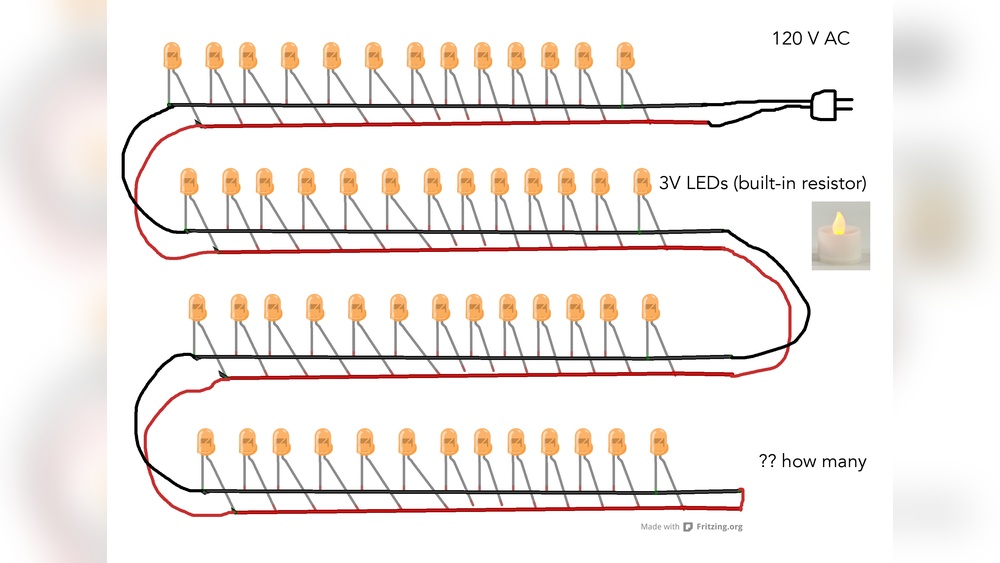
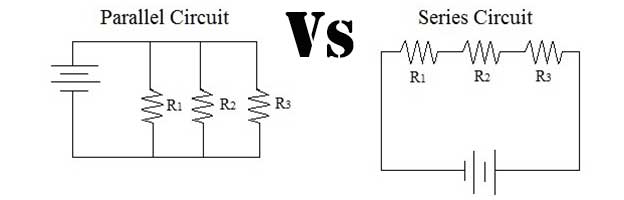
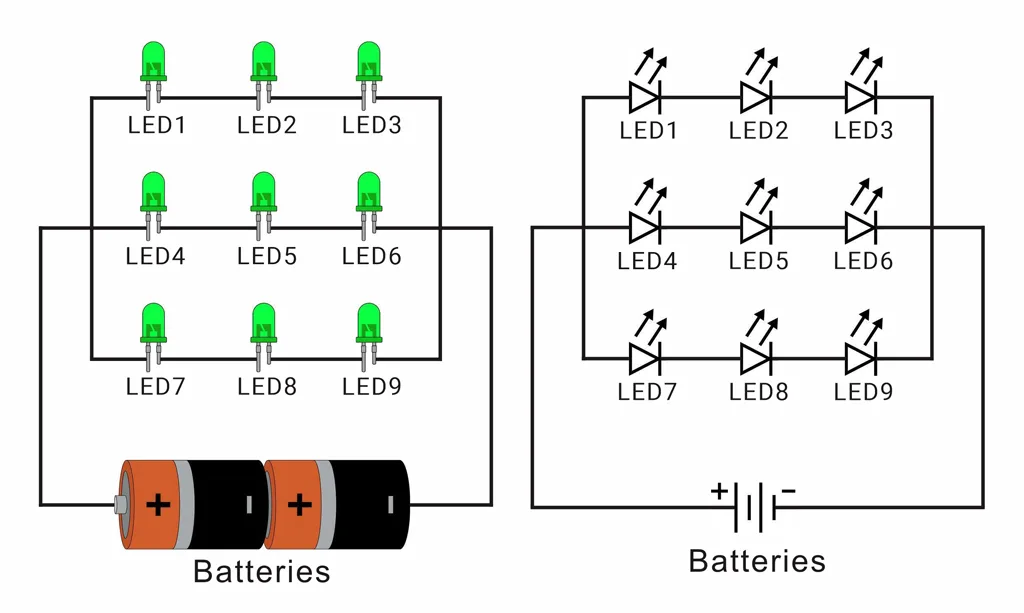
Series wiring is one way to connect LED lights. It links each light one after another in a single path. This method lets electricity flow through each LED in order. The setup is simple and uses fewer wires than other methods. It is common in small LED projects and decorations.
How Series Wiring Works
In series wiring, LEDs connect end-to-end. The positive terminal of one LED joins the negative terminal of the next. Current flows through each LED one by one. The same current moves through every LED in the chain. Voltage divides across the LEDs depending on their number.
Pros Of Series Wiring
Series wiring uses fewer wires, making it easy to set up. It requires less power supply complexity. Voltage drops evenly across all LEDs. This method helps spot a broken LED quickly. If one LED fails, the whole circuit stops, showing the issue clearly.
Cons Of Series Wiring
One LED failure stops all lights in the chain. Brightness may drop if too many LEDs connect in series. LEDs must have similar ratings for proper function. Voltage needs to be high enough for all LEDs combined. Repairing or changing LEDs can be tricky without breaking the circuit.
Parallel Wiring
Parallel wiring is a common method to connect LED lights. Each LED has its own direct path to the power source. This setup keeps all lights running independently. If one LED stops working, others keep shining. Parallel wiring is popular for home and decorative lighting.
How Parallel Wiring Works
In parallel wiring, each LED connects directly to the power source. Each light gets the full voltage supply. The positive terminal of each LED links to the positive side of the power. The negative terminal connects to the negative side. This creates multiple paths for electricity to flow.
Pros Of Parallel Wiring
Lights stay bright and steady in parallel wiring. If one LED fails, others keep working. You can add more LEDs without changing the voltage. It prevents the entire string from going out. This method offers better control and safety for LED lights.
Cons Of Parallel Wiring
Parallel wiring uses more wire than series wiring. It can be more complex to set up. More wires can mean higher costs and bigger space needs. If wiring is poor, it may cause shorts or damage. It requires careful planning and correct connectors.
Comparing Series And Parallel
Choosing between series and parallel wiring affects how LED lights work. Each method changes the power use, brightness, and safety. Understanding these differences helps pick the best setup for your needs.
Power Consumption
In series wiring, power passes through each LED one after another. The total voltage divides among all lights. This can lower the overall power used.
Parallel wiring gives each LED the full voltage from the power source. This means each light uses the same power as if alone. Power consumption is higher but steady.
Brightness Consistency
Series wiring causes brightness to drop if one LED fails. All lights may dim or go out. This can make the lighting uneven.
Parallel wiring keeps brightness steady. Each LED works independently. One light failing does not affect the others.
Safety Considerations
Series wiring can lead to higher voltage on some LEDs. This may cause overheating or damage if not matched correctly. Careful planning is needed.
Parallel wiring is safer for most setups. Each LED gets the same voltage. This reduces risk of overheating and damage.
Choosing The Right Setup
Choosing the right setup for wiring LED lights matters a lot. It affects how well your lights work and how long they last. The choice depends on a few key things. Think about what you need and how your lights will be used. This guide helps you decide between series or parallel wiring for your LED lights.
Application Types
Different projects need different wiring methods. For simple tasks like string lights, series wiring can work well. It keeps the setup neat but has one drawback: if one LED fails, all go off. For safety lights or displays, parallel wiring is better. It keeps each LED running on its own. This way, one failure does not affect the others.
Number Of Leds
The number of LEDs also guides your choice. Small groups of LEDs can work fine in series. Large groups benefit from parallel wiring. Series wiring adds voltage needs for every LED, which can get too high. Parallel wiring keeps voltage steady and shares the current across all LEDs.
Power Supply Compatibility
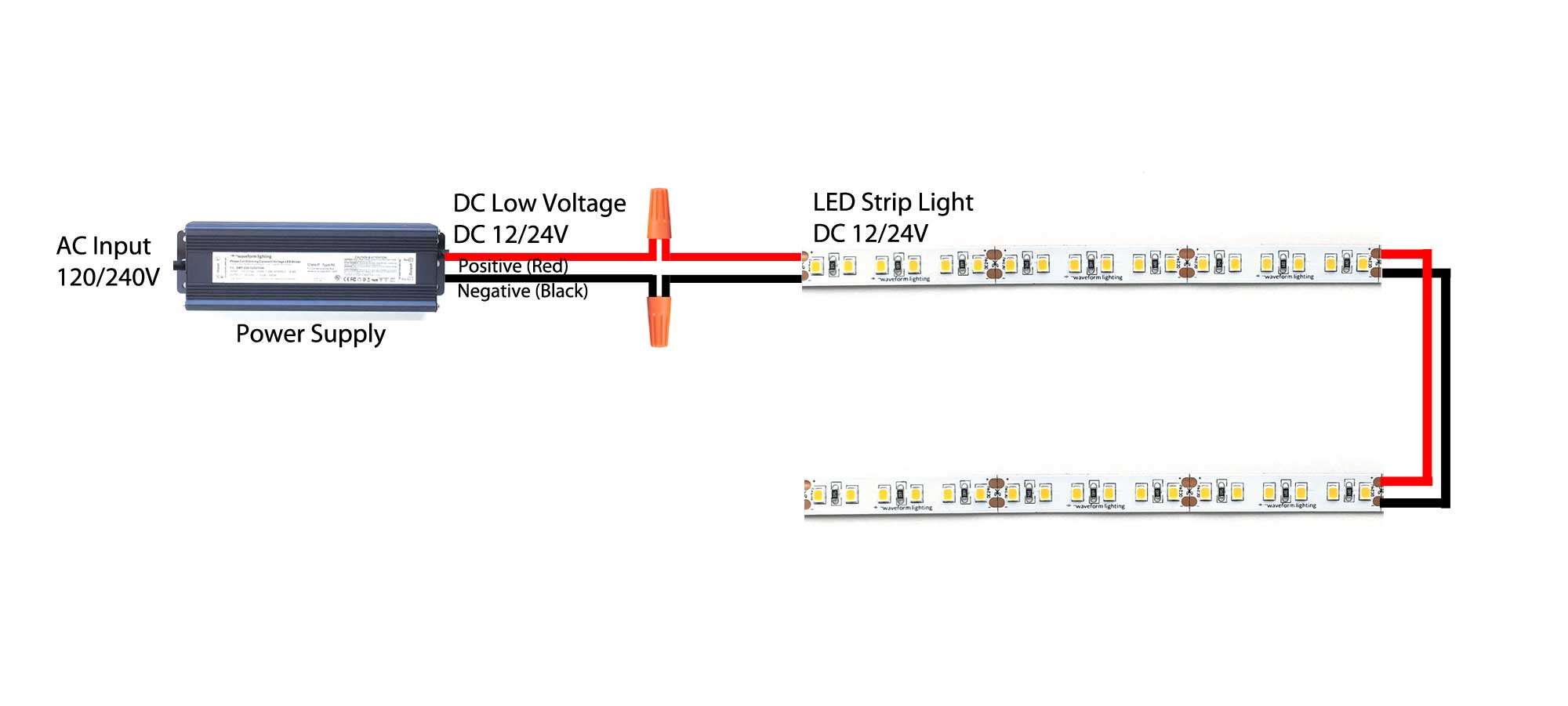
Check your power source before wiring. Series wiring needs a higher voltage supply. Each LED adds voltage demand. Parallel wiring requires more current but keeps voltage low. Choose a power supply that matches your wiring style. This prevents damage and keeps your LEDs bright and safe.
Common Mistakes To Avoid
Wiring LED lights can seem simple but has hidden challenges. Avoiding common mistakes helps your lights work better and last longer.
Small errors can cause big problems like flickering, dim lights, or even damage. Watch out for these common pitfalls to get the best results.
Overloading Circuits
Connecting too many LEDs in one circuit can cause overload. Overloading leads to heat build-up and may burn out your lights. Always check the power rating before adding more LEDs. Use a power supply that matches your total LED load. This keeps your system safe and stable.
Ignoring Resistors
Resistors control the current flowing through LEDs. Without resistors, LEDs can get too much current and burn out quickly. Each LED type needs the right resistor value for proper operation. Never skip resistors; they protect your LEDs and extend their life.
Mixing Led Types
Using different LED types in one circuit causes uneven brightness. Different LEDs have different voltage and current needs. Mixing them may lead to flickering or some LEDs not lighting up. Use the same LED model for consistent light and performance.
Tips For Installation
Installing LED lights correctly improves their performance and lifespan. Careful setup reduces risks and saves time. Follow these tips for a smooth installation process. Use the right tools, test your connections, and maintain the system well. This approach ensures your lights work safely and brightly.
Tools You Need
Gather essential tools before starting. A wire stripper helps remove insulation cleanly. Use a multimeter to check voltage and continuity. Screwdrivers and pliers assist in securing connections. Electrical tape or heat shrink tubing protects wires. Having these tools ready makes installation easier and safer.
Testing Your Setup
Test your wiring before finalizing the setup. Use a multimeter to verify voltage at each LED. Check for loose or reversed connections. Power the circuit briefly to see if all lights work. Testing early helps find problems before damage occurs. Fix issues immediately to ensure steady performance.
Maintenance Advice
Keep your LED lights clean and dry. Dust and moisture reduce brightness and cause damage. Inspect wires regularly for frays or corrosion. Replace damaged parts quickly to avoid short circuits. Periodic checks extend the life of your lighting system. Simple care keeps your LEDs shining bright longer.
Frequently Asked Questions
What Are The Benefits Of Wiring Led Lights In Series?
Wiring LED lights in series ensures equal current flow through each LED. It’s energy-efficient and simple but risks total failure if one LED breaks. This method suits low-voltage applications where LEDs have similar voltage ratings.
Why Choose Parallel Wiring For Led Lights?
Parallel wiring allows each LED to operate independently. If one LED fails, others stay lit. It suits higher voltage systems and prevents brightness loss across LEDs, offering consistent lighting performance.
How Does Series Wiring Affect Led Brightness?
In series wiring, LEDs share the voltage equally, maintaining uniform brightness. However, if LEDs differ in specs, brightness may vary. It’s crucial to use matched LEDs for consistent illumination.
Can I Mix Series And Parallel Wiring For Leds?
Yes, combining series and parallel wiring balances voltage and current needs. This hybrid approach optimizes performance in complex LED setups. It provides flexibility and reliability in various lighting designs.
Conclusion
Choosing between series and parallel wiring affects your LED lights’ performance. Series wiring uses less wire but can cause all lights to go out if one fails. Parallel wiring keeps each light independent, so one failure won’t affect others. It also provides consistent brightness across all LEDs.
Think about your project’s size, power source, and safety before deciding. Simple setups often work well with parallel wiring. Complex designs may need series wiring for efficiency. Consider these factors carefully to get the best lighting results. Your choice impacts durability, brightness, and maintenance.
Choose wisely for the best LED experience.

Alex Navarro
Hi, I'm leds.to, the founder of the world's #1 LED lighting review site. At leds.to, we strive to provide you with the most comprehensive and reliable reviews on LED lighting products. Whether you're looking for car LEDs, super bright LEDs, or even grow light LEDs, you'll find all the information you need right here on our site. With years of experience in the industry, I'll guide you towards making the best purchasing decisions for your lighting needs. Trust me to shed light on the world of LEDs and help you find the perfect lighting solutions.