Do Led Light Bulbs Help Plants Grow: Ultimate Growth Guide
Affiliate links — we may earn a commission
Have you ever wondered if the lights in your home could actually help your plants grow better? If you’re using or thinking about using LED light bulbs for your indoor garden, you might be curious whether they really make a difference.
Imagine giving your plants the perfect light they need to thrive, even when natural sunlight is limited. You’ll discover how LED light bulbs work with your plants, what benefits they offer, and how to choose the right ones to boost your green space.
Keep reading, because the secret to healthier, happier plants might be closer than you think.

How Led Lights Affect Plant Growth
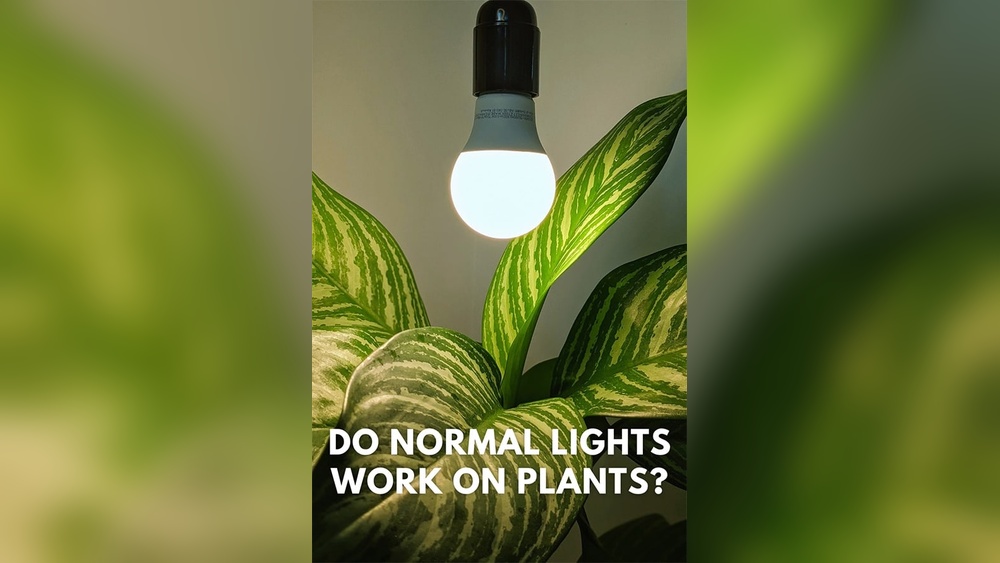
LED lights can help plants grow by providing light that plants need for food. Plants use light in a process called photosynthesis. The type of light and how long plants get it can change how well they grow. LED lights are popular because they use less energy and can be made to give the right kind of light for plants.
Understanding how LED lights work with plants helps gardeners and farmers grow healthier plants indoors. The two main factors are the light spectrum and the amount of light plants receive each day.
Light Spectrum And Photosynthesis
Plants need certain colors of light to make food. Blue and red lights are the most important for photosynthesis. Blue light helps plants grow strong leaves. Red light helps flowers and fruits develop. LED lights can be made to give mostly blue and red light, which is best for plants.
Using the right light spectrum helps plants use energy well. White LED lights also work but may not be as efficient as red and blue. This is why many plant grow lights focus on these colors.
Intensity And Duration Effects
Light intensity means how bright the light is. Plants need enough light to grow but too much can harm them. LED lights can be adjusted to give the right brightness for different plants. Some plants need more light than others.
The length of time plants get light is also key. Most plants need 12 to 16 hours of light each day. LED lights allow control of this time easily. This control helps plants grow faster and stay healthy indoors.
Benefits Of Using Led Grow Lights
Using LED grow lights offers many benefits for growing plants indoors. These lights support plant growth by providing the right light spectrum. They also save energy and reduce costs. LED lights help control heat around plants, keeping them safe. Plus, they allow growers to adjust light settings for different plant needs.
Energy Efficiency And Cost Savings
LED grow lights use less electricity than traditional bulbs. This lowers energy bills significantly. They last longer, which reduces replacement costs. Using LED lights helps save money over time. Many growers choose LED lights for their budget-friendly use.
Heat Management
LED lights produce very little heat. This prevents plants from getting too hot. Cooler lights reduce the risk of burning leaves. It also helps keep the growing space comfortable. Proper heat control improves plant health and growth.
Customizable Light Settings
LED grow lights can change color and brightness. This lets growers match light to plant growth stages. Different plants need different light types. Adjustable settings help plants get the best light. This flexibility supports stronger and healthier plants.
Choosing The Right Led Light For Plants
Choosing the right LED light for plants is key to healthy growth. Plants need specific light types, strength, and colors. Using the wrong LED can slow growth or cause poor results. Understanding what each LED offers helps you pick the best fit for your plants.
Types Of Led Grow Lights
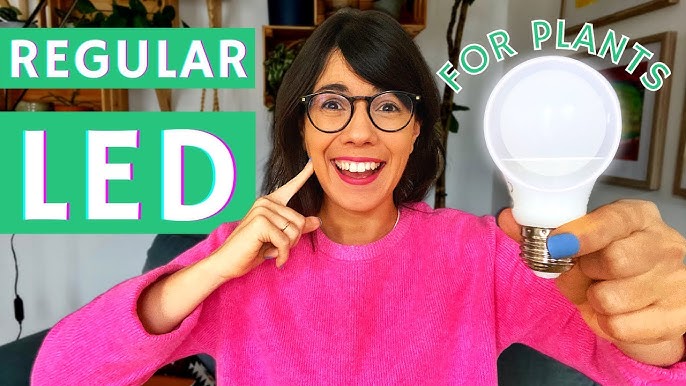
LED grow lights come in many types. Panel lights cover wide areas and provide even light. Tube lights fit small spaces and are easy to install. Bulb-style LEDs work in regular light sockets for small plants. Each type suits different growing needs and spaces.
Wattage And Coverage Area
Wattage shows how much power the light uses. Higher wattage means more light energy for plants. Coverage area tells how much space the light can cover well. Match wattage and coverage to your plant size and room space. Too little light limits growth. Too much wastes energy.
Color Temperature And Spectrum
Color temperature affects plant growth stages. Blue light helps leaves and stems grow strong. Red light supports flowering and fruit production. Full spectrum lights mix colors to mimic sunlight. Choose a spectrum based on your plant type and growth phase. Good light color boosts photosynthesis and health.
Setting Up Led Lights For Optimal Growth
Setting up LED lights correctly helps plants grow strong and healthy. It is important to place lights properly, set the right light cycles, and mix natural and artificial light well. These steps create a good environment for plants. This section explains how to set up LED lights for the best plant growth.
Placement And Distance From Plants
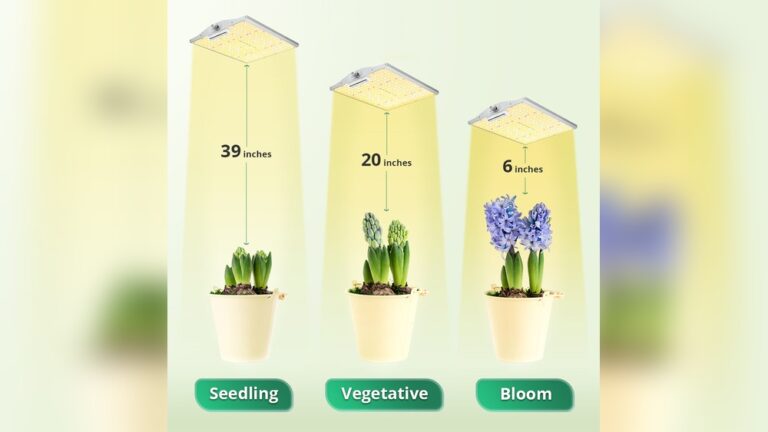
Place LED lights close to plants, but not too near. Too close can burn leaves. Too far means weak light and slow growth. Keep lights about 12 to 24 inches away. Adjust distance based on plant type and light strength. Move lights higher as plants grow taller.
Light Cycles And Timing
Plants need regular light and dark periods. Most plants grow well with 12 to 16 hours of light daily. Use timers to keep light cycles steady. Too much light stresses plants. Too little slows growth. Follow each plant’s light needs for best results.
Combining Natural And Artificial Light
Use natural sunlight with LED lights for balanced growth. Natural light gives full spectrum energy. LED lights fill gaps when sunlight is weak or short. Place plants near windows and add LED light as needed. This mix helps plants grow faster and healthier.
Common Mistakes With Led Plant Lighting
Using LED lights for plants is popular among gardeners. Many make simple mistakes that stop plants from growing well. Knowing these errors helps improve plant health and growth.
Overexposure And Light Burn
Too much light from LEDs can harm plants. Leaves may turn brown or dry out. Light burn happens when bulbs are too close. Keep the right distance to avoid damage.
Insufficient Light Intensity
Plants need enough light to grow strong. Weak LED lights slow growth and make plants weak. Ensure the light is bright enough for your plants. Check the light’s wattage and coverage area.
Ignoring Plant Species Needs
Different plants need different light types and amounts. Some need more red or blue light. Some need light for many hours, others less. Learn about your plant’s needs to give the best care.
Comparing Leds With Other Grow Lights
Choosing the right grow light is important for healthy plant growth. Different types of lights offer various benefits and drawbacks. Comparing LEDs with other common grow lights helps find the best option for your plants.
Understanding how LEDs perform against other lights shows their strengths and weaknesses. This comparison looks closely at fluorescent and HID lights.
Leds Vs Fluorescent Lights
LEDs use less energy than fluorescent lights. They also last longer, reducing replacement costs. LEDs produce less heat, which lowers the risk of burning plants. Fluorescent lights often need more space due to their size. LEDs can target specific light colors that plants need. Fluorescent bulbs give a broad light spectrum but less control. LED lights are more durable and less fragile. Fluorescent lights contain mercury, which needs careful disposal.
Leds Vs Hid Lights
HID lights are very bright and cover large areas well. They use more electricity than LEDs. HID lights produce a lot of heat, needing extra cooling. LEDs stay cooler, saving on ventilation costs. HID bulbs require frequent replacement compared to LEDs. LEDs can be customized to emit specific light wavelengths. HID lights give strong light intensity but lack efficiency. LED setups are easier to install and maintain. Plants can thrive under both, but LEDs offer long-term savings.
Maximizing Plant Growth With Led Lights
LED lights offer a smart way to help plants grow indoors. They use less energy and give plants the right colors of light. This helps plants make food through photosynthesis. To get the best results, it is important to manage several factors along with LED lighting.
Good care means balancing water, nutrients, temperature, and watching how plants react. These steps help plants stay healthy and grow strong. LED lights work best when combined with proper plant care.
Nutrient And Water Management
Plants need water and nutrients to grow well. Too much or too little water can harm them. Use clean water and feed plants with the right nutrients. This supports strong roots and healthy leaves.
Check soil moisture often. Adjust watering based on plant needs and growth stage. Proper nutrition helps plants use LED light energy better.
Temperature And Humidity Control
Plants grow best at certain temperatures. Keep indoor areas warm but not too hot. Too much heat can stress plants and slow growth.
Humidity affects how plants absorb water. Maintain moderate humidity levels. This prevents dry leaves and helps plants breathe well.
Monitoring Plant Responses
Watch plants closely for signs of stress or poor growth. Leaves turning yellow or dropping can signal problems.
Adjust light duration or intensity if plants seem weak. Observing helps find the right balance of care and light. Healthy plants show vibrant green leaves and steady growth.
Frequently Asked Questions
Do Led Light Bulbs Provide Enough Light For Plants?
LED bulbs can provide sufficient light if they emit the right spectrum. Full-spectrum LEDs mimic sunlight and support photosynthesis effectively. However, regular white LEDs may not supply all necessary wavelengths for optimal plant growth.
How Do Led Grow Lights Differ From Regular Leds?
LED grow lights emit specific light wavelengths tailored for plant growth. Regular LEDs focus on visible light for human use and lack these plant-friendly spectra. Grow lights boost photosynthesis by providing red and blue light crucial for plants.
Can Led Lights Replace Natural Sunlight For Plants?
LED lights can supplement or replace sunlight indoors if they offer the correct light spectrum. While natural sunlight is ideal, full-spectrum LED grow lights enable healthy growth in low-light or indoor environments.
What Are The Benefits Of Using Led Lights For Plants?
LED grow lights use less energy, produce less heat, and last longer than traditional bulbs. They allow precise control over light spectrum and duration, promoting efficient plant growth indoors or in controlled environments.
Conclusion
LED light bulbs can support plant growth well. They offer the right light colors plants need. Using LED bulbs saves energy and lasts long. Not all LED bulbs work for plants, so choose carefully. Proper placement and timing also help plants grow better.
Overall, LED lights are a good option for indoor gardening. Try them and watch your plants thrive with simple care.

Alex Navarro
Hi, I'm leds.to, the founder of the world's #1 LED lighting review site. At leds.to, we strive to provide you with the most comprehensive and reliable reviews on LED lighting products. Whether you're looking for car LEDs, super bright LEDs, or even grow light LEDs, you'll find all the information you need right here on our site. With years of experience in the industry, I'll guide you towards making the best purchasing decisions for your lighting needs. Trust me to shed light on the world of LEDs and help you find the perfect lighting solutions.