What is the Difference between Led Light And Bulb: Key Insights
Affiliate links — we may earn a commission
Are you confused about the difference between an LED light and a bulb? You’re not alone.
Many people use these terms interchangeably, but knowing the difference can help you make smarter choices for your home or office lighting. Understanding how each works and their benefits can save you money, boost your energy efficiency, and improve your comfort.
Keep reading to discover the key differences that will make choosing the right lighting easier than ever.
Led Light Basics
LED lights have changed how people light their homes and offices. They are energy-saving and last much longer than traditional bulbs. Understanding the basics of LED lights helps you choose the right lighting for your needs. This section explains how LED lights work and the common types you can find.
How Led Lights Work
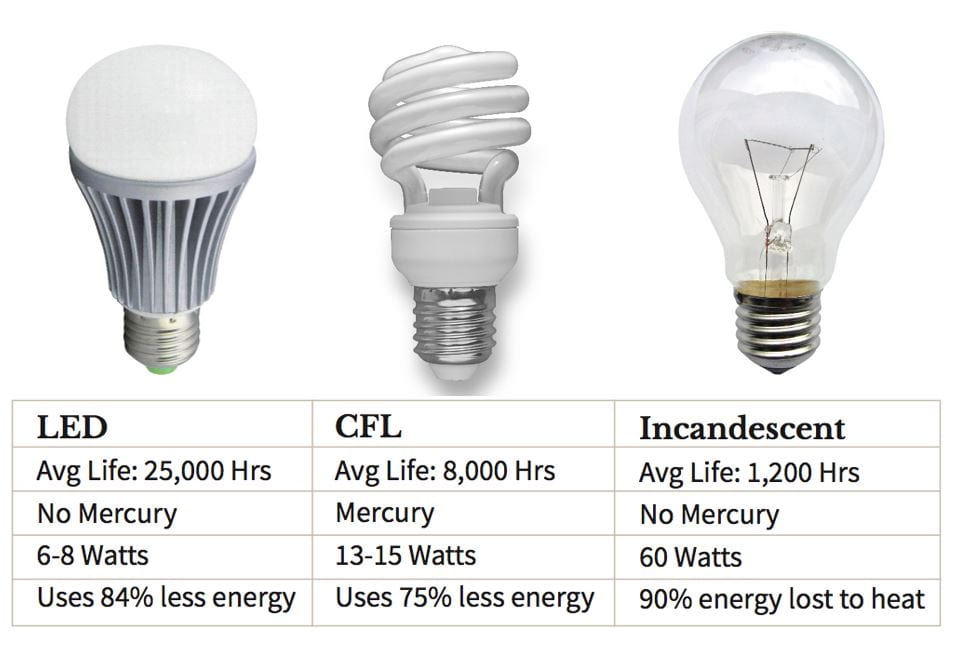
LED stands for Light Emitting Diode. It produces light when an electric current passes through a tiny semiconductor chip. This chip emits light without getting very hot. This process uses less energy than old-style bulbs. LEDs turn electricity directly into light. No filament or gas is needed. This makes LEDs strong and long-lasting.
Common Types Of Led Lights
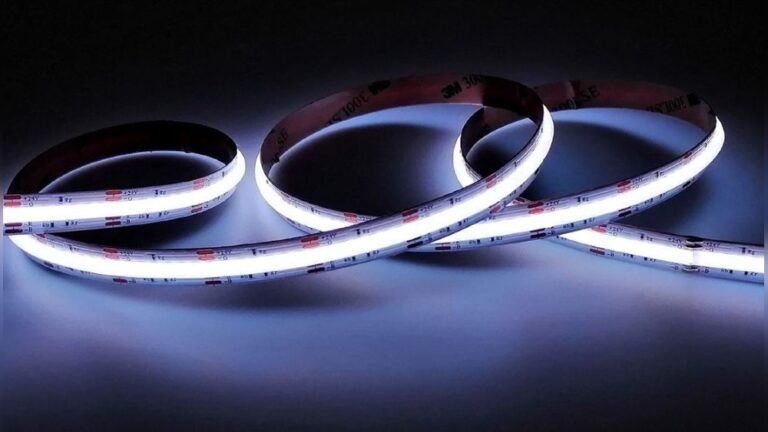
LED lights come in many shapes and sizes. Some popular types include LED bulbs, LED strips, and LED panels. LED bulbs replace regular bulbs in lamps and fixtures. LED strips are thin and flexible, perfect for decoration. LED panels provide bright, even light for large areas. Each type suits different uses and spaces.
Bulb Fundamentals
Understanding the basics of light bulbs helps to see how they differ from LED lights.
Traditional bulbs come in various types. Each type works differently and has unique features.
Knowing these types shows why LEDs are often preferred today.
Incandescent Bulbs
Incandescent bulbs create light by heating a thin wire inside them. This wire is called a filament.
When electricity passes through, the filament glows and produces light.
These bulbs use more energy and get very hot during use.
They have a short lifespan compared to newer options.
Fluorescent Bulbs
Fluorescent bulbs use a gas inside a tube to make light.
Electricity causes the gas to glow, which lights up the bulb.
They use less energy than incandescent bulbs and last longer.
These bulbs sometimes flicker and need special disposal due to mercury content.
Halogen Bulbs
Halogen bulbs are a type of incandescent bulb but brighter and more efficient.
They contain a small amount of halogen gas to increase lifespan.
Halogen bulbs produce a bright, white light and get very hot.
They use less energy than regular incandescent bulbs but more than LEDs.
Energy Efficiency Comparison
Energy efficiency is a key factor when choosing between LED lights and traditional bulbs. It affects electricity bills and environmental impact. Understanding how these two compare helps make better lighting choices.
Power Consumption
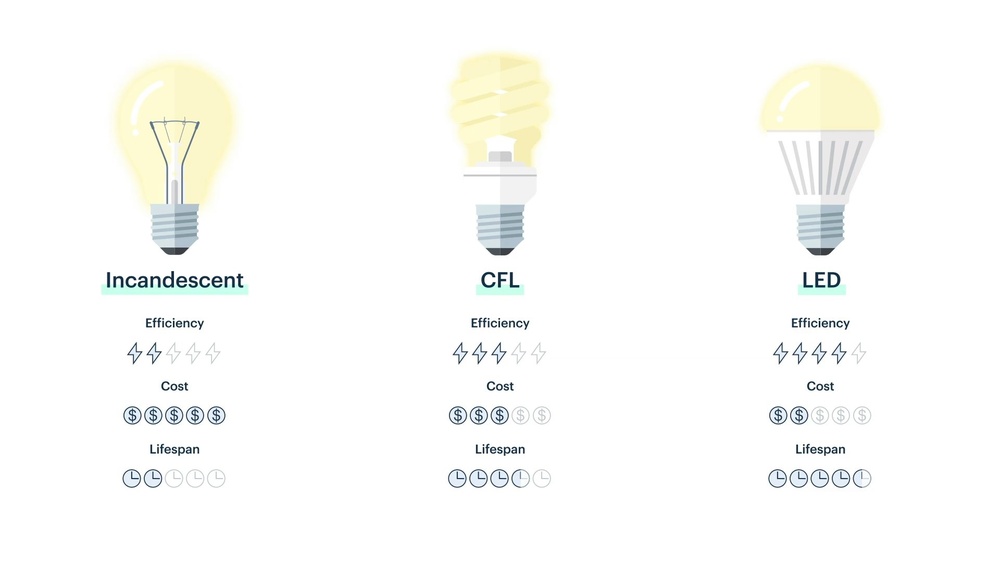
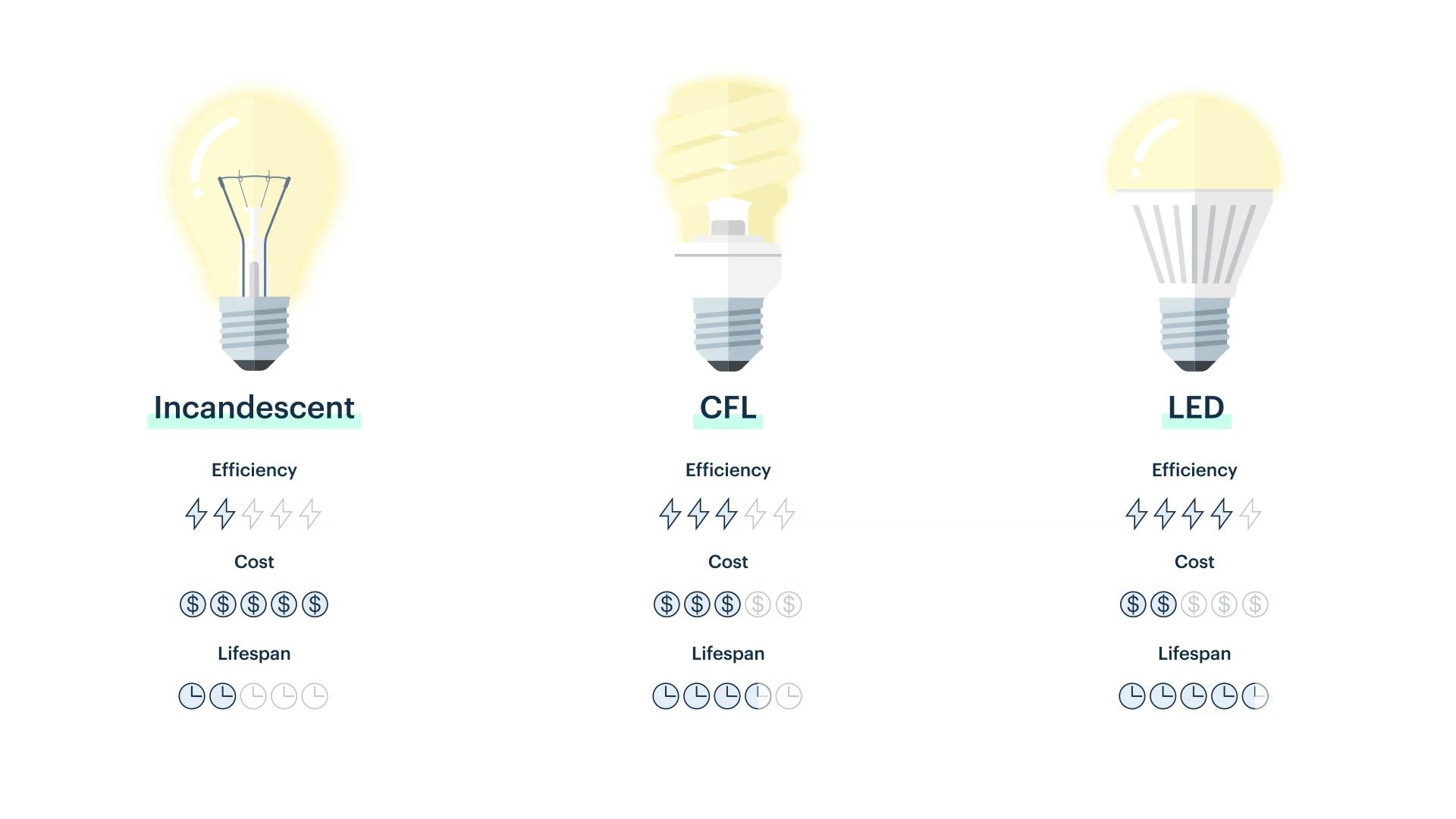
LED lights use much less power than traditional bulbs. They convert more energy into light, wasting less as heat. This means lower electricity use for the same brightness. Traditional bulbs need more watts to produce similar light. Switching to LED can cut energy costs significantly.
Lifespan Differences
LED lights last far longer than regular bulbs. A typical LED can work for 25,000 hours or more. Traditional bulbs often last only 1,000 to 2,000 hours. Longer lifespan means fewer replacements and less waste. This also saves money over time on buying new bulbs.
Light Quality And Color
Light quality and color play a big role in choosing between LED lights and traditional bulbs. They affect how bright your space feels and the mood it creates. Understanding these factors helps pick the right light for your needs.
Brightness Levels
LED lights often give brighter light with less energy. They shine clearly without flickering or dim spots. Traditional bulbs can feel softer but may waste more power. Brightness from LEDs stays steady over time. Bulbs may lose brightness as they age.
Color Temperature Options
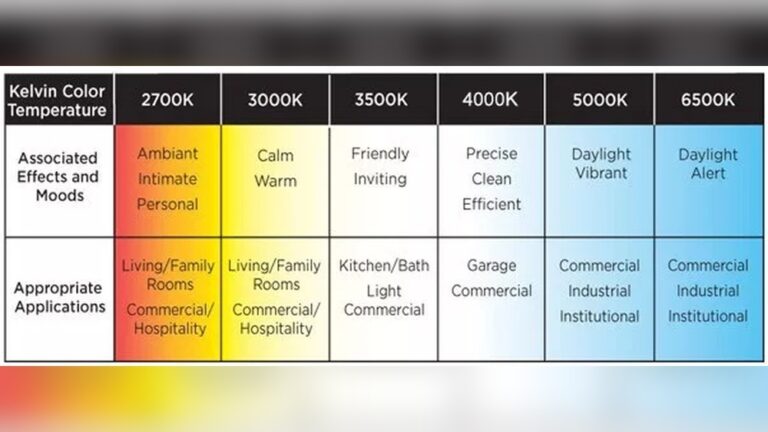
LED lights come in many color temperatures. You can find warm, soft yellows or cool, bright whites. This makes LEDs good for different rooms and moods. Traditional bulbs usually have a warm, yellowish light. They do not offer many color choices.
Cost Factors
Cost plays a big role in choosing between LED lights and traditional bulbs. Understanding the cost factors helps you decide what fits your budget and needs. Both types have different price points and savings over time.
Initial Price
Traditional bulbs usually cost less upfront than LED lights. You can buy them for a small price at any store. LED lights often have a higher initial price. This is because they use newer, more efficient technology. The cost gap is shrinking as LED production grows.
Long-term Savings
LED lights save money over time. They use less electricity than regular bulbs. This lowers your power bills month after month. LEDs also last much longer, reducing how often you replace them. Traditional bulbs burn out faster, costing more in the long run. Choosing LEDs means fewer purchases and lower energy costs.
Environmental Impact
The environmental impact of lighting choices matters for our planet. Different types of lights affect nature in various ways. LED lights and traditional bulbs use different materials and have different disposal processes. Understanding these differences helps us make eco-friendly decisions. Below, we explore how material use and disposal impact the environment.
Material Use
LED lights use fewer raw materials than traditional bulbs. They contain small amounts of metals like copper and aluminum. Traditional bulbs often use glass, tungsten, and mercury. Mercury is harmful to the environment and health. LEDs last longer, reducing the need for frequent replacements. This means less resource consumption over time.
Disposal And Recycling
Disposing of traditional bulbs can harm the environment. Mercury from broken bulbs can pollute soil and water. LEDs do not contain mercury, making them safer to discard. Recycling LED lights recovers valuable metals and reduces waste. Proper recycling helps prevent toxic waste from reaching landfills. It also saves energy by reusing materials.
Application Suitability
Choosing between LED lights and traditional bulbs depends on where you want to use them. Each type fits better in certain places. Understanding their application suitability helps you pick the right lighting for your needs. This section breaks down their uses inside and outside your home or office.
Indoor Uses
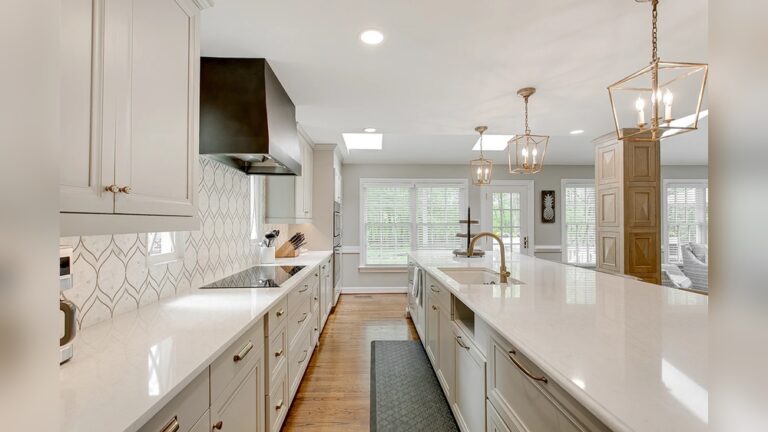
LED lights work well indoors. They provide bright, clear light. This makes reading and working easier. LED bulbs last longer than regular bulbs. They save money on replacements. LED lights produce less heat, so rooms stay cooler. Traditional bulbs give a softer, warmer light. People often use them for cozy spaces. They fit well in lamps and ceiling fixtures. But they use more energy and burn out faster. For kitchens and offices, LED lights are a smart choice. For bedrooms or living rooms, some prefer traditional bulbs for a warm feel.
Outdoor Uses
LED lights are better for outdoor use. They resist weather and temperature changes. LED bulbs handle rain, wind, and cold well. They also use less power, which is good for outdoor lighting. Streetlights, garden lights, and security lights often use LEDs. Traditional bulbs are not as strong outdoors. They can break or burn out quickly. Outdoor lights need to be bright and durable. LEDs meet these needs perfectly. They turn on instantly and can last for years. This makes them a reliable choice for outside spaces.
Maintenance And Durability
Maintenance and durability are key factors when choosing between LED lights and traditional bulbs. These aspects affect how often you need to change the light and how well it lasts over time. Understanding these differences helps in making a smarter choice for your lighting needs.
Handling And Replacement
LED lights are lightweight and solid, making them easy to handle. They do not have fragile filaments inside like traditional bulbs. This makes replacement safer and quicker. Traditional bulbs need careful handling to avoid breaking the thin glass. They also burn out faster, requiring more frequent changes.
Resistance To Damage
LED lights resist shocks and vibrations better than bulbs. They can withstand drops and bumps without losing function. Traditional bulbs are fragile and can break from small impacts. The glass and filament inside are easily damaged. LEDs last longer, reducing the need for replacements and lowering waste.
Frequently Asked Questions
What Is The Main Difference Between Led Light And Bulb?
LED light refers to the technology used, while a bulb is the physical device. LED bulbs use light-emitting diodes for illumination. Traditional bulbs use filaments or gas. LED bulbs are more energy-efficient and last longer than conventional bulbs.
Are Led Lights More Energy-efficient Than Bulbs?
Yes, LED lights consume significantly less energy than traditional bulbs. They convert most energy into light, wasting less as heat. This efficiency reduces electricity bills and environmental impact, making LEDs the preferred lighting option.
Can Led Bulbs Replace Traditional Bulbs Easily?
Yes, LED bulbs are designed to fit standard sockets and fixtures. They provide similar or better brightness and color options. Installation is simple, requiring no special tools or wiring changes. LEDs offer a convenient upgrade to traditional lighting.
Do Led Bulbs Last Longer Than Regular Bulbs?
LED bulbs typically last 15,000 to 50,000 hours, much longer than incandescent bulbs. This longevity reduces replacement frequency and maintenance costs. LED durability also means fewer bulbs end up in landfills, supporting sustainability.
Conclusion
LED lights use less energy and last much longer than bulbs. Bulbs are cheaper but waste more power. LED lights stay cool, while bulbs get hot. Choosing LED saves money and helps the environment. Think about your needs and budget before buying.
Small changes in lighting can make a big difference. Bright, efficient, and durable—that’s the LED advantage. Simple facts to help you decide the best light for your home.

Alex Navarro
Hi, I'm leds.to, the founder of the world's #1 LED lighting review site. At leds.to, we strive to provide you with the most comprehensive and reliable reviews on LED lighting products. Whether you're looking for car LEDs, super bright LEDs, or even grow light LEDs, you'll find all the information you need right here on our site. With years of experience in the industry, I'll guide you towards making the best purchasing decisions for your lighting needs. Trust me to shed light on the world of LEDs and help you find the perfect lighting solutions.