
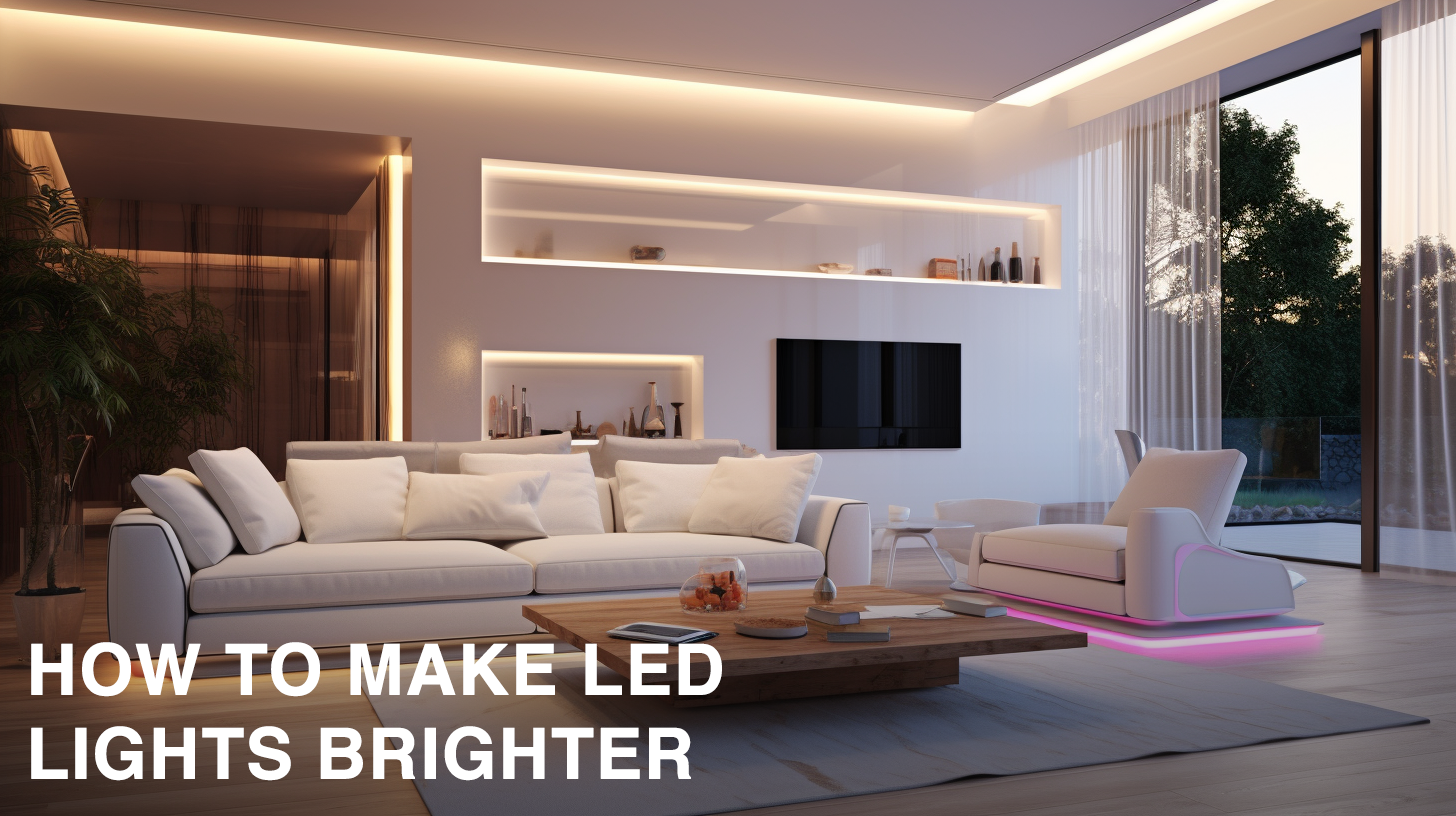
How to Make Led Lights Brighter: Simple Tips for Stunning Glow
Affiliate links — we may earn a commission
Are your LED lights not shining as brightly as you want? You’re not alone.
Many people struggle with dim LEDs that don’t give off enough light. But what if you could boost your LED brightness easily and safely? Imagine your rooms glowing with clearer, stronger light that makes every detail stand out. You’ll discover simple, effective ways to make your LED lights brighter and improve your space instantly.
Keep reading—you’re just steps away from lighting up your world like never before.
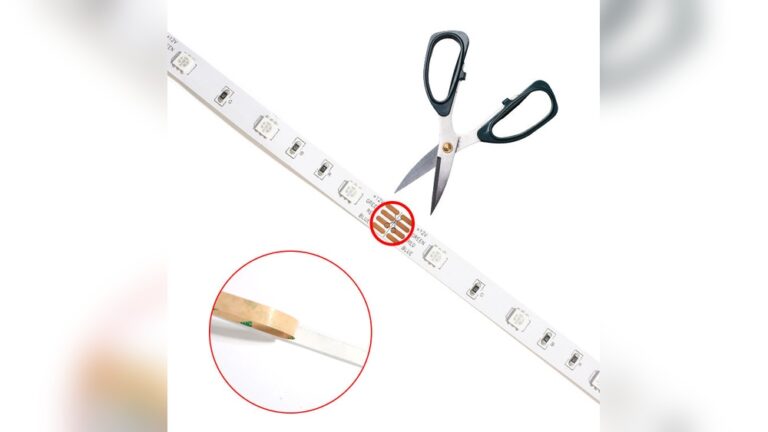
Choose High-quality Leds
Choosing high-quality LEDs is the first step to brighter lights. Good LEDs last longer and give better light output. They use power efficiently, which saves energy and money. Quality LEDs also reduce flicker and provide stable brightness. Selecting the right LEDs affects the overall brightness and performance of your lighting setup.
Select Leds With Higher Lumens
Brightness depends on lumens, not watts. Higher lumens mean brighter light. Look for LEDs that list their lumen output clearly. A bulb with 800 lumens is brighter than one with 400 lumens. Pick LEDs with enough lumens to suit your space and needs.
Opt For Reliable Brands
Trusted brands ensure good quality and durability. They test their LEDs for consistency and safety. Cheap or unknown brands may produce dim or uneven light. Reliable brands also offer warranties and better customer support. Choose brands with positive reviews and proven performance.
Check Color Temperature
Color temperature affects how bright light feels. Cooler temperatures (5000K to 6500K) appear brighter and more daylight-like. Warmer temperatures (2700K to 3000K) give softer, yellowish light. For maximum brightness, select LEDs with cooler color temperatures. Match the color temperature to your room’s purpose.
Improve Power Supply
Improving the power supply is key to making LED lights brighter. LED bulbs need the right power to shine at their best. Poor or unstable power can make them dim or flicker. This section explains simple steps to improve power supply for brighter LEDs.
Use Proper Voltage
LED lights work best at their rated voltage. Using too low voltage makes them dim. Too high voltage can damage LEDs and reduce brightness. Check the LED label for voltage needs. Use a power source that matches this voltage exactly. This keeps LED brightness steady and safe.
Upgrade To A Stable Driver
A driver controls the power to the LED. A good driver gives steady current without drops. Cheap or old drivers cause flicker and dim light. Choose a driver made for your LED type. A stable driver improves brightness and extends LED life.
Avoid Power Fluctuations
Power changes can hurt LED brightness. Fluctuations cause flickering and stress the LED. Use surge protectors to stop sudden power spikes. Avoid sharing circuits with heavy machines. Stable power means brighter and longer-lasting LED lights.
Optimize Led Placement
Optimizing LED placement improves light brightness and efficiency. Proper positioning lets you use LEDs to their full potential. Small changes in placement make a big difference in brightness. Focus on distance, angle, and clear paths for light to shine.
Reduce Distance From Surface
Place LEDs closer to the surface for stronger light. The shorter the distance, the less light loss occurs. Keep LEDs near walls or objects to brighten them well. Avoid placing lights too far away to prevent dimness.
Adjust Angle For Maximum Light
Tilt LEDs toward the area you want to light. Aim lights to spread brightness evenly across the surface. Adjust angles slowly and watch how brightness changes. Proper angles help direct light where it matters most.
Avoid Obstructions
Remove any objects blocking the LED light path. Shadows or blocks reduce brightness and waste power. Keep the area around LEDs clear for best results. Check for furniture or plants that might block the light.
Enhance Heat Dissipation
LED lights get hot during use. Heat lowers their brightness and life. Enhancing heat dissipation helps keep LEDs cool. Cooler LEDs shine brighter and last longer. Focus on ways to remove heat fast.
Use Heat Sinks
Heat sinks draw heat away from LEDs. They are metal parts with fins or ridges. More surface area means better heat loss. Attach heat sinks firmly to LED bases. This stops LEDs from overheating and dims less.
Ensure Proper Ventilation
Good airflow moves heat away quickly. Place LEDs in open spaces or vents. Avoid tight boxes or covers without air gaps. Fans or vents help air flow around LEDs. Cooler air keeps LEDs bright and safe.
Avoid Overdriving Leds
Do not supply more power than LEDs need. Extra current creates more heat inside LEDs. This heat lowers brightness and damages parts. Use correct voltage and current for each LED. Safe power levels protect brightness and lifespan.
Clean And Maintain Leds
Keeping LED lights clean and well-maintained helps them shine brighter. Dirt and dust can cover the surface and reduce light output. Small problems with connections or parts can also lower brightness. Taking time to clean and check your LEDs will improve their performance and lifespan.
Remove Dust And Dirt
Dust and dirt block the light from shining fully. Use a soft cloth or a brush to gently wipe the LED surface. Avoid water or harsh chemicals that might damage the lights. Clean the LEDs regularly to keep them bright and clear.
Regularly Inspect Connections
Loose or dirty connections can cause flickering or dim light. Check all wires and plugs for secure fit and cleanliness. Tighten any loose parts. Clean connectors with a dry cloth to ensure good contact and steady light output.
Replace Damaged Components
Broken parts can reduce brightness or stop the light from working. Look for cracks, burn marks, or broken wires. Replace any damaged bulbs, wires, or drivers quickly. New parts help the LED work at full brightness again.

Utilize Reflectors And Diffusers
Using reflectors and diffusers can make LED lights brighter and more effective. Reflectors bounce light back toward the desired area. Diffusers spread light evenly, reducing harsh spots. Together, they improve light quality without extra power.
Add Reflective Surfaces
Place shiny surfaces behind or around the LED light. Surfaces like aluminum foil or white paint reflect light well. This reflection pushes more light forward. It increases brightness without changing the LED itself.
Use Diffusers For Even Glow
Diffusers soften the light from LEDs. Materials like frosted glass or plastic work well. They reduce glare and harsh shadows. This creates a smooth, even glow that feels natural.
Combine With Ambient Lighting
Use reflectors and diffusers with other light sources. Soft ambient light helps balance LED brightness. This mix enhances the overall lighting in the room. It creates a comfortable and inviting space.
Frequently Asked Questions
How Can I Increase Led Brightness Safely?
Use higher quality LEDs or increase current within safe limits. Avoid exceeding voltage ratings to prevent damage. Proper heat dissipation also helps maintain brightness and LED lifespan.
What Voltage Is Best For Brighter Led Lights?
LED brightness depends on current, not voltage alone. Use a constant current driver matching LED specs. Slightly increasing voltage within the LED’s range can increase brightness safely.
Does Changing Led Color Affect Brightness?
Yes, different colors have varying brightness due to wavelength efficiency. White and blue LEDs often appear brighter than red or green ones under similar conditions.
Can I Use A Reflector To Boost Led Brightness?
Yes, reflectors or diffusers can focus or spread LED light effectively. They enhance perceived brightness without increasing power consumption, improving overall illumination.
Conclusion
Brighter LED lights make any space feel more lively and clear. You can adjust brightness by choosing the right bulbs and power sources. Simple changes, like cleaning the lights or adding reflectors, also help. Check your wiring and connections often to keep brightness steady.
Small steps bring big improvements. Bright lights save energy and last longer too. Try these tips to enjoy better lighting every day. Brightness is easy to improve with a little care.

Alex Navarro
Hi, I'm leds.to, the founder of the world's #1 LED lighting review site. At leds.to, we strive to provide you with the most comprehensive and reliable reviews on LED lighting products. Whether you're looking for car LEDs, super bright LEDs, or even grow light LEDs, you'll find all the information you need right here on our site. With years of experience in the industry, I'll guide you towards making the best purchasing decisions for your lighting needs. Trust me to shed light on the world of LEDs and help you find the perfect lighting solutions.