
Pros And Cons of Led Strip Lights: Ultimate Guide to Brighten Spaces
Affiliate links — we may earn a commission
Are you thinking about adding LED strip lights to your space but aren’t sure if they’re the right choice? LED strip lights can transform any room with vibrant colors and flexible designs, but like anything, they come with both benefits and drawbacks.
Before you make your decision, it’s important to understand exactly what you’re getting into. You’ll discover the key pros and cons of LED strip lights so you can make a smart choice that fits your style and needs perfectly. Keep reading to find out how these lights can brighten your life—and what to watch out for.
Benefits Of Led Strip Lights
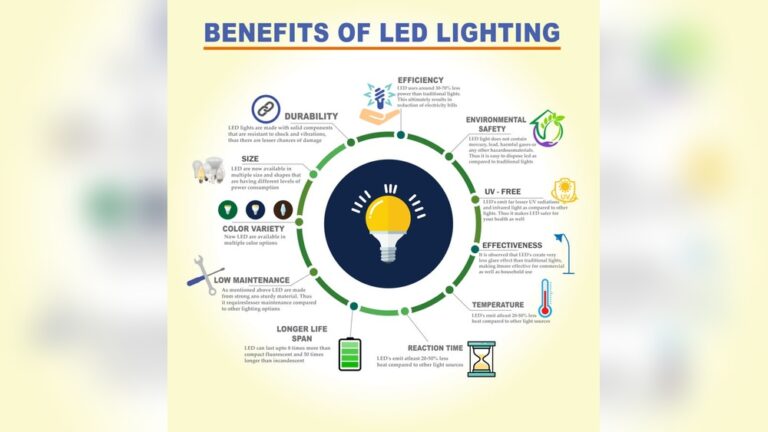
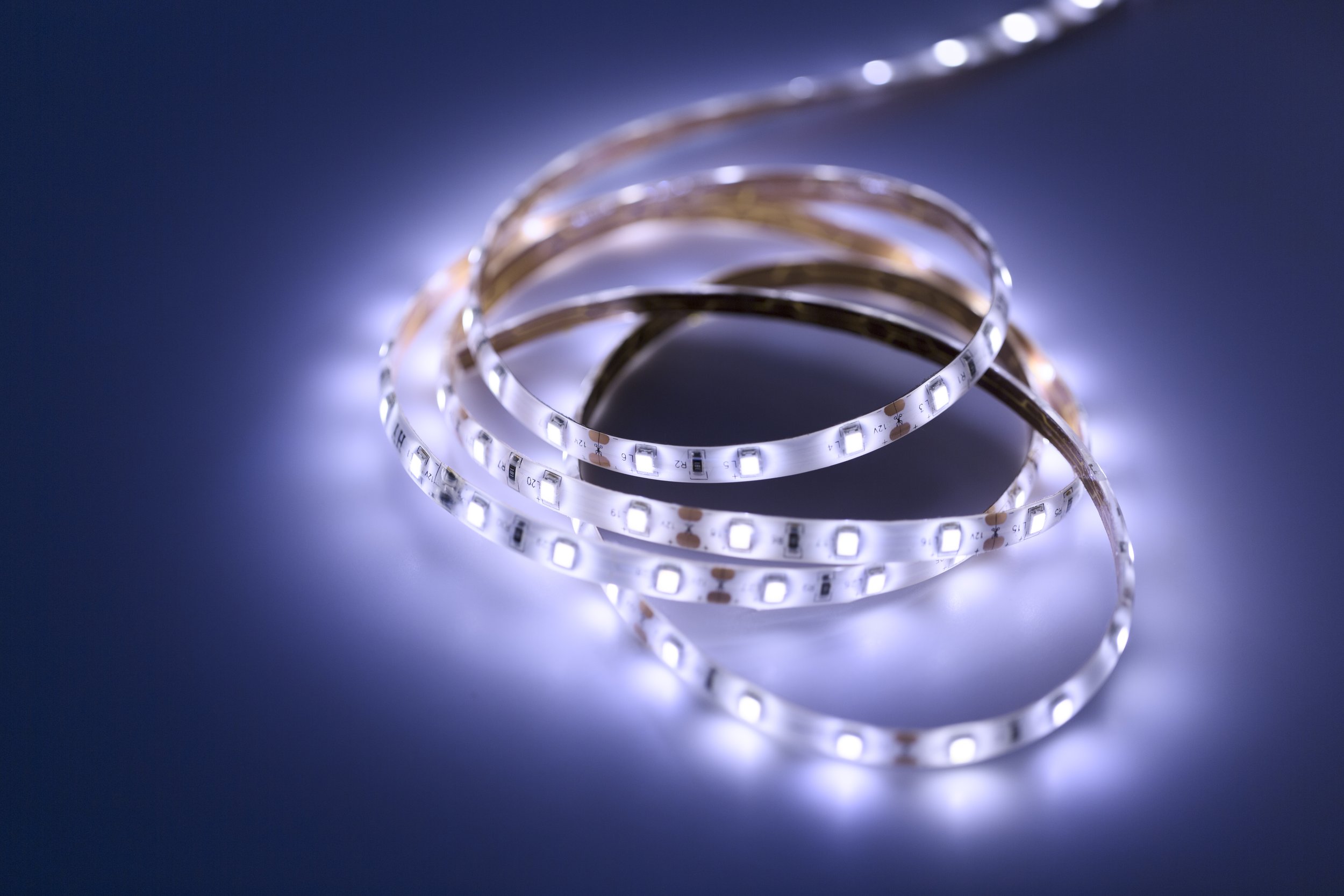
LED strip lights offer many benefits that make them popular for homes and businesses. They save energy, last a long time, and come in many styles. These features help create beautiful lighting without much effort or cost. Below are some key benefits of using LED strip lights.
Energy Efficiency
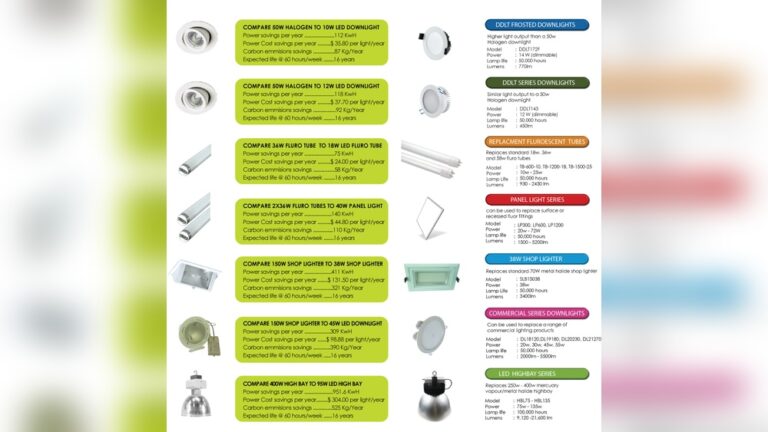
LED strip lights use less electricity than traditional bulbs. They consume very little power while providing bright light. This helps lower energy bills and reduces the impact on the environment.
Long Lifespan
These lights last much longer than regular bulbs. You can expect them to work for tens of thousands of hours. This means fewer replacements and less hassle over time.
Flexible Design Options
The strips are thin and bendable. You can place them around corners, under cabinets, or inside shelves. This flexibility allows creative lighting designs in many spaces.
Easy Installation
Most LED strip lights come with adhesive backing. You just peel and stick them where you want. No need for special tools or wiring skills.
Variety Of Colors And Effects
LED strips offer many colors and lighting modes. Choose from warm white to bright colors. Some strips can even change colors or flash, adding fun effects.
Low Heat Emission
These lights produce very little heat. They stay cool to the touch, making them safe around children and pets. They also reduce fire risks compared to other lights.

Drawbacks Of Led Strip Lights
LED strip lights offer many benefits but also have some drawbacks. Knowing these helps you make the right choice. This section covers the main downsides of LED strip lights.
Initial Cost
LED strip lights can cost more upfront than traditional lighting. The price depends on length, quality, and features. This higher initial cost may not suit tight budgets.
Quality Variations
Not all LED strip lights are the same. Low-quality strips may dim quickly or fail early. Choosing good brands is important for long-lasting use.
Limited Brightness Compared To Bulbs
LED strips usually produce less light than regular bulbs. They work best for accent or mood lighting. For bright, main lighting, bulbs might be better.
Potential For Overheating
Poor installation or cheap strips can cause overheating. This reduces lifespan and may create safety risks. Proper use and ventilation help avoid this problem.
Complexity In Cutting And Connecting
Cutting and joining LED strips require care and skill. Mistakes can cause parts to stop working. Basic knowledge and tools are needed for adjustments.
Dependence On Power Supply
LED strips need a stable power source to work well. Power surges or outages can damage the lights. Using the right adapter and surge protector helps protect them.
Choosing The Right Led Strip Lights
Choosing the right LED strip lights can make a big difference in your space. The right choice depends on where and how you plan to use them. Consider the type, brightness, color, and other features. This helps you get the best look and function.
Types Of Led Strip Lights
LED strip lights come in various types. Single-color strips show one color only. RGB strips can change colors and create effects. Some strips offer full RGB plus white light for more options. Pick a type that fits your style and needs.
Brightness And Color Temperature
Brightness is measured in lumens. Higher lumens mean brighter light. Choose brightness based on the room size and purpose. Color temperature affects mood. Warm white feels cozy. Cool white looks bright and clean. Select a color that suits your space.
Waterproof Vs. Non-waterproof
Waterproof LED strips work well outdoors or in damp areas. Non-waterproof strips are best for dry, indoor use. Check the IP rating for water resistance. Higher ratings mean better protection. Match the strip type to your installation spot.
Power Requirements
LED strips need the right power supply. Check the voltage and wattage before buying. Using the wrong power source can cause flickering or damage. Longer strips may need more power or multiple supplies. Plan your setup carefully to avoid issues.
Control Options
Control options vary from simple switches to remote controls. Some strips connect to apps for phone control. Others work with smart home devices like Alexa or Google. Choose controls that fit your convenience and tech comfort.
Common Applications
LED strip lights are popular for many uses. Their flexibility and bright colors make them useful in various places. They fit well in homes, shops, outdoors, and work areas. Understanding common uses helps choose the right lighting for each space.
Home Ambiance
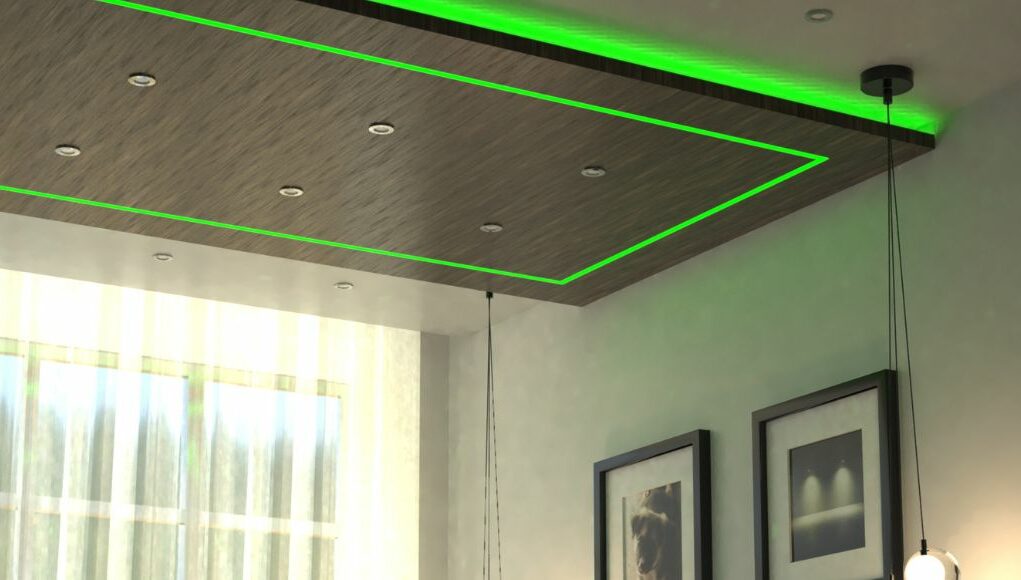
LED strip lights create a cozy mood in rooms. They work under cabinets, behind TVs, and along stairs. Soft lighting adds warmth and style. Easy to install and energy-saving too. Perfect for living rooms, bedrooms, and kitchens.
Commercial Spaces
Stores and offices use LED strips to attract attention. Bright lines highlight products and signs. They improve visibility and create a modern look. Long-lasting and low maintenance save money. Ideal for shelves, counters, and ceilings.
Outdoor Lighting
Weatherproof LED strips light up gardens and patios. They outline paths and decks safely at night. Different colors set festive or calm moods. Durable materials resist rain and dust. Great for parties or relaxing evenings outside.
Accent And Task Lighting
LED strips focus light on specific areas. They brighten work desks and kitchen counters. Sharp light helps with detailed tasks. Thin strips fit tight spaces easily. Useful in workshops, study areas, and crafting zones.
Maintenance Tips
LED strip lights are easy to maintain, but they need regular care. Proper maintenance keeps them bright and working longer. Simple steps help avoid common problems and save money.
Cleaning And Care
Dust and dirt reduce LED brightness. Clean strips gently with a soft, dry cloth. Avoid water or harsh chemicals that damage the lights. Check the adhesive tape regularly. Replace it if it loses stickiness to keep strips in place.
Troubleshooting Common Issues
Sometimes, LEDs flicker or stop working. Check the power supply first. Loose connections cause many problems. Make sure all wires are tight and secure. Replace damaged sections to fix broken lights. Use a multimeter to test electrical flow if needed.
Extending Lifespan
Avoid bending LED strips sharply. Gentle curves prevent damage to the circuit. Keep lights away from heat sources to stop overheating. Turn off strips when not in use to save energy. Proper installation and care ensure LEDs last for years.
Frequently Asked Questions
What Are The Main Benefits Of Led Strip Lights?
LED strip lights are energy-efficient, long-lasting, and versatile. They offer customizable colors and brightness, making them ideal for decoration and task lighting. Their slim design fits tight spaces, and they produce minimal heat, ensuring safety and comfort in any room.
Are Led Strip Lights Cost-effective In The Long Run?
Yes, LED strip lights save money over time. They consume less electricity and have a longer lifespan than traditional bulbs. This reduces replacement and energy costs, making them a budget-friendly lighting option for homes and businesses.
Can Led Strip Lights Be Used Outdoors Safely?
Many LED strip lights are designed for outdoor use with waterproof coatings. Ensure you choose IP65 or higher-rated strips for weather resistance. Proper installation and protection from extreme elements will maximize their durability outside.
Do Led Strip Lights Affect Room Ambiance?
LED strip lights enhance ambiance with adjustable colors and brightness. They create mood lighting, highlight features, and add style. Their flexibility allows customization to suit any setting or occasion, improving the overall atmosphere.
Conclusion
LED strip lights offer bright, flexible lighting for many spaces. They save energy and last long, cutting down costs. Still, they may need careful installation and sometimes lack strong brightness. Choosing the right type depends on your needs and budget.
Think about where and how you want to use them. With the right choice, LED strips can add style and light to any room. Simple, smart lighting is within reach.

Alex Navarro
Hi, I'm leds.to, the founder of the world's #1 LED lighting review site. At leds.to, we strive to provide you with the most comprehensive and reliable reviews on LED lighting products. Whether you're looking for car LEDs, super bright LEDs, or even grow light LEDs, you'll find all the information you need right here on our site. With years of experience in the industry, I'll guide you towards making the best purchasing decisions for your lighting needs. Trust me to shed light on the world of LEDs and help you find the perfect lighting solutions.