
How to Led Light Strips: Ultimate Guide to Brighten Your Space
Affiliate links — we may earn a commission
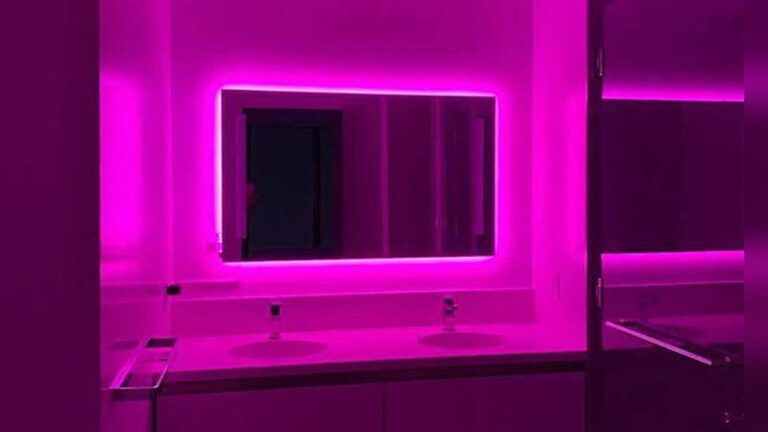
Are you looking to add a splash of color and style to your space? LED light strips are the perfect way to transform any room quickly and easily.
But how do you install and use them effectively? In this guide, you’ll discover simple steps to set up your LED light strips like a pro. Whether you want cozy lighting for your bedroom or vibrant accents for your living room, you’ll learn how to make your space shine.
Keep reading, and you’ll have your LED lights glowing just the way you want in no time!

Choosing The Right Led Light Strips
Choosing the right LED light strips is important for your project’s success. The right strip makes your space look great. It also saves energy and lasts longer. You must think about where you will use the lights. Indoor or outdoor? Brightness and color needs vary. Understanding key factors helps pick the best LED strip.
Types Of Led Strips
LED strips come in different types. Single-color strips show one color only. They are simple and cost less. RGB strips offer many colors. You can change colors with a remote. Some strips have RGBW, which adds white light. This gives better color options and brightness. Choose a type based on your mood and use.
Brightness And Color Options
Brightness is measured in lumens. Higher lumens mean brighter light. Think about the room size and purpose. Soft light works well for relaxing spaces. Bright light suits work or study areas. Color temperature changes the feel too. Warm white gives a cozy look. Cool white feels fresh and modern. Pick brightness and color that match your style.
Waterproof Vs Non-waterproof
Waterproof LED strips are good for wet places. Use them outdoors or in bathrooms. They have a protective layer to stop water damage. Non-waterproof strips suit dry indoor areas. They are cheaper but less durable in moist spots. Check the IP rating for water resistance. IP65 or higher means better protection. Choose based on where you plan to install the strips.

Tools And Materials Needed
Setting up LED light strips requires a few basic tools and materials. These items help you connect, power, and mount the lights safely and effectively. Having the right supplies makes the installation smoother and the lights work better.
Power Supplies And Adapters
LED light strips need a power source to work. Choose a power supply that matches the voltage of your LED strip. Most strips use 12V or 24V power supplies. Make sure the adapter can provide enough current for the total length of your strip. Using the wrong power supply can damage the lights or cause flickering.
Connectors And Controllers
Connectors join different sections of LED strips or link strips to the power supply. They come in various shapes and sizes. Controllers let you change colors, brightness, and patterns. Some controllers work with remote controls or smartphone apps. Pick connectors and controllers that fit your strip’s type and size.
Mounting Accessories
Mounting accessories hold your LED strips in place. Double-sided tape is common and easy to use. For stronger support, use clips or brackets. Make sure the surface is clean and dry before mounting. Proper mounting keeps the strips secure and prevents damage over time.
Preparing Your Space
Preparing your space is the first step to a successful LED light strip installation. A well-planned area ensures the lights fit perfectly and look great. It also helps avoid mistakes and saves time during setup.
Measuring And Planning Layout
Measure the length of the area where you want to install the LED strips. Use a tape measure for accuracy. Mark the spots where the lights will go. Plan the path and note any corners or obstacles. This step helps you buy the right amount of LED strip and avoid cuts.
Cleaning Surfaces
Clean the surface before sticking the LED strips. Dust and dirt reduce the adhesive’s strength. Use a damp cloth or rubbing alcohol to wipe the area. Let it dry completely before applying the lights. Clean surfaces keep the LED strips in place longer.
Safety Precautions
Ensure the power is off before installation. Avoid installing near water or damp places unless the strips are waterproof. Use a voltage tester if needed. Handle LED strips gently to prevent damage. Follow manufacturer instructions carefully to stay safe.
Installing Led Light Strips
Installing LED light strips is a simple way to brighten any space. These strips can fit under cabinets, behind TVs, or along ceilings. Proper installation ensures the lights look neat and work well. Follow easy steps to cut, connect, mount, and hide wires for a clean finish.
Cutting And Connecting Strips
LED strips usually have marked cutting points. Cut only at these marks to avoid damage. Use sharp scissors or a craft knife for clean cuts. To connect strips, use clip connectors or solder wires carefully. Check polarity before connecting to avoid errors. Connectors make joining strips quick and secure.
Mounting Techniques
Most LED strips come with adhesive backing. Peel off the tape and press the strip firmly on a clean surface. For uneven or rough surfaces, use mounting clips or brackets. Avoid mounting near heat sources to keep lights safe. Plan the layout before sticking the strips to ensure even lighting.
Securing And Hiding Wires
Keep wires tidy by routing them along edges or corners. Use cable clips or adhesive tape to hold wires in place. Hide wires behind furniture or inside cable channels for a neat look. Avoid loose wires to prevent tripping hazards. Proper wire management extends the life of your LED installation.
Controlling And Customizing Lights
Controlling and customizing LED light strips makes them more useful and fun. You can change colors, brightness, and modes easily. This lets you create the perfect mood for any room or event.
Different tools help you control your lights. Some are simple and direct. Others offer more options and smart features. Here are some common ways to manage your LED light strips.
Using Remote Controls
Remote controls are common with many LED light strips. They let you turn lights on and off from a distance. You can also change colors and brightness fast. Some remotes offer preset modes like flashing or fading. This method is simple and does not need apps or Wi-Fi.
Smartphone Apps And Integration
Many LED strips work with smartphone apps. These apps provide more control options. You can pick from millions of colors and adjust brightness smoothly. Some apps connect to smart home devices like Alexa or Google Home. This lets you use voice commands to control the lights. Apps also allow you to save your favorite settings for quick access.
Setting Schedules And Effects
Scheduling lights can save energy and enhance comfort. Apps often let you set timers for turning lights on or off. You can plan lights to wake you up or create a relaxing evening mood. Special effects like color changes and patterns add fun. You can choose effects that match music or your daily routine.
Troubleshooting Common Issues
Troubleshooting LED light strips is a common task for many users. Problems can arise from different causes. Knowing how to fix these issues saves time and money. This section covers simple ways to solve frequent problems with LED light strips.
Fixing Flickering Lights
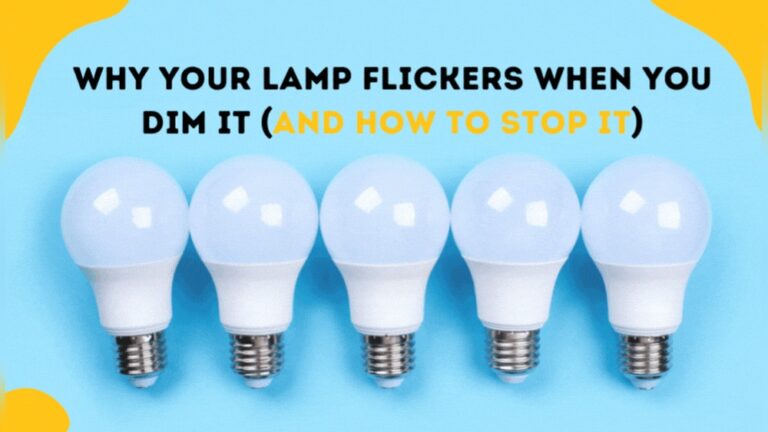
Flickering lights often mean a loose connection. Check if the strip is firmly connected to the power source. Look for damaged wires or connectors. Cleaning the connectors with a dry cloth can help. Sometimes, the power supply cannot deliver enough current. Using a stronger power supply may stop flickering. Make sure the strip and power supply match in voltage and wattage.
Dealing With Power Problems
Power issues cause strips to not turn on or work intermittently. Confirm the power adapter is plugged in and switched on. Test the outlet with another device to ensure it works. Use a multimeter to check the power output. If the voltage is too low or unstable, replace the adapter. Avoid long extension cords that reduce power. Keep the power supply away from heat or moisture to avoid damage.
Replacing Damaged Sections
LED strips can get damaged by bending or cutting. Identify the damaged section by looking for dark spots or no light. Most strips allow cutting at marked points only. Cut carefully along these marks. Use connectors or solder wires to join new sections. Make sure connections are secure and insulated. Test the strip after replacement to confirm it works well.
Creative Ideas For Led Strip Lighting
LED strip lights offer endless ways to brighten up spaces. They fit in many spots and create a cozy mood. Using LED strips makes rooms look stylish and modern. Here are some creative ideas to use them well.
Accent Lighting For Rooms
Place LED strips under shelves or cabinets for soft glows. They highlight objects and add depth to walls. Try lining stair edges or baseboards to guide your path. Use warm lights to create a calm, inviting space.
Backlighting For Tvs And Monitors
Attach LED strips behind screens to reduce eye strain. The light softens the contrast between screen and room. Choose colors that match your decor or change with your mood. This simple trick improves viewing comfort.
Outdoor And Garden Applications
Use waterproof LED strips around patios or decks for evening fun. Light up pathways or flower beds to show off your garden. Solar-powered options save energy and work well outside. They create a magical outdoor atmosphere.

Maintaining Led Light Strips
Maintaining LED light strips helps keep them bright and working well. Proper care avoids damage and saves money on replacements. Small actions can make a big difference in performance and lifespan.
Cleaning Tips
Turn off the LED strips before cleaning. Use a soft, dry cloth to wipe dust and dirt. Avoid using water or harsh chemicals. Clean gently to prevent damage to the lights and wiring.
Extending Lifespan
Keep LED strips away from heat and moisture. Use a suitable power supply to avoid electrical issues. Avoid bending the strips sharply to prevent breaks. Turn off strips when not in use to save energy and reduce wear.
Upgrading And Expanding
Choose compatible LED strips for easy expansion. Use connectors designed for your strip type. Add new strips carefully to maintain uniform light. Upgrading can improve brightness and color options without replacing everything.
Frequently Asked Questions
What Tools Do I Need To Install Led Light Strips?
You need scissors, a power supply, connectors, and mounting tape. Optionally, use a soldering kit for custom lengths. A measuring tape helps ensure accurate placement. These tools simplify installation and ensure a secure fit.
How To Cut Led Light Strips Safely?
Cut only at designated cut marks on the strip. Use sharp scissors or a craft knife. Avoid cutting through LEDs or circuitry to prevent damage. Follow manufacturer instructions to maintain strip functionality.
Can Led Strips Be Dimmed Or Controlled Remotely?
Yes, most LED strips support dimming and remote control. Use compatible dimmer switches or smart controllers. Some strips connect via Wi-Fi or Bluetooth for app control. This enhances lighting flexibility and ambiance customization.
How To Connect Multiple Led Light Strips Together?
Use compatible connectors or solder wires between strips. Ensure the power supply can handle total wattage. Connect strips in parallel for consistent brightness. Proper connections prevent voltage drops and flickering.
Conclusion
LED light strips bring style and light to any space. They are easy to install and use. Choose the right strip for your needs. Cut and connect strips carefully for safety. Use proper power supplies to avoid issues. Brighten rooms, highlight features, or create mood lighting.
Small changes make big differences in your home. Enjoy the glow and save energy at the same time. Start your LED strip project today and see the change. Simple steps lead to great results.

Alex Navarro
Hi, I'm leds.to, the founder of the world's #1 LED lighting review site. At leds.to, we strive to provide you with the most comprehensive and reliable reviews on LED lighting products. Whether you're looking for car LEDs, super bright LEDs, or even grow light LEDs, you'll find all the information you need right here on our site. With years of experience in the industry, I'll guide you towards making the best purchasing decisions for your lighting needs. Trust me to shed light on the world of LEDs and help you find the perfect lighting solutions.