
What Led Lights Mean: Unlocking Their True Benefits Today
Affiliate links — we may earn a commission
Have you ever wondered what LED lights really mean and why they have become so popular? Whether you’re thinking about upgrading your home lighting or just curious about this buzzword, understanding LED lights can save you money and improve your space.
You’ll discover what LED lights are, how they work, and why they might be the perfect choice for your next lighting decision. Keep reading to unlock the surprising benefits that LED lights can bring to your life.
Led Light Basics
LED lights have changed how we light homes and offices. They last longer and use less power than old bulbs. Understanding the basics helps you pick the right LED light for your needs. This section explains how LED lights work, their types, and why they save energy.
How Leds Work
LED stands for light-emitting diode. It creates light when electricity passes through a tiny chip. This chip is made of special materials that give off light quickly. Unlike old bulbs, LEDs do not use filaments or gas to make light. They turn electricity into light more directly and with less heat.
Types Of Led Lights
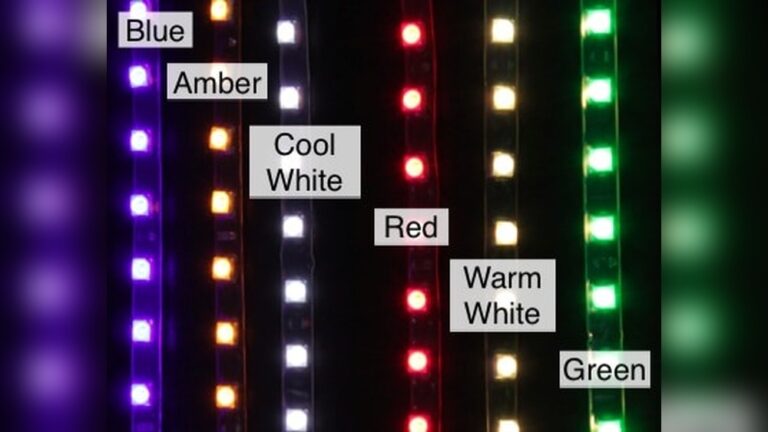
LED lights come in many shapes and sizes. Some are small and used in screens or indicators. Others are bigger for room lighting. Common types include bulbs, strips, and panels. Each type fits different uses, like reading lamps or outdoor lights. You can find LEDs in many colors too, not just white.
Energy Efficiency Explained
LEDs use less electricity than traditional bulbs. They turn most energy into light, not heat. This means they need less power to shine brightly. Using LED lights lowers your electric bills. It also reduces the need to change bulbs often. Energy efficiency makes LEDs a smart choice for saving money and the environment.
Benefits Of Led Lighting
LED lighting offers many benefits that improve homes and businesses. These lights use less energy and last longer than traditional bulbs. People choose LED lights for their efficiency and reliability.
LED lights lower electricity bills and reduce maintenance costs. They also help protect the environment by using fewer resources. Their strong build makes them ideal for many settings.
Cost Savings Over Time
LED lights use much less electricity than regular bulbs. This cuts down monthly energy bills. They also need fewer replacements. That means less money spent on buying new bulbs.
Environmental Impact
LED lights reduce carbon emissions because they use less power. They contain no harmful chemicals like mercury. This makes them safer to dispose of. Using LEDs helps reduce waste and pollution.
Longevity And Durability
LED bulbs last many years longer than traditional bulbs. They can handle shocks and vibrations better. This makes them great for busy or outdoor places. Less frequent bulb changes save time and effort.
Applications Of Led Lights
LED lights have many uses across different places. They save energy and last long. People choose LED lights for homes, businesses, and outdoor areas. Their flexibility makes them suitable for many lighting needs. Here are some common applications of LED lights.
Residential Uses
LED lights brighten rooms with less power. They fit in lamps, ceiling lights, and under cabinets. Many use LEDs for kitchen, living room, and bedroom lighting. LEDs also work well for night lights and reading lamps. Their low heat makes them safe for children’s rooms.
Commercial And Industrial Settings
Businesses use LED lights to cut electricity costs. Factories and warehouses prefer LEDs for strong, clear light. Offices use LED panels for bright and even lighting. Shops display products better with LEDs. LEDs help create a good atmosphere and improve work focus.
Outdoor And Landscape Lighting
LEDs shine on streets, parks, and parking lots. They help keep outdoor areas safe at night. Garden lights use LEDs to highlight plants and paths. LED floodlights protect homes and buildings. Their weather resistance makes LEDs ideal for outdoor use.
Choosing The Right Led Lights
Choosing the right LED lights can change how your space looks and feels. Picking the perfect bulb depends on several key factors. Understanding brightness, color, smart features, and installation helps you make a good choice. This guide explains these points in simple terms.
Brightness And Color Temperature
Brightness shows how much light a bulb gives. It is measured in lumens. Higher lumens mean brighter light. Choose brightness based on the room size and use.
Color temperature tells if light feels warm or cool. Warm light is yellowish and cozy. Cool light is white or blueish and clear. Use warm light for relaxing rooms, cool light for work areas.
Smart Led Options
Smart LEDs connect to your phone or voice assistant. You can change colors, dim the light, or set schedules. These bulbs add convenience and save energy. They work well in living rooms and bedrooms.
Compatibility And Installation
Check if the LED fits your lamp or fixture. Look at the bulb base size and shape. Some LEDs need special dimmers or switches. Installing LEDs is easy but read instructions before starting.
Common Misconceptions About Leds
Many people have wrong ideas about LED lights. These ideas stop them from using LEDs. This section clears up common wrong beliefs about LED lighting. Learn facts about light quality, health, safety, cost, and value.
Myths About Light Quality
Some think LED lights give poor light. They say LEDs are too cold or harsh. Modern LEDs provide warm, soft light. They come in many colors and brightness levels. LEDs can match or beat old bulbs in quality. No need to worry about dull or strange light.
Concerns Over Health And Safety
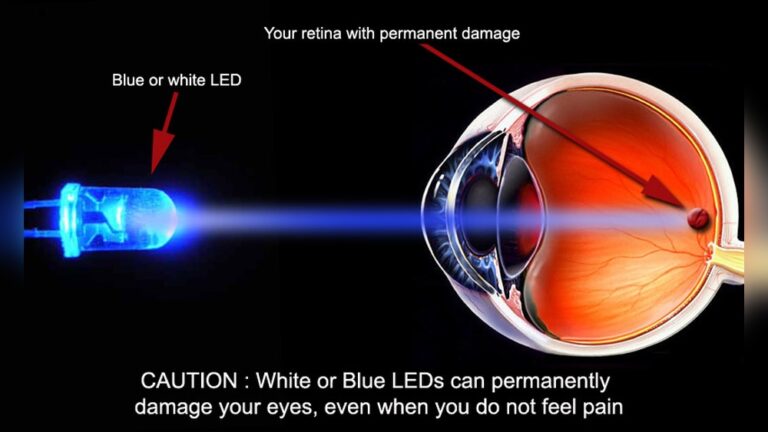
People worry LEDs might hurt eyes or health. Some say LED light causes headaches or eye strain. Proper LED lighting uses safe levels of blue light. LEDs do not emit harmful UV rays. They are cool to touch and do not break easily. LEDs are safe for homes and workplaces.
Cost Vs. Value Considerations
LEDs cost more upfront than old bulbs. This scares some buyers away. LEDs last much longer and use less energy. They save money on electricity and replacements. Over time, LEDs are cheaper than other lights. The higher price is worth the long-term savings.
Frequently Asked Questions
What Do Led Light Colors Indicate?
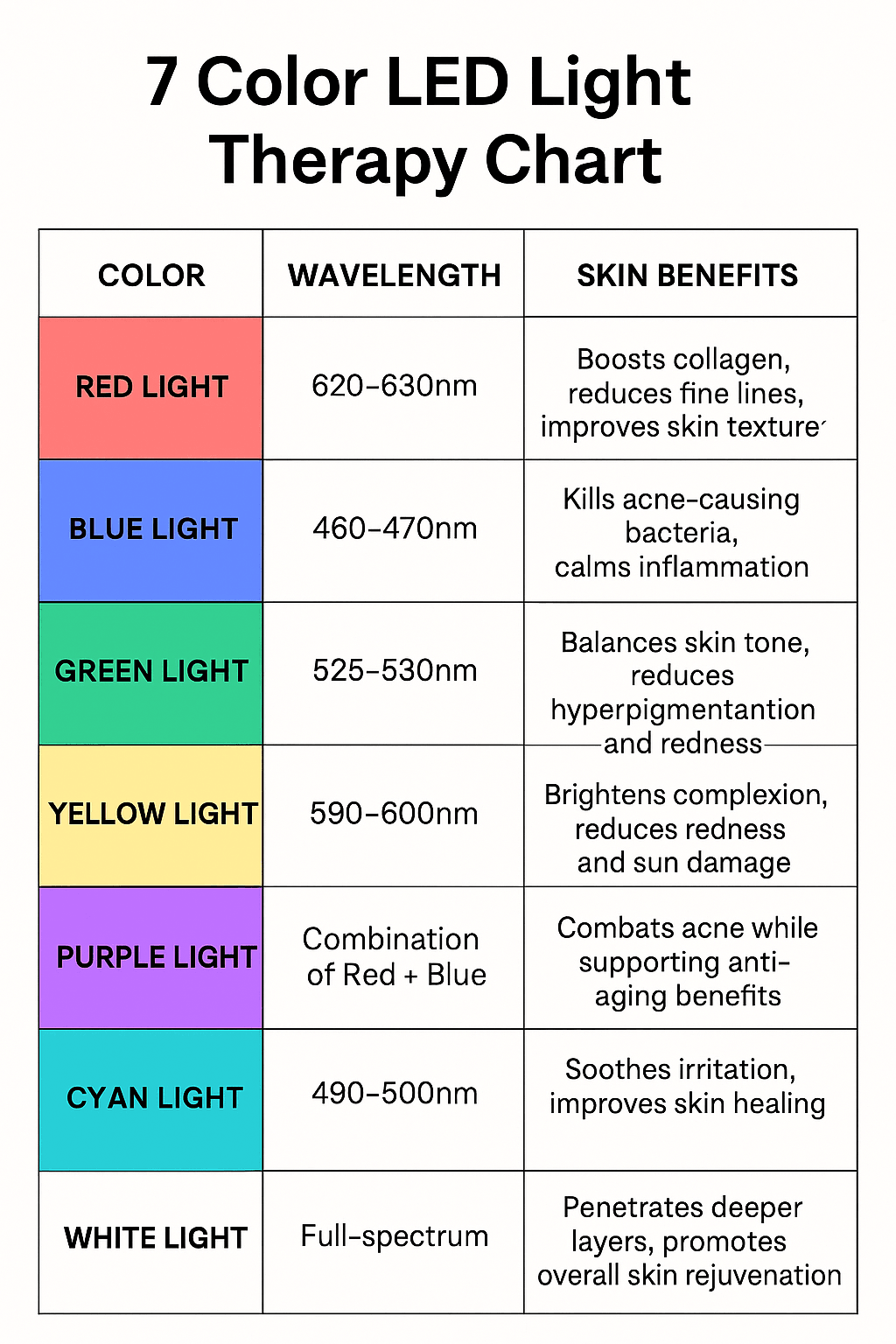
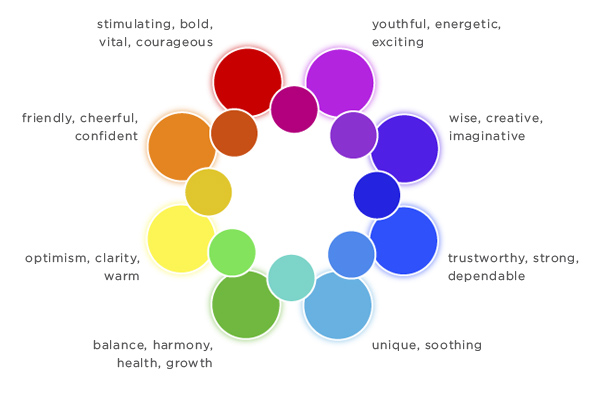
LED light colors often represent different statuses. For example, red may mean stop or error, green means go or normal, and blue indicates power or connectivity. Understanding these colors helps interpret device conditions quickly and accurately.
How Do Led Lights Save Energy?
LED lights use less electricity than traditional bulbs. They convert most energy into light, not heat. This efficiency reduces power consumption and lowers electricity bills, making LEDs an eco-friendly and cost-effective lighting solution.
Why Are Led Lights Brighter Than Others?
LEDs produce light through electroluminescence, which is more efficient than filament or gas-based bulbs. This process creates intense, focused light, making LEDs brighter and more effective for various applications, from home lighting to indicators.
Can Led Lights Affect Health Or Mood?
LED light quality and color temperature influence mood and sleep. Blue-rich LEDs may disrupt sleep if used at night. Warm white LEDs promote relaxation. Choosing the right LED light can enhance well-being and comfort.
Conclusion
LED lights save energy and last much longer than bulbs. They come in many colors and shapes for different uses. People use them in homes, cars, and signs. LEDs also help reduce electricity bills and pollution. Choosing the right LED light can improve your space.
Small changes in lighting make a big difference. LED lights bring bright, clear light without much heat. They are a smart choice for everyday needs. Simple, useful, and efficient—LED lights are here to stay.

Alex Navarro
Hi, I'm leds.to, the founder of the world's #1 LED lighting review site. At leds.to, we strive to provide you with the most comprehensive and reliable reviews on LED lighting products. Whether you're looking for car LEDs, super bright LEDs, or even grow light LEDs, you'll find all the information you need right here on our site. With years of experience in the industry, I'll guide you towards making the best purchasing decisions for your lighting needs. Trust me to shed light on the world of LEDs and help you find the perfect lighting solutions.