How Do Led Lights Get Power: Unveiling the Energy Source
Affiliate links — we may earn a commission
Have you ever wondered how LED lights actually get their power? You see them everywhere—brightening your home, your office, even your favorite gadgets—but how do they work behind the scenes?
Understanding the simple yet fascinating way LED lights receive and use power can change how you think about lighting and energy. Stick with me, and by the end of this article, you’ll not only know how LED lights get powered but also how that knowledge can help you save energy and choose the best lighting for your space.
Ready to uncover the secrets of LED power? Let’s dive in.
Basics Of Led Lighting
Understanding the basics of LED lighting helps explain how these lights get power. LEDs use a small amount of electricity to produce bright light. This makes them very energy-efficient and long-lasting. The technology behind LEDs is simple but clever. It allows for many uses in homes, offices, and outdoor spaces.
What Are Leds
LED stands for Light Emitting Diode. It is a small electronic device that emits light. Unlike traditional bulbs, LEDs do not have filaments or gases inside. They are solid pieces made from special materials called semiconductors. These materials allow electric current to flow in one direction only. This flow creates light without heat, making LEDs safe and cool to touch.
How Leds Emit Light
LEDs emit light through a process called electroluminescence. When electricity passes through the semiconductor, it excites electrons. These electrons release energy as photons, which are particles of light. The color of the light depends on the materials used in the LED. This process uses very little energy compared to other light sources. It also means LEDs can turn on instantly and last a long time without burning out.
Sources Of Power For Leds
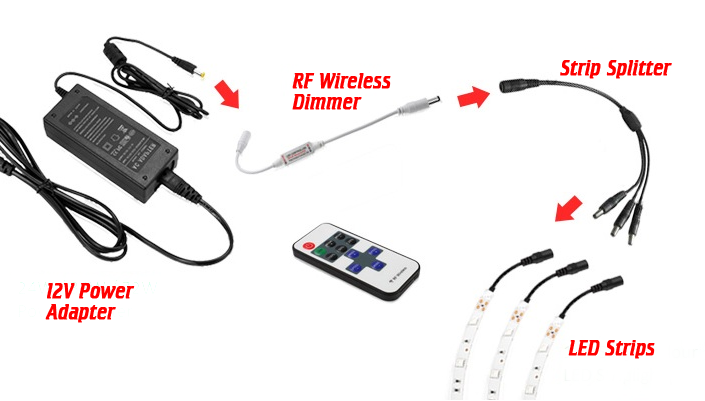
LED lights need power to work. They get this power from different sources. Each source has its own way to provide energy. Understanding these sources helps to know how LEDs shine bright and save energy.
Direct Current (dc) Power
DC power flows in one direction. Many LED lights use DC power because it is steady. Devices like computers and chargers use DC power. LEDs connect easily to DC power sources. This type of power helps LEDs work efficiently.
Alternating Current (ac) Power
AC power changes direction many times per second. Homes and buildings usually have AC power. LED bulbs made for home use have special parts. These parts change AC to DC inside the bulb. This lets LEDs run on the power from the wall.
Battery Power
Batteries store energy as DC power. Portable LED lights often use batteries. Small flashlights and camping lights run this way. Batteries make LEDs easy to carry and use anywhere. This source is simple and reliable for short-term lighting.
Solar Power
Solar panels catch sunlight and turn it into electricity. This electricity is DC power. Solar-powered LEDs use this energy to light up. Gardens and street lamps often use solar LEDs. Solar power is clean and saves money over time.
Role Of Drivers And Transformers
LED lights need the right power to work well. Drivers and transformers play a key role in giving the LED the power it needs. They make sure the power is safe and steady. Without them, LED lights might not last long or shine properly.
Led Drivers Explained
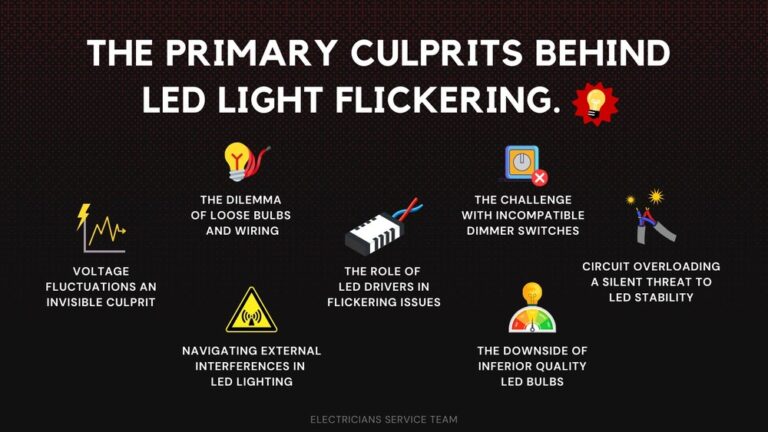
LED drivers control the electricity flow to the LED. They change the power to the right voltage and current. This keeps the LED safe from damage. Drivers also stop flickering, which helps the light stay steady. Some drivers can adjust brightness for different moods.
Transformers In Led Lighting
Transformers change the voltage from the power source. They lower high voltage to a safe level for LEDs. This prevents the LED from burning out. Transformers work with drivers to make power stable. Together, they help LED lights run smoothly and last longer.
Energy Efficiency Of Leds
LED lights use much less power than traditional bulbs. They convert most of their energy into light, not heat. This makes them very energy efficient. Energy efficiency means using less electricity to get the same amount of light. It helps save energy and reduces the impact on the environment.
Power Consumption Compared
LEDs use about 75% less power than incandescent bulbs. A 10-watt LED can give the same brightness as a 60-watt bulb. This lower power use means less energy is needed to run them. LED lights also last much longer, reducing the need for replacements.
Impact On Electricity Bills
Using LEDs can lower electricity bills significantly. Since they use less power, monthly energy costs drop. Over time, savings add up, making LEDs a smart choice. Many homes and businesses see clear benefits in their electricity expenses.
Common Power Sources In Different Settings
LED lights need power to work in many places. The power source depends on the setting. Different environments use different power systems. Understanding these common power sources helps to see how LEDs stay lit.
Power sources vary from homes to big businesses and outdoor areas. Each setting uses the best power option for safety and efficiency. The type of power affects how LEDs perform and save energy.
Residential Led Power
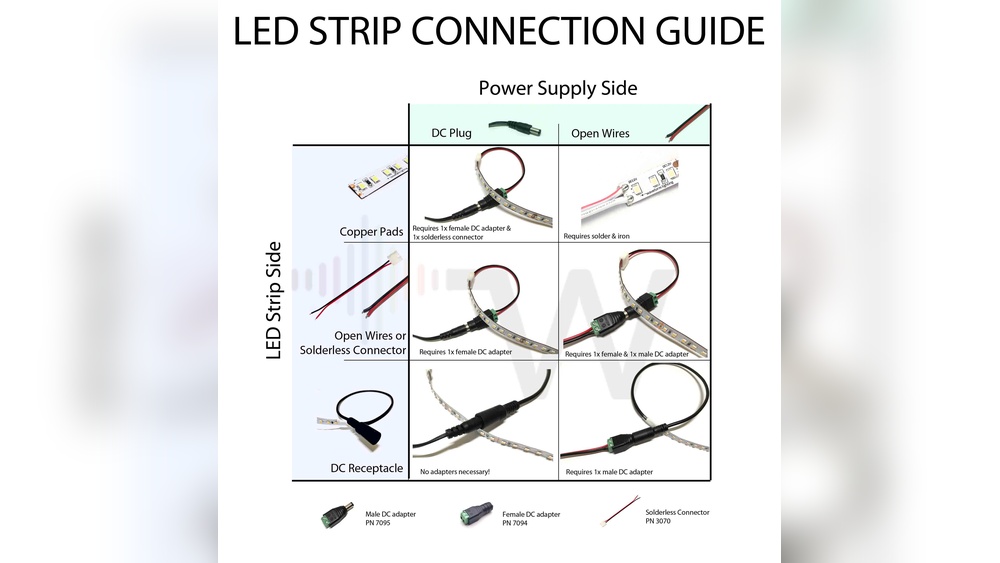
Homes mostly use standard electricity from the power grid. This electricity comes through wires into houses. LED bulbs connect easily to home sockets. They use low voltage, making them safe and energy-saving. Some homes add solar panels to power LEDs. Solar power cuts down on bills and helps the environment.
Commercial Led Power
Businesses use stronger power systems to run many LED lights. They connect to high-voltage electric lines. Commercial buildings often use transformers to lower voltage for LEDs. This keeps the lights stable and safe. Many stores and offices use LED panels and strips. These need steady power to light large areas well.
Outdoor And Street Lighting
Outdoor LED lights get power from the city’s electric grid or solar systems. Street lights often use direct current from solar panels. Solar street lights have batteries to store power for night use. This setup saves energy and reduces wiring costs. Some areas still use traditional electrical lines for outdoor LEDs. These systems need protection from weather and damage.
Innovations In Led Power Technology
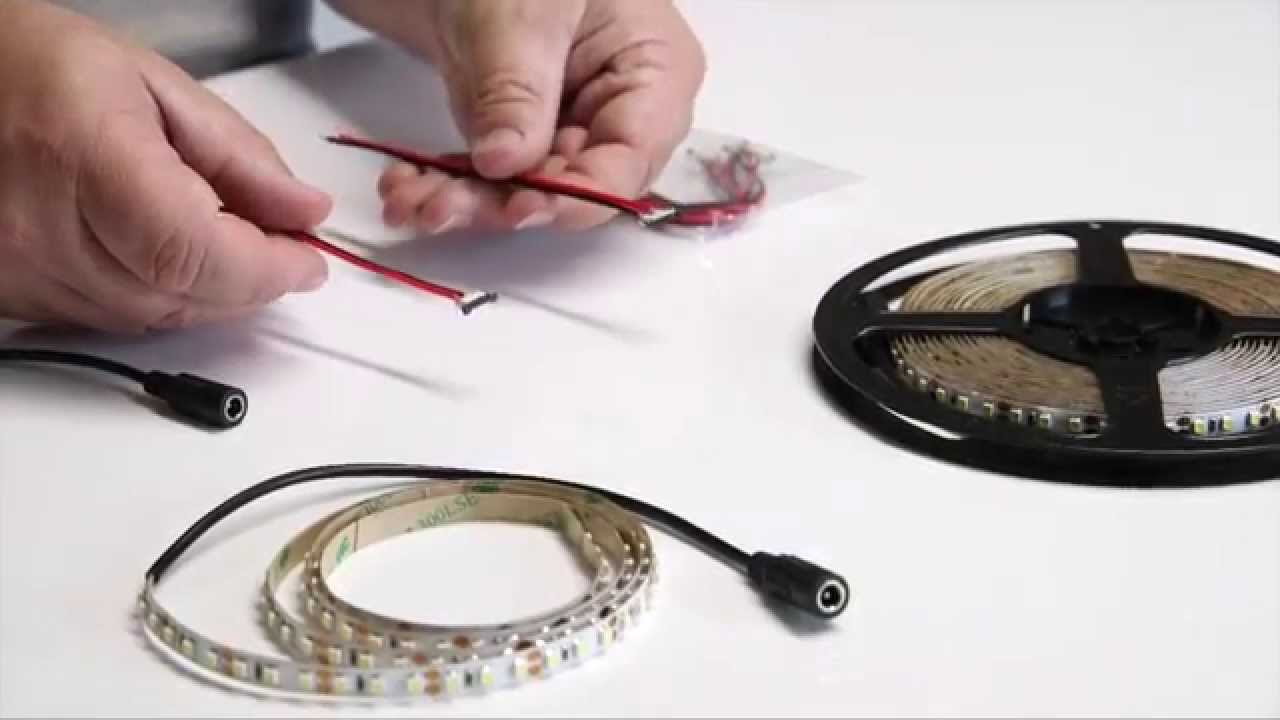
LED lights have evolved with new ways to get power. These innovations make LEDs more efficient and easier to use. They reduce the need for wires and improve control over lighting. This helps save energy and create better lighting experiences.
Wireless Power Transfer
Wireless power transfer lets LED lights work without wires. Electricity moves through the air using magnetic fields. This method is useful in places hard to reach with wires. It also makes LED installation cleaner and safer. Wireless charging pads are a common example of this technology.
Smart Led Systems
Smart LED systems use sensors and internet connections. They adjust light brightness and color based on needs. These systems save energy by turning off lights in empty rooms. Users can control lights with phones or voice commands. Smart LEDs offer more comfort and convenience for daily life.
Frequently Asked Questions
How Do Led Lights Receive Electrical Power?
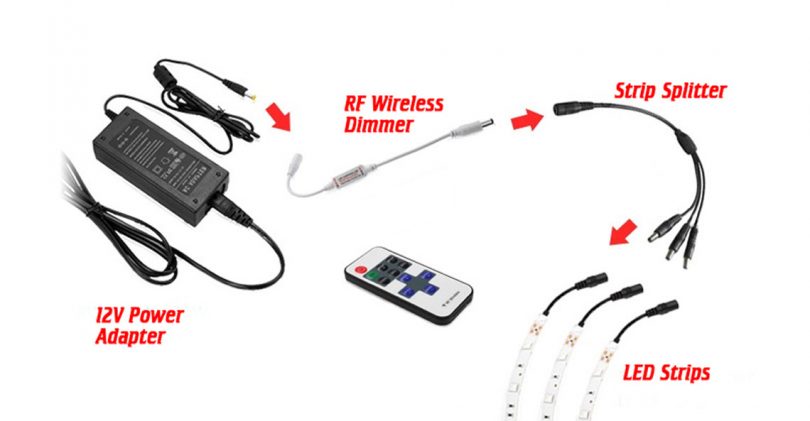
LED lights receive electrical power through a direct current (DC) supply, often provided by an LED driver that converts alternating current (AC) from the mains. This driver regulates voltage and current to ensure the LED operates safely and efficiently.
What Role Does An Led Driver Play In Powering Leds?
An LED driver converts AC to DC and regulates current flow to LEDs. It prevents damage by maintaining consistent voltage and current, ensuring long LED lifespan and stable brightness.
Can Led Lights Work With Standard Household Electricity?
Yes, but LEDs need an LED driver to convert household AC to low-voltage DC. This conversion is essential for safe operation and prevents LED burnout or flickering.
Why Is Direct Current (dc) Important For Led Lights?
LEDs require DC because they are diodes that allow current in one direction only. DC ensures stable light output, prevents damage, and extends the LED’s operational life.
Conclusion
LED lights get power through a simple electric flow. They use low voltage and direct current. This makes them energy efficient and long-lasting. Power sources like batteries or adapters provide the needed electricity. A small chip inside the LED controls the light.
This setup helps LED lights work well in many places. Understanding this helps you choose the right lighting. It also shows why LEDs save more energy than bulbs. LED lighting is smart, easy, and reliable for daily use.

Alex Navarro
Hi, I'm leds.to, the founder of the world's #1 LED lighting review site. At leds.to, we strive to provide you with the most comprehensive and reliable reviews on LED lighting products. Whether you're looking for car LEDs, super bright LEDs, or even grow light LEDs, you'll find all the information you need right here on our site. With years of experience in the industry, I'll guide you towards making the best purchasing decisions for your lighting needs. Trust me to shed light on the world of LEDs and help you find the perfect lighting solutions.