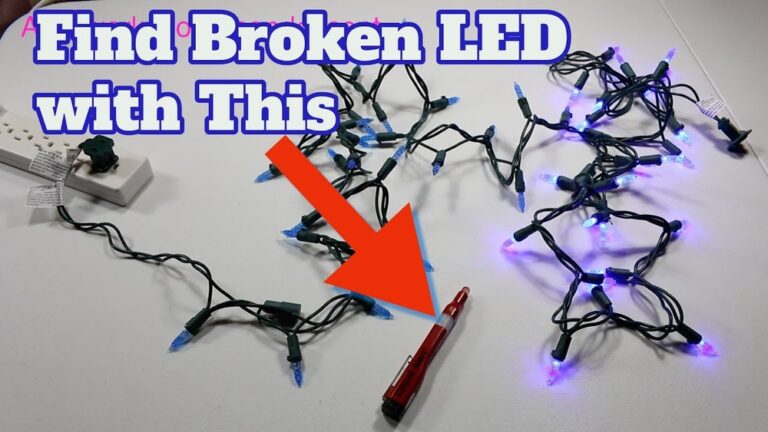
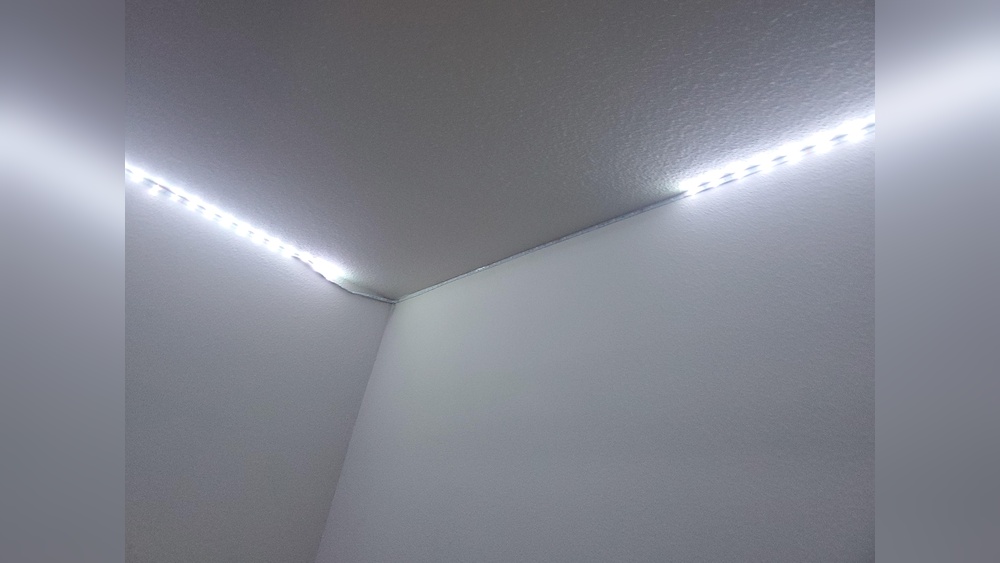
Led Strip Lights Stopped Working: Quick Fixes You Need Now
Affiliate links — we may earn a commission
Have your LED strip lights suddenly stopped working? It’s frustrating when your vibrant, colorful lighting goes dark without warning.
You rely on these lights to set the mood, brighten your space, or highlight your favorite spots. When they fail, it feels like a part of your home loses its spark. But don’t worry—you’re not alone, and the fix might be simpler than you think.
Keep reading to discover the common reasons behind your LED strip lights’ failure and easy steps you can take to bring them back to life. Your perfect glow is just a few solutions away.
Common Causes
LED strip lights can stop working due to several common reasons. Understanding these causes helps fix the problem faster. This section covers the main issues that affect LED strips.
Power Supply Issues
Power supply problems are a top cause of LED strip failure. A weak or faulty power adapter can stop the lights from turning on. Voltage mismatches between the power supply and the LED strip also cause issues. Check if the power source delivers the correct voltage and current. A broken plug or loose connection in the power supply can interrupt the flow of electricity.
Faulty Connections
Poor wiring or loose connectors lead to LED strips not working. The strips often use small connectors that can disconnect easily. Wires may break inside the insulation, causing a short circuit. Make sure all connections are secure and properly joined. Damaged connectors or solder joints can also stop the lights from lighting up.
Damaged Led Strips
Physical damage can cause LED strips to fail. Bending or cutting the strip in the wrong place breaks the circuit. Water or moisture can damage strips not rated as waterproof. Burnt out or broken LEDs within the strip will cause parts of the strip to go dark. Inspect the strip carefully for visible damage or corrosion.
Controller Malfunctions
Controllers manage color and brightness on many LED strips. A faulty controller can stop the lights from working correctly. Broken buttons, software glitches, or damaged remote controls cause failure. Resetting or replacing the controller often fixes the issue. Check the controller’s power supply and connections too.
Basic Troubleshooting Steps
LED strip lights may stop working for several simple reasons. Basic troubleshooting helps find the cause. Follow these steps to check common issues. They can save time and money before calling a professional.
Check Power Source
Make sure the power supply is plugged in correctly. Check the power outlet by testing it with another device. Confirm the power adapter matches the LED strip’s voltage needs. A weak or faulty power source can stop the lights from working.
Inspect Wiring And Connectors
Look for loose or damaged wires along the strip. Check connectors for corrosion or bent pins. Secure all connections tightly. Broken wires or poor contact can interrupt the power flow and cause failure.
Test With A Different Controller
Use another controller if possible. A faulty controller can prevent the LEDs from lighting up. Testing with a different controller helps identify if the problem is with the control unit.
Examine Led Strip For Damage
Look closely at the LED strip for visible damage. Burn marks, cuts, or cracks can break the circuit. Damaged areas can stop parts or the entire strip from lighting. Replace the strip if damage is found.
Quick Fixes
LED strip lights can stop working for simple reasons. Most issues have easy fixes. Try these quick steps before calling a professional. They save time and effort. These fixes often bring your lights back to life fast.
Reset The Controller
Turn off the power to the LED strip. Wait for 10 seconds. Turn the power back on. This can clear small glitches. It helps the controller start fresh. Check if the lights work after reset.
Replace Damaged Sections
Inspect the LED strip for visible damage. Look for broken or dark spots. Cut out damaged parts carefully. Use connectors to join new sections. This restores the strip’s full function quickly.
Secure Loose Connections
Loose wires stop the lights from working. Check all plugs and connectors. Push them in firmly. Tighten any screws if needed. A solid connection lets electricity flow properly.
Use A Compatible Power Adapter
Power adapters must match the LED strip’s voltage. Using the wrong adapter can cause failure. Check the strip’s label for voltage needs. Replace the adapter with one that fits. Proper power keeps the lights running smoothly.
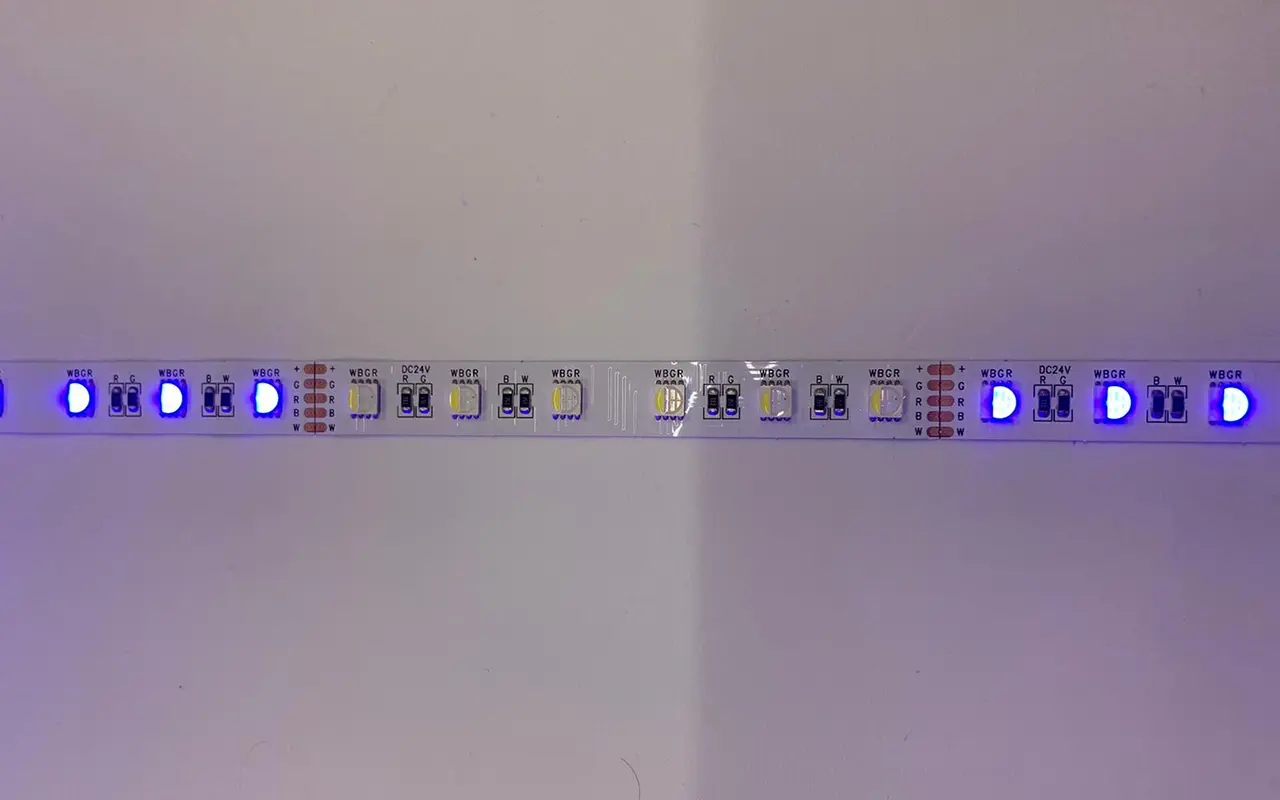
Preventive Measures
Preventing LED strip lights from stopping is easier than fixing them. Simple steps can keep your lights bright and working longer. A few good habits during installation and use protect your investment.
Proper Installation Tips
Place LED strips on clean, dry surfaces. Avoid bending the strips sharply; this can break the circuits. Use the right power supply matching the strip’s voltage and wattage. Connect wires firmly to avoid loose contacts. Follow the manufacturer’s guide carefully for best results.
Regular Maintenance
Check your LED strips often for dust or dirt. Clean gently with a soft cloth to keep light bright. Inspect connections and wires regularly for any signs of wear. Replace damaged parts quickly to prevent bigger problems. Keep the area around the lights dry to avoid moisture damage.
Avoid Overloading Circuits
Do not connect too many strips to one power source. Overloading can cause the lights to fail or flicker. Use separate power supplies if you have long runs of strips. Calculate the total wattage before installation. This step protects both the lights and your home’s electrical system.
Use Quality Components
Choose LED strips and power supplies from trusted brands. Cheap products often fail faster and cause problems. Quality components last longer and provide better light. They also reduce the risk of electrical issues. Always check product reviews and ratings before buying.
When To Seek Professional Help
Knowing when to seek professional help is important for LED strip lights. Some problems need expert skills to fix. Trying to repair complex issues alone may cause more damage. Experts have the right tools and knowledge to solve tricky problems safely.
Persistent Issues After Fixes
Some LED strip lights may still not work after simple fixes. If lights keep flickering or stay off, it shows a deeper problem. Continuous issues suggest a need for professional inspection. Experts can find hidden faults that are not easy to see.
Complex Electrical Problems
Electrical issues like wiring faults or power supply problems need expert care. Handling electrical parts without training is risky. Professionals know how to test and repair safely. They prevent fire hazards and electric shocks.
Warranty And Replacement Options
Check if your LED strip lights are under warranty. Professionals can help with warranty claims and replacements. Using expert services may keep your warranty valid. They provide proper service without voiding your coverage.

Frequently Asked Questions
Why Did My Led Strip Lights Suddenly Stop Working?
LED strip lights often stop working due to power supply issues, loose connections, or damaged wiring. Check the power source and connectors first. Also, inspect the LED strip for visible damage or burn marks to identify the problem quickly.
How Can I Fix Led Strip Lights Not Turning On?
Start by verifying the power adapter is functioning correctly. Ensure all connectors are secure and the controller is responsive. Replace any faulty parts like damaged strips or controllers to restore proper lighting.
What Causes Led Strip Lights To Flicker Or Fail?
Flickering or failure usually results from inconsistent power supply, loose connections, or faulty dimmers. Check wiring integrity, replace defective components, and use compatible dimmers to prevent flickering and ensure stable operation.
Can A Faulty Power Supply Cause Led Strips To Stop Working?
Yes, a faulty power supply is a common reason LED strips stop working. It may fail to deliver the required voltage or current. Testing or replacing the power adapter often resolves this issue quickly.
Conclusion
LED strip lights can stop working for many reasons. Check the power source first. Look for loose connections or damaged wires. Test the remote or controller if you use one. Sometimes, replacing a small part fixes the issue. Regular care can help your lights last longer.
Troubleshooting is simple with a little patience. Keep these tips handy for quick fixes. Bright, colorful lighting is worth the effort. Don’t give up on your LED strips just yet.

Alex Navarro
Hi, I'm leds.to, the founder of the world's #1 LED lighting review site. At leds.to, we strive to provide you with the most comprehensive and reliable reviews on LED lighting products. Whether you're looking for car LEDs, super bright LEDs, or even grow light LEDs, you'll find all the information you need right here on our site. With years of experience in the industry, I'll guide you towards making the best purchasing decisions for your lighting needs. Trust me to shed light on the world of LEDs and help you find the perfect lighting solutions.