
What’S the Difference between Led Light Bulbs And Regular: Key Benefits Explained
Affiliate links — we may earn a commission
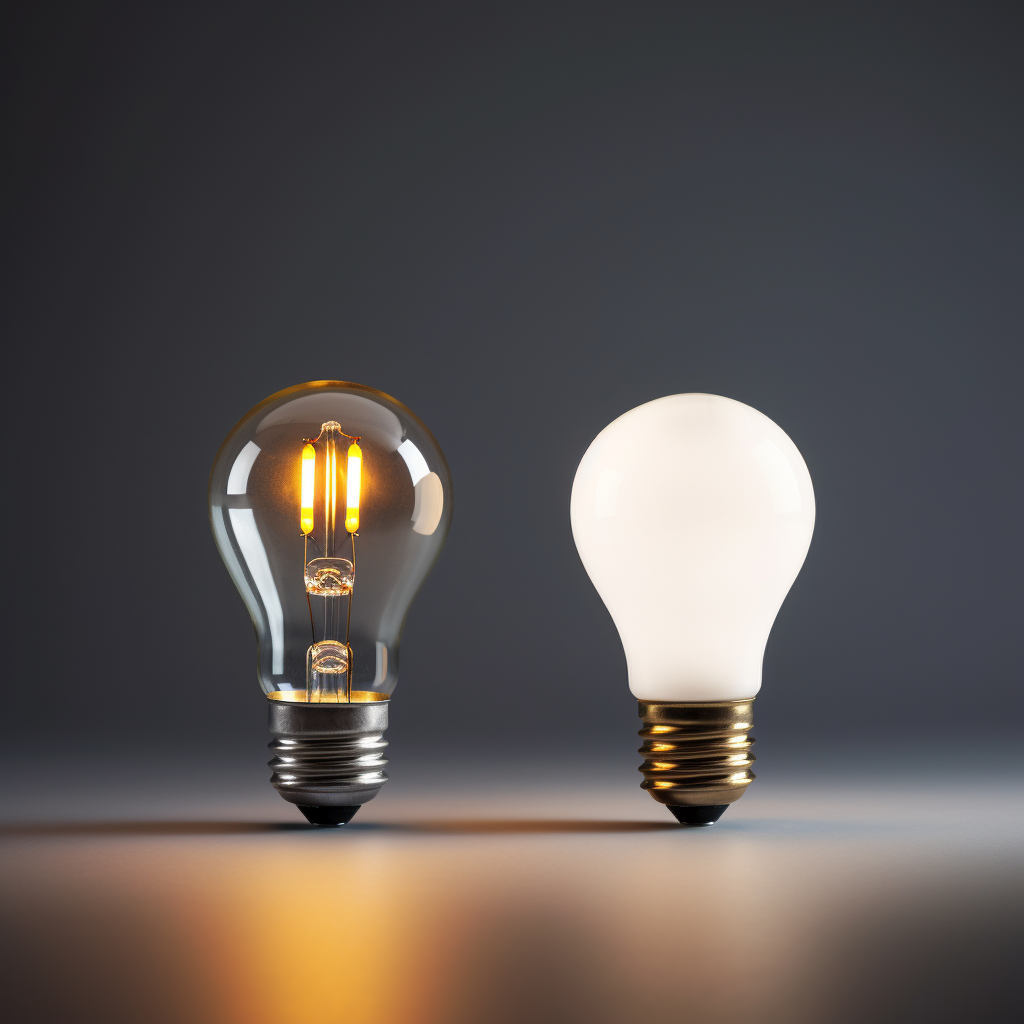
Are you wondering why LED light bulbs are getting so much attention compared to regular bulbs? You might be asking yourself if switching really makes a difference.
Understanding how LED bulbs differ from traditional ones can help you save money, boost your home’s lighting quality, and make smarter choices for the environment. Keep reading to discover the key differences and find out which option is best for your needs.
Types Of Light Bulbs
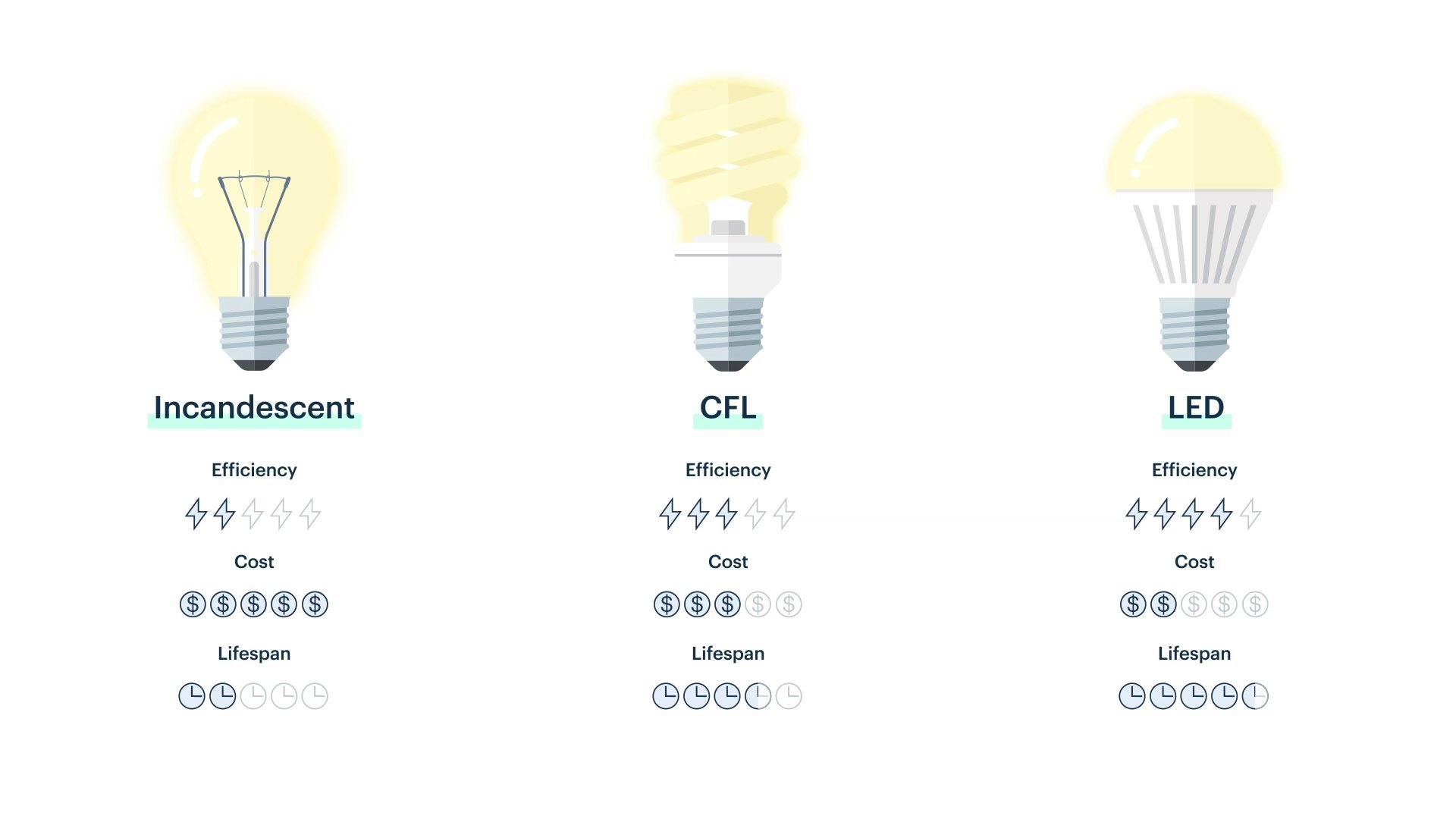
Light bulbs come in different types. Each type uses a different method to produce light. Understanding these types helps choose the best bulb for your needs.
Led Bulbs
LED bulbs use light-emitting diodes to create light. They use less electricity than regular bulbs. LED bulbs last much longer, saving money over time. They also produce less heat, making them safer to touch. LED bulbs come in many shapes and colors. They turn on instantly without flickering. Many people prefer LED bulbs for energy savings and durability.
Regular Bulbs
Regular bulbs usually mean incandescent bulbs. They create light by heating a metal filament inside the glass. These bulbs use more energy and produce more heat. Regular bulbs have a shorter life span. They are cheaper to buy but cost more in electricity. The light from regular bulbs feels warm and soft. Some people like this natural glow despite higher energy use.
Energy Efficiency
Energy efficiency is a key factor when choosing between LED light bulbs and regular bulbs. It means using less electricity to produce the same amount of light. This helps save money on energy bills and reduces environmental impact. Understanding how LEDs and regular bulbs compare in energy use can help make better choices for your home or office.
Power Consumption
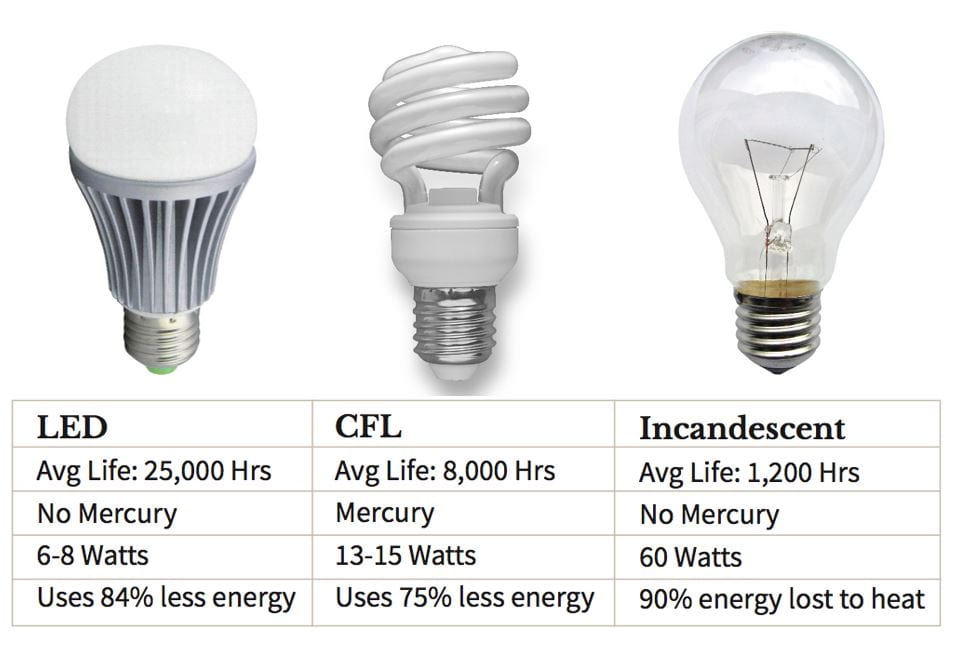
LED light bulbs use much less power than regular bulbs. They need only about 10 watts to give the same brightness that a 60-watt regular bulb produces. This means LEDs consume up to 80% less electricity. Lower power use means lower energy bills. Using LEDs also reduces the load on power plants, which helps the environment.
Lifespan Comparison
LED bulbs last much longer than regular bulbs. An LED can work for 25,000 to 50,000 hours. A regular incandescent bulb lasts about 1,000 hours. This means LEDs need fewer replacements. Fewer replacements save money and reduce waste. Longer life also means less hassle changing bulbs often.
Cost Considerations
Cost plays a big role in choosing between LED light bulbs and regular bulbs. Understanding both the upfront and ongoing expenses helps you make a smart choice. This section breaks down the main cost factors.
Initial Price
LED bulbs usually cost more at the start. They need a higher upfront investment than regular bulbs. Regular bulbs, like incandescent or CFL, are cheaper to buy. This lower price makes them popular for quick, low-cost lighting solutions. But the higher initial cost of LEDs can be a barrier for some buyers.
Long-term Savings
LED bulbs use less electricity than regular bulbs. This means lower energy bills over time. LEDs also last much longer, sometimes up to 25,000 hours. Regular bulbs burn out faster, so you replace them more often. The savings on electricity and fewer replacements make LEDs cheaper in the long run. Over time, these savings often cover the initial higher price of LED bulbs.
Light Quality
Light quality defines how light feels and looks in a room. It affects comfort and visibility. Both LED and regular bulbs offer different light experiences. Understanding these differences helps you pick the right bulb for your needs.
Brightness And Color
LED bulbs often produce brighter light using less energy. Regular bulbs may seem dimmer at the same power level. Color options vary too. LEDs offer many colors, from warm white to cool blue. Regular bulbs mostly give off a yellowish light. Brightness and color impact mood and task ease.
Flicker And Warmth
Some regular bulbs flicker, which can cause eye strain. LED bulbs usually have steady light without flicker. Warmth is another factor. Regular bulbs get hot quickly. LEDs stay cool, making them safer. Warmth from bulbs can change how cozy a room feels.
Environmental Impact
Understanding the environmental impact of LED light bulbs versus regular bulbs helps you make smarter choices. Lighting affects energy use and waste. This can harm the planet over time. Choosing the right bulb reduces your carbon footprint. It also saves resources and protects nature.
Energy Use
LED bulbs use much less energy than regular bulbs. They convert most electricity into light, not heat. This means they need less power to shine brightly. Regular bulbs waste energy by producing heat. Using LEDs lowers electricity bills and reduces fossil fuel use. Less energy means fewer greenhouse gases released into the air.
Disposal And Recycling
LED bulbs last longer and break less often than regular bulbs. This means fewer bulbs end up in landfills. Regular bulbs contain materials like mercury that can harm the environment. LEDs do not have mercury, making them safer to throw away. Many places offer recycling programs for LED bulbs. Recycling helps recover valuable materials and reduce pollution.
Durability And Safety
Durability and safety are key factors when choosing light bulbs for home or office use. They affect how long the bulb lasts and how safe it is around people and pets. LED light bulbs and regular bulbs differ a lot in these areas. This section explains those differences clearly.
Heat Emission
LED bulbs produce very little heat. They stay cool to the touch even after hours of use. Regular bulbs, like incandescent ones, get very hot. This heat can cause burns or even start fires if bulbs touch flammable materials. Cooler LED bulbs reduce such risks and save energy too.
Breakage Risk
LED bulbs are made with sturdy materials that resist breaking. They often use plastic covers instead of glass. Regular bulbs usually have thin glass that can shatter easily. Broken glass is dangerous and can cause injuries. LED bulbs lower the chance of accidents because they are tougher and safer to handle.
Application And Use
LED light bulbs and regular bulbs differ significantly in their applications and uses. Choosing the right type affects lighting quality, energy use, and cost over time. Understanding where each bulb works best helps make smart lighting choices for your home or business.
Indoor Lighting
LED bulbs are ideal for indoor lighting. They offer bright, clear light that enhances room appearance. LEDs produce less heat, which keeps spaces cooler. They last much longer than regular bulbs, reducing replacements. Regular bulbs work but use more energy and burn out faster. LEDs fit well in lamps, ceiling lights, and fixtures. They provide consistent light without flickering, which is easier on the eyes.
Outdoor Lighting
LED bulbs excel in outdoor lighting. They handle cold and heat better than regular bulbs. LEDs turn on instantly, perfect for security lights and motion sensors. Their durability resists weather damage like rain and wind. Regular bulbs often fail faster outside due to weather. LEDs save energy even when used for long hours outdoors. They brighten pathways, gardens, and porches efficiently and safely.
Choosing The Right Bulb
Choosing the right light bulb is important for your home’s comfort and energy use. Not all bulbs work the same in every room. Think about what you need from your lighting before buying.
Room Needs
Different rooms need different light. Bright light helps in kitchens and workspaces. Soft light is better for bedrooms and living rooms. LED bulbs offer many color temperatures. Pick one that fits the room’s purpose. Regular bulbs usually have one color temperature. LEDs also come in different shapes and sizes. This helps you match your fixture perfectly.
Budget Factors
LED bulbs cost more upfront than regular bulbs. But they last much longer and use less electricity. This saves money over time. Regular bulbs are cheaper at first. But they burn out faster and use more power. Think about your budget for now and later. Spending more on LEDs can mean lower bills and fewer replacements.
Frequently Asked Questions
What Makes Led Bulbs Different From Regular Bulbs?
LED bulbs use light-emitting diodes, which are more energy-efficient. Regular bulbs rely on incandescent or fluorescent technology, using more power and producing more heat.
Are Led Bulbs More Energy-efficient Than Regular Bulbs?
Yes, LED bulbs consume up to 80% less energy than regular incandescent bulbs. This reduces electricity bills and environmental impact significantly.
How Long Do Led Bulbs Last Compared To Regular Bulbs?
LED bulbs typically last 15,000 to 50,000 hours. Regular incandescent bulbs last about 1,000 hours, making LEDs far more durable and cost-effective.
Do Led Bulbs Provide Better Light Quality Than Regular Bulbs?
LED bulbs offer brighter, more consistent light with adjustable color temperatures. Regular bulbs often emit warmer light and may flicker or dim over time.
Conclusion
LED light bulbs save energy and last much longer than regular bulbs. They use less electricity, which lowers your bills. Regular bulbs get hot and break faster. LED bulbs stay cool and are safer to use. Choosing LED lights helps protect the environment by reducing waste.
Small changes like this can make a big difference over time. Now you can decide which bulb fits your needs best. Bright ideas made simple.

Alex Navarro
Hi, I'm leds.to, the founder of the world's #1 LED lighting review site. At leds.to, we strive to provide you with the most comprehensive and reliable reviews on LED lighting products. Whether you're looking for car LEDs, super bright LEDs, or even grow light LEDs, you'll find all the information you need right here on our site. With years of experience in the industry, I'll guide you towards making the best purchasing decisions for your lighting needs. Trust me to shed light on the world of LEDs and help you find the perfect lighting solutions.