
What If Your Led Lights Aren’T Working: Quick Fixes & Tips
Affiliate links — we may earn a commission
What if your LED lights aren’t working? It can be frustrating when the lights you rely on suddenly go dark.
You might wonder if it’s a simple fix or something more serious. Before you feel stuck or think about replacing everything, there are easy steps you can take to find the problem and get your lights shining again. Keep reading, and you’ll discover practical tips that save you time, money, and stress.
Don’t let a small issue turn into a big hassle—your solution is just ahead.
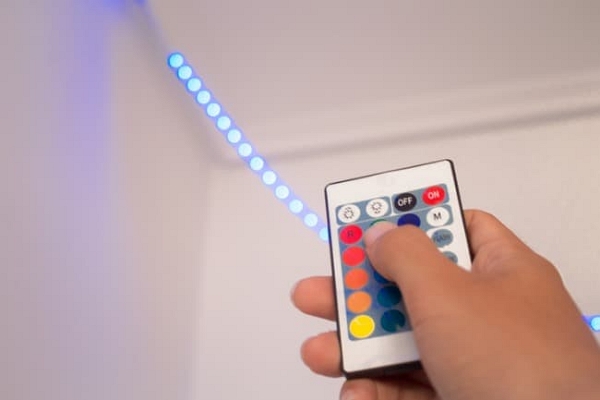
Common Causes Of Led Light Failures
LED lights are popular for their brightness and energy efficiency. Yet, they can stop working sometimes. Understanding why LED lights fail helps fix problems fast. Several common issues cause LED light failures. These include power supply issues, wiring problems, burnt-out LEDs, and driver malfunctions.
Power Supply Issues
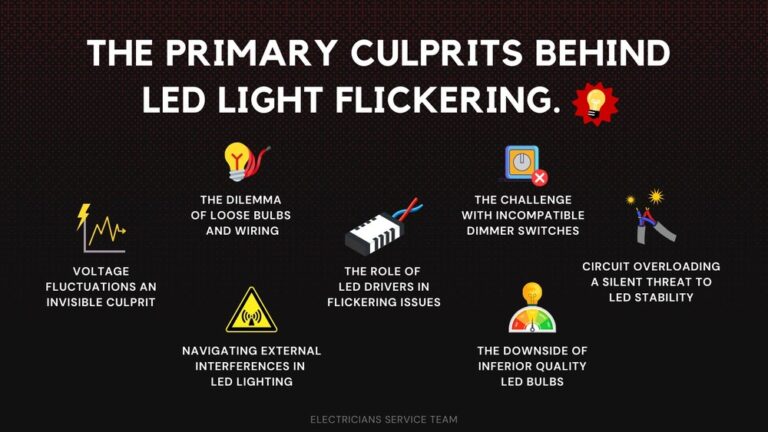
LED lights need a steady power supply to work well. A power surge or voltage drop can cause them to stop working. Sometimes, the power source is faulty or unstable. This can lead to flickering or complete failure. Checking the power supply is the first step in troubleshooting LED lights.
Faulty Wiring Connections
Loose or broken wiring can prevent LED lights from lighting up. Poor connections create interruptions in the electrical flow. Wires may be damaged or incorrectly connected. Inspecting and fixing wiring connections often restores LED function quickly.
Burnt Out Leds
Though long-lasting, individual LEDs can burn out. This happens due to overheating or poor quality components. Burnt-out LEDs cause dim or dark spots in a light fixture. Replacing the faulty LEDs usually solves this issue.
Driver Malfunctions
The LED driver controls the power to the lights. A malfunctioning driver can stop LEDs from working. Drivers can fail from age, overheating, or poor design. Testing and replacing the driver often fixes LED light problems.
Basic Troubleshooting Steps
Basic troubleshooting helps find simple problems with LED lights. These steps save time and avoid costly repairs. Follow each step carefully to check common issues. Many times, the fix is quick and easy.
Checking The Power Source
First, make sure the power source is on. Check the switch or outlet for power. Use a different device to see if the outlet works. Sometimes, a tripped breaker or blown fuse stops power flow. Reset breakers or replace fuses if needed.
Inspecting The Bulb And Socket
Look at the LED bulb and socket for damage. The bulb may be loose or broken. Turn off power before touching the bulb. Remove the bulb and check for black marks or cracks. Also, check the socket for dirt or corrosion. Clean gently if dirty.
Testing With A Different Fixture
Try the LED bulb in another fixture. This test shows if the bulb or fixture has the problem. If the bulb works in a new fixture, the first fixture might be faulty. If the bulb does not work, replace the bulb with a new one.
Resetting The Led Driver
Many LED lights use a driver to control power. The driver can sometimes stop working properly. Unplug the driver from power for 30 seconds. Plug it back in to reset the driver. This step may restore normal function to the LED light.
Quick Fixes For Led Light Problems
LED lights sometimes stop working. This can be frustrating but many problems have simple solutions. Quick fixes often restore light without extra cost or tools. Here are easy steps to try before calling a professional.
Replacing The Led Bulb
LED bulbs have a lifespan but can burn out early. Remove the old bulb carefully. Choose a new bulb with the same size and wattage. Screw the new bulb in place. Test the light to see if it works.
Securing Loose Wires
Loose wires can cause flickering or no light at all. Check the connections at the fixture and switch. Tighten any loose wires with a screwdriver. Make sure wires are not damaged or frayed. Secure wires safely to avoid hazards.
Cleaning Contacts And Sockets
Contacts and sockets gather dust and dirt over time. Turn off power before cleaning. Use a soft cloth or brush to clean the contacts. Remove any corrosion gently. Clean sockets allow better electricity flow.
Upgrading The Driver
The driver controls power to the LED. A faulty driver can cause failure. Find the correct driver model for your light. Replace the old driver with the new one. This can improve light performance and lifespan.
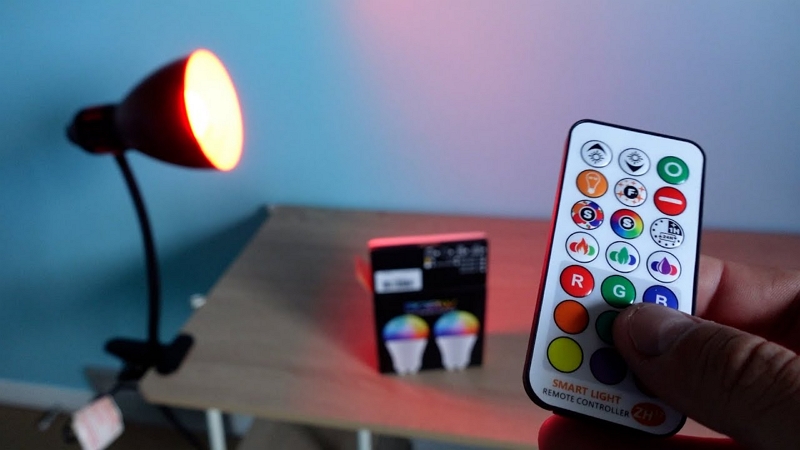
Preventive Tips To Extend Led Life
LED lights are built to last long, but they still need care. Taking simple steps can keep them bright and working well. Small efforts help avoid early failures and save money on replacements.
Applying preventive tips extends the life of your LED lights. It keeps them stable and efficient over time. Here are some easy ways to protect your LEDs.
Avoiding Voltage Fluctuations
Voltage changes can damage LED lights quickly. Use voltage stabilizers or surge protectors. This keeps the power steady and safe for your LEDs. Avoid using LEDs in places with unstable power supply.
Using Compatible Drivers
LED drivers control the power going to the lights. Using the right driver prevents overheating and flickering. Check the driver’s specifications match your LED’s needs. Wrong drivers shorten LED lifespan and cause failures.
Proper Installation Techniques
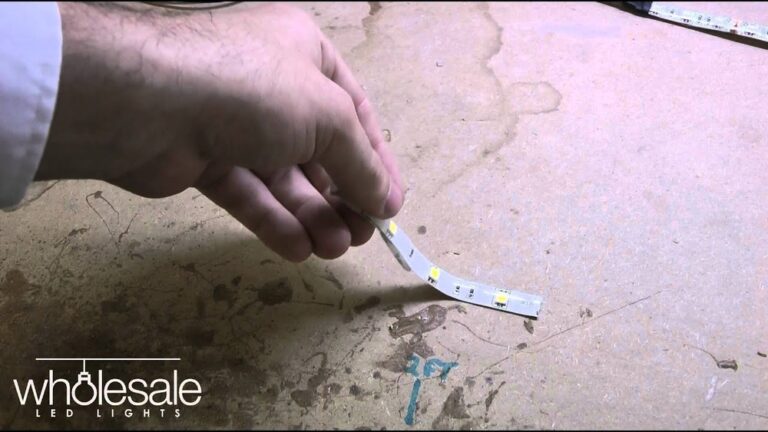
Install LEDs carefully to avoid damage. Follow manufacturer instructions closely. Use proper wiring and secure connections. Avoid bending or twisting LED strips too much. Proper setup reduces stress on LED components.
Regular Maintenance Checks
Clean LEDs gently to remove dust and dirt. Inspect wiring and connections for wear or damage. Replace faulty parts early to prevent bigger problems. Regular checks keep LEDs running smoothly for years.
When To Call A Professional
Knowing when to call a professional can save time and prevent damage. Some LED light issues are simple. Others need expert help. Recognizing the signs is important. This section explains when to get a professional involved.
Complex Electrical Issues
Complex wiring problems can cause LED lights to fail. Faulty circuits or damaged wiring need a skilled electrician. DIY fixes might worsen the problem. Professionals have the tools and knowledge to fix these safely.
Persistent Flickering Or Dimness
Lights that keep flickering or stay dim may signal deeper issues. It can be a sign of poor connections or power supply problems. A professional can diagnose the root cause. They ensure the lighting works properly and lasts longer.
Safety Concerns And Hazards
Electrical hazards pose serious risks. Sparks, burning smells, or frequent breaker trips are warning signs. Do not ignore these signs. Calling a professional ensures safety for your home and family. Experts handle hazards with proper care and tools.
Frequently Asked Questions
Why Are My Led Lights Suddenly Not Working?
LED lights may stop working due to power issues, faulty wiring, or a blown fuse. Check connections and power sources first. Replace any damaged parts. If problems persist, consult an electrician for proper diagnosis and repair.
How Can I Fix Flickering Led Lights?
Flickering LED lights often indicate loose connections or incompatible dimmer switches. Tighten wiring and ensure your dimmer supports LED bulbs. Replacing the bulb or driver may also resolve flickering issues effectively.
What Causes Led Lights To Stop Working Completely?
LED lights stop working because of power failures, defective drivers, or burnt-out LEDs. Inspect your power supply and replace damaged components. Proper maintenance can extend LED lifespan and prevent sudden failures.
Can Led Lights Be Repaired If They Don’t Turn On?
Some LED lights can be repaired by replacing drivers or bulbs. However, integrated LED units might require full replacement. Troubleshoot carefully and seek professional help if unsure about repairs.
Conclusion
LED lights not working can feel frustrating and confusing. Start by checking the power source and connections. Sometimes, a loose wire or a blown fuse causes the problem. Try replacing the LED bulb with a new one. Small fixes often solve the issue quickly.
If problems continue, consider consulting an electrician for safety. Taking simple steps saves time and money. Keep your lighting bright and reliable with regular checks. Don’t ignore small signs of trouble. A little attention keeps your LED lights shining bright.

Alex Navarro
Hi, I'm leds.to, the founder of the world's #1 LED lighting review site. At leds.to, we strive to provide you with the most comprehensive and reliable reviews on LED lighting products. Whether you're looking for car LEDs, super bright LEDs, or even grow light LEDs, you'll find all the information you need right here on our site. With years of experience in the industry, I'll guide you towards making the best purchasing decisions for your lighting needs. Trust me to shed light on the world of LEDs and help you find the perfect lighting solutions.