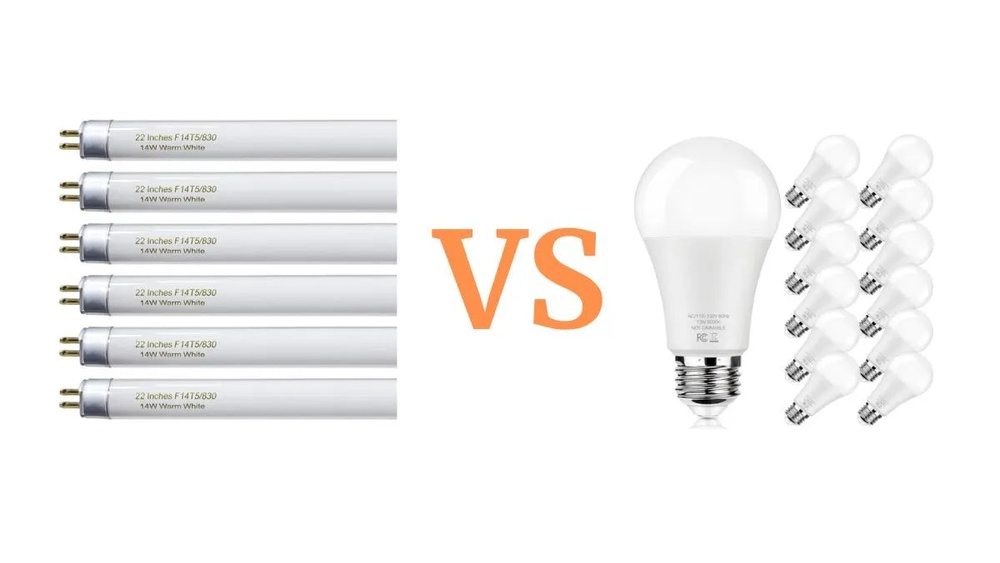
What is the Difference between Led Lights And Fluorescent Lights: Ultimate Guide
Affiliate links — we may earn a commission
Are you confused about whether to choose LED lights or fluorescent lights for your home or office? You’re not alone.
Both types of lighting have their own benefits and drawbacks, but understanding the key differences can help you make the best choice for your space and budget. You’ll discover how LED and fluorescent lights work, which one saves you more money, and how they impact your comfort and energy use.
Keep reading to find out which lighting option fits your needs perfectly.
Basic Features Of Led Lights
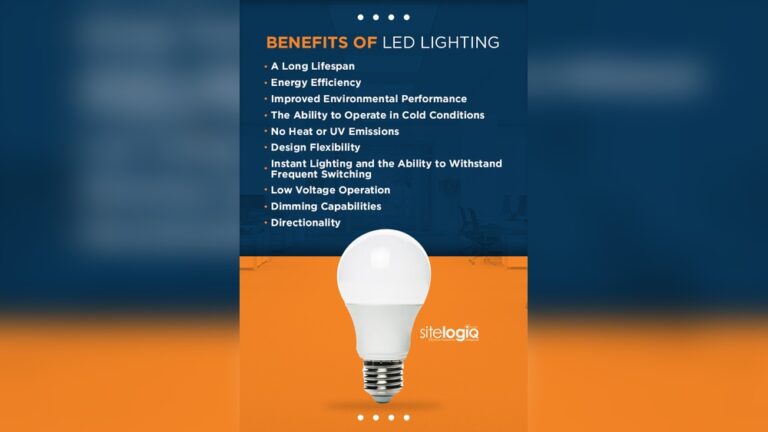
LED lights have changed how people light up homes and offices. They use less power and last longer than old bulbs. Their design is small and strong. LEDs give bright light without using much energy. They work well in many places, from small lamps to big street lights.
How Led Lights Work
LED stands for Light Emitting Diode. It is a tiny chip inside the bulb. When electricity flows through the chip, it makes light. This process uses less energy than other bulbs. The light comes directly from the chip, not from a heated wire.
Common Types Of Led Lights
There are many LED types for different uses. Bulbs for home lights come in shapes like spot, flood, and tube. Strip LEDs are thin and flexible, perfect for decoration. Some LEDs change color with a remote control. These options fit many needs and styles.
Energy Efficiency Of Leds
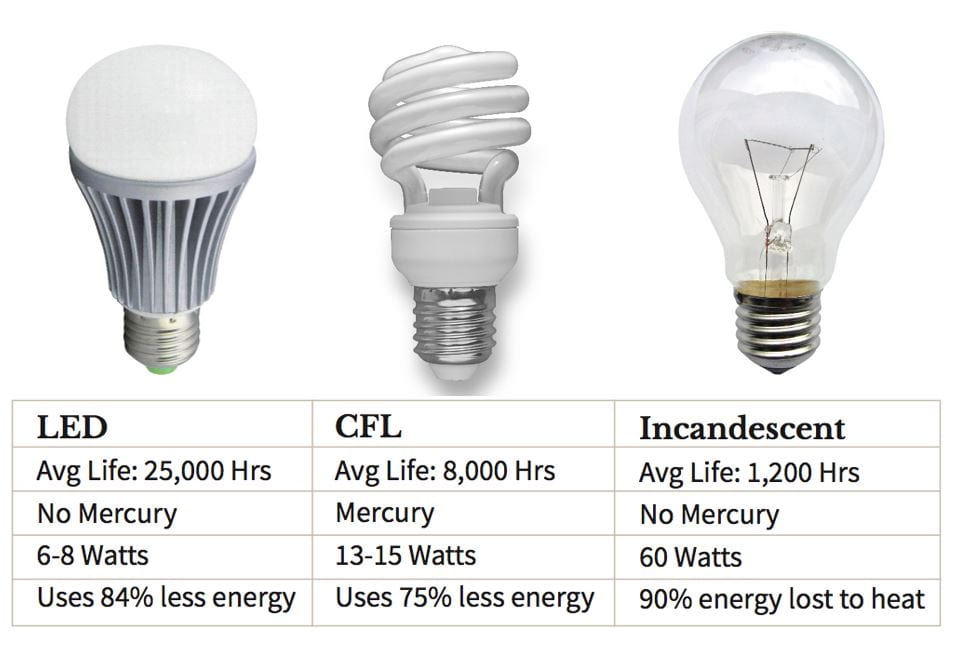
LED lights use much less power than fluorescent bulbs. They turn most energy into light, not heat. This saves money on electricity bills. LEDs also last many years without needing replacement. Lower energy use helps reduce pollution too.
Basic Features Of Fluorescent Lights
Fluorescent lights are common in homes, offices, and schools. They provide bright, even light and use less energy than traditional bulbs. These lights last longer and cost less to operate. Understanding their basic features helps to see why they are popular.
How Fluorescent Lights Work
Fluorescent lights use electricity to excite mercury vapor inside a tube. This process creates ultraviolet light. The light then hits a phosphor coating inside the tube. The coating changes ultraviolet light into visible light. This method makes fluorescent lights efficient and bright.
Common Types Of Fluorescent Lights
There are several types of fluorescent lights. The most common are tube lights, compact fluorescent lamps (CFLs), and circular tubes. Tube lights are long and fit in many fixtures. CFLs are small and can replace regular bulbs. Circular tubes are round and used in special fixtures.
Energy Efficiency Of Fluorescents
Fluorescent lights use less electricity than traditional bulbs. They convert more energy into light, not heat. This makes them cheaper to run. Fluorescents last longer, reducing the need for frequent replacements. Their energy efficiency helps save money and reduce electricity use.
Brightness And Color Quality
Brightness and color quality are important when choosing between LED lights and fluorescent lights. These factors affect how well you see and how natural colors appear. Brightness helps light up a space clearly. Color quality affects how true colors look under the light.
Light Output Comparison
LED lights produce bright and focused light. They use less energy to give the same brightness as fluorescent lights. Fluorescent lights spread light more evenly but often feel dimmer. LEDs reach full brightness instantly, unlike fluorescents which can take time. This makes LEDs better for places needing quick, bright light.
Color Rendering Index
The Color Rendering Index (CRI) shows how true colors appear under a light. LEDs usually have a higher CRI, above 80, which means colors look natural. Fluorescent lights often have a lower CRI, sometimes below 70, making colors look dull. A higher CRI helps in rooms where color accuracy is important, like kitchens or studios.
Color Temperature Options
LED lights come in many color temperatures. You can find warm yellow light or cool white light easily. This lets you choose light that fits your mood or space. Fluorescent lights have fewer color options and often give off a cold, bluish light. This can feel harsh in homes but may work in offices or schools.

Energy Consumption And Cost
Energy consumption and cost play a big role in choosing between LED lights and fluorescent lights. Understanding how much power these lights use helps save money on electricity bills. It also shows which option is better for long-term use.
Power Usage Differences
LED lights use much less power than fluorescent lights. LEDs convert most energy into light, not heat. Fluorescent lights waste more energy as heat. This means LEDs need fewer watts to shine as bright. Lower power use means lower electricity bills every month.
Initial Cost Vs Long-term Savings
Fluorescent lights cost less at first. Buying LED lights can be more expensive upfront. But LEDs save money over time because they use less power. The longer you use LED lights, the more you save on energy costs. This makes LEDs a smart choice for future savings.
Maintenance And Replacement Costs
LED lights last longer than fluorescent lights. This means fewer replacements and lower maintenance costs. Fluorescent bulbs often need replacing every year or two. LED lights can last for many years without issues. Less maintenance means saving money and less hassle.
Lifespan And Durability
Lifespan and durability are key factors when choosing lighting. They affect cost and maintenance needs. Longer-lasting lights save money and effort. Durability means lights handle wear and tear better. Let’s explore how LED and fluorescent lights compare in these areas.
Typical Lifespan Of Leds
LED lights usually last between 25,000 and 50,000 hours. This means they can work for many years with daily use. LEDs lose brightness slowly over time. They do not burn out suddenly. This long life reduces the need to replace bulbs often.
Typical Lifespan Of Fluorescents
Fluorescent lights last about 7,000 to 15,000 hours. They wear out faster than LEDs. Fluorescents can flicker or dim before failing. They often need replacement every few years. Frequent switching on and off shortens their life.
Resistance To Damage
LEDs are solid and strong. They resist shocks, drops, and vibrations well. This makes them good for rough use. Fluorescents have fragile glass tubes. They break easily from impact or bending. Careful handling is needed to avoid damage.
Environmental Impact
Understanding the environmental impact of lighting helps us choose better options. Both LED and fluorescent lights affect the planet differently. This section explains their effects on nature and waste.
Toxic Materials In Fluorescents
Fluorescent lights contain mercury, a harmful heavy metal. Mercury can leak if the bulb breaks or is thrown away carelessly. This pollution can poison water and soil. Handling and disposal require special care to avoid damage.
Leds And Sustainability
LED lights use less energy than fluorescents, cutting carbon emissions. They last longer, reducing waste from frequent replacements. LEDs do not contain mercury or other dangerous chemicals. This makes them safer for homes and the environment.
Recycling Considerations
Fluorescent bulbs must be recycled at special centers. Recycling keeps mercury from harming nature. LEDs also need recycling but are easier to process. Proper disposal of both types helps protect the planet from pollution.
Applications And Usage
Understanding the applications and usage of LED and fluorescent lights helps choose the right option. Both types serve different needs and environments. Each has strengths that fit specific settings and purposes. Exploring these uses can guide you in picking the best lighting for your space.
Best Uses For Led Lights
LED lights work well in homes and offices. They save energy and last long. LEDs suit places needing bright, focused light. Ideal for reading areas, kitchens, and workspaces. Also popular in street lighting and car headlights. Their durability fits harsh conditions like factories.
Best Uses For Fluorescent Lights
Fluorescent lights often appear in schools and hospitals. They provide broad, soft light over large areas. These lights are common in stores and warehouses. They cost less upfront than LEDs. Good for places where light stays on many hours. Not best for areas needing strong, sharp light.
Suitability For Indoor And Outdoor Lighting
LEDs perform well indoors and outdoors. They resist weather and temperature changes. Perfect for gardens, patios, and street lamps outside. Fluorescents mainly fit indoor use. They lose efficiency in cold or wet places. Indoor offices and classrooms benefit more from fluorescent lights.
Health And Safety Factors
Health and safety are key factors when choosing between LED and fluorescent lights. Lighting affects our comfort and well-being. Poor lighting can cause discomfort and health issues. Understanding these factors helps you pick safer, healthier lighting options.
Flicker And Eye Strain
Fluorescent lights often flicker. This flicker is sometimes hard to see but can cause eye strain. LED lights flicker less, reducing discomfort. Less flicker means less headache and tired eyes. For long use, LED lights are gentler on your eyes.
Uv Emission Levels
Fluorescent lights emit small amounts of UV rays. UV rays can harm the skin and eyes over time. LED lights produce almost no UV radiation. This makes LEDs safer for indoor lighting. Lower UV means less risk of skin and eye damage.
Mercury Content And Risks
Fluorescent lights contain mercury, a toxic metal. Broken bulbs can release mercury, posing health risks. Mercury is harmful if inhaled or swallowed. LED lights do not have mercury, making them safer to handle. Choosing LEDs reduces hazardous waste and health dangers.
Future Trends In Lighting
The future of lighting is moving fast. New technologies change how we light our homes and offices. Energy-saving and smart features become more important. Lighting is no longer just about brightness. It is about control, efficiency, and comfort. LED and fluorescent lights show this shift clearly.
Technological Advances In Leds
LED lights keep improving. They use less energy and last longer. New designs offer better color and brightness. LEDs can now fit many shapes and sizes. This makes them very flexible for different uses. Scientists work on making LEDs even more efficient. The goal is to reduce power use and increase lifespan.
Decline Of Fluorescent Lighting
Fluorescent lights are used less today. They contain harmful chemicals like mercury. Many countries restrict their use. LEDs are safer and easier to recycle. Fluorescents also use more energy than LEDs. This leads many to switch to LED lighting. The future will see fewer fluorescent lights in use.
Smart Lighting Integration
Smart lighting is becoming common. LED lights connect to phones and smart devices. Users can change brightness, color, and schedules easily. This adds comfort and saves energy. Smart lighting can react to daylight or presence. It makes homes and offices more efficient and pleasant.

Frequently Asked Questions
What Are The Main Differences Between Led And Fluorescent Lights?
LED lights use semiconductors to emit light, while fluorescent lights use gas and phosphor coatings. LEDs are more energy-efficient, last longer, and have better durability. Fluorescents often contain mercury and have slower start-up times. LEDs offer better color options and lower environmental impact.
Which Light Type Is More Energy-efficient, Led Or Fluorescent?
LED lights are significantly more energy-efficient than fluorescent lights. LEDs consume up to 75% less energy while providing the same brightness. This efficiency reduces electricity bills and environmental impact, making LEDs the preferred choice for sustainable lighting solutions.
Are Led Lights Safer Than Fluorescent Lights?
Yes, LED lights are safer because they contain no mercury or hazardous materials. Fluorescent tubes include small amounts of mercury, which can be harmful if broken. LEDs also generate less heat, reducing fire risks and making them safer for homes and workplaces.
How Do Led And Fluorescent Lights Compare In Lifespan?
LED lights typically last 25,000 to 50,000 hours, much longer than fluorescent bulbs, which last around 7,000 to 15,000 hours. This longer lifespan means fewer replacements and lower maintenance costs with LED lighting.
Conclusion
LED lights and fluorescent lights serve different needs. LEDs use less energy and last longer. Fluorescent lights cost less upfront but need more power. Both types have pros and cons. Choose based on your budget and lighting needs. Brightness, efficiency, and lifespan matter most.
Understanding these differences helps you make smart choices. Your space will look better with the right light. Simple and clear—pick what fits best.

Alex Navarro
Hi, I'm leds.to, the founder of the world's #1 LED lighting review site. At leds.to, we strive to provide you with the most comprehensive and reliable reviews on LED lighting products. Whether you're looking for car LEDs, super bright LEDs, or even grow light LEDs, you'll find all the information you need right here on our site. With years of experience in the industry, I'll guide you towards making the best purchasing decisions for your lighting needs. Trust me to shed light on the world of LEDs and help you find the perfect lighting solutions.