Best Way to Put Led Lights in Room: Transform Your Space Instantly
Affiliate links — we may earn a commission
Are you looking to brighten up your room with LED lights but aren’t sure where to start? Finding the best way to put LED lights in your room can transform your space instantly.
Imagine creating the perfect mood, highlighting your favorite corners, or even making your room look bigger and more inviting—all with just a few simple steps. You’ll discover easy, practical tips that anyone can follow to get stunning LED lighting results.
Keep reading, and you’ll learn how to turn your room into a cozy, stylish haven that feels just right for you.
Choosing The Right Led Lights
Choosing the right LED lights is key to creating a cozy and bright room. The perfect lights improve mood and highlight your space. Picking suitable LEDs depends on the room’s purpose and style. Consider different types, color temperatures, and energy use to get the best results.
Types Of Led Lights For Rooms
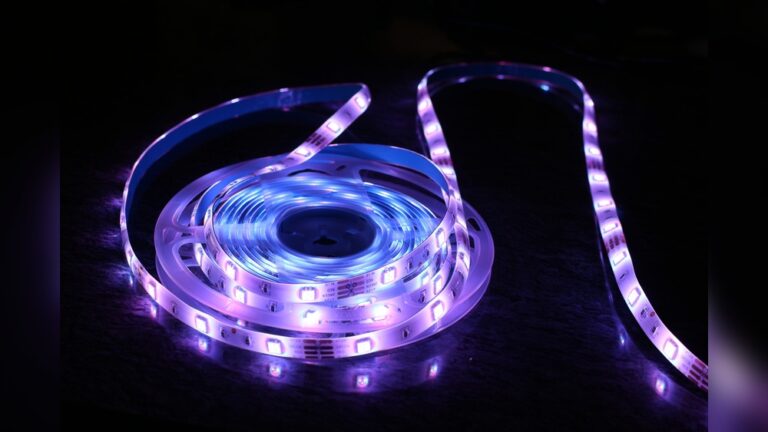
LED lights come in many shapes and sizes. Strip lights work well for indirect lighting and add a soft glow. Bulbs fit standard fixtures and offer focused or general light. Panel LEDs spread light evenly, ideal for workspaces. Spotlights highlight art or decor. Choose based on the room’s layout and lighting needs.
Color Temperature And Brightness
Color temperature affects the room’s feel. Warm white (2700K–3000K) creates a cozy, relaxed mood. Cool white (4000K–5000K) boosts focus and energy, good for kitchens or offices. Brightness is measured in lumens. Bedrooms need softer light, around 800 lumens. Living areas might need 1500 lumens or more. Match brightness to room size and purpose.
Energy Efficiency Considerations
LEDs save energy and cut electricity bills. Look for lights with high lumens per watt. This means more light with less power. Check for ENERGY STAR certification for quality and efficiency. Use dimmable LEDs to control light and save more energy. Efficient lighting helps the environment and your wallet.
Planning Your Led Layout
Planning your LED layout is the first step to a well-lit room. It helps you decide where to place lights for the best effect. Careful planning saves time and money. It also makes your room look balanced and cozy.
Think about how the light will fall and what parts of the room need more brightness. Good planning creates a nice atmosphere and highlights important spots. It also allows you to use energy more wisely.
Assessing Room Size And Shape
Measure the room’s length, width, and height. Large rooms need more lights or stronger bulbs. Small rooms do better with fewer, softer lights. Odd shapes may need lights in corners or unusual spots.
High ceilings require brighter lights or lights placed higher. Low ceilings work well with flush or recessed lights. Knowing your room size and shape helps pick the right LED strips or bulbs.
Highlighting Key Areas
Identify spots you want to focus on. This could be a reading chair, artwork, or a work desk. Use LED lights to draw attention to these places. Bright, focused lights work well here.
Use spotlights or adjustable LEDs to highlight key features. Avoid placing strong lights where they cause glare. Proper lighting makes these areas more useful and attractive.
Creating Mood Zones
Divide your room into different zones based on activities. For example, a relaxing corner, a work area, and a social space. Use dimmable LEDs to change light brightness in each zone.
Warm light suits relaxing zones. Cooler light helps in workspaces. Use separate controls or smart switches for each mood zone. This setup adds comfort and style to your room.
Installation Techniques
Installing LED lights in a room can change its look and feel quickly. The right installation technique makes the lighting effective and safe. It also helps you control brightness and color easily.
This section covers three key ways to install LED lights. Each method fits different needs and room styles. Understanding these techniques helps you choose the best option.
Mounting Led Strips
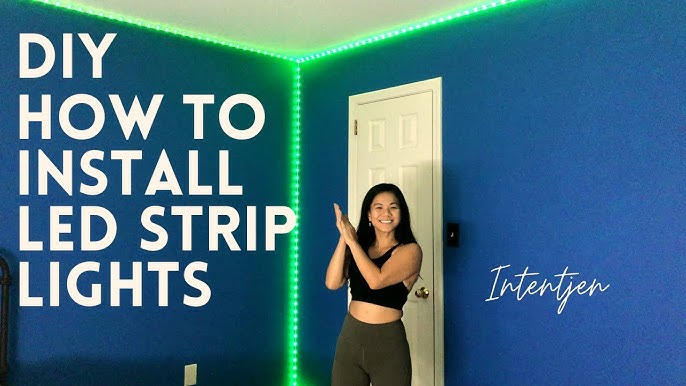
LED strips are flexible and easy to mount. Clean the surface before sticking the strip to it. Use the adhesive backing on the strip for a secure hold.
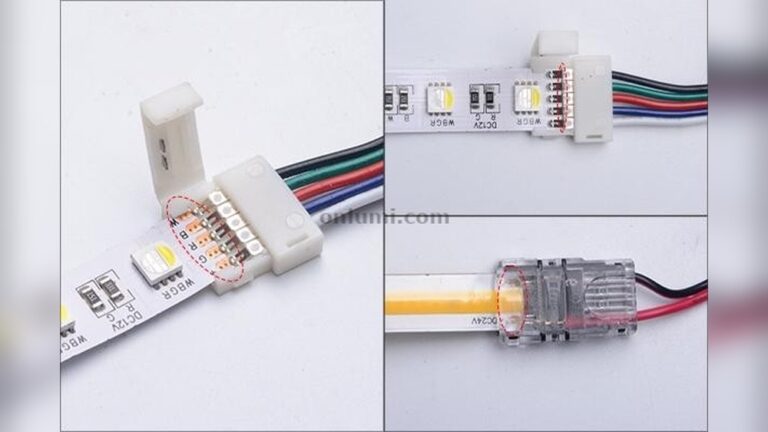
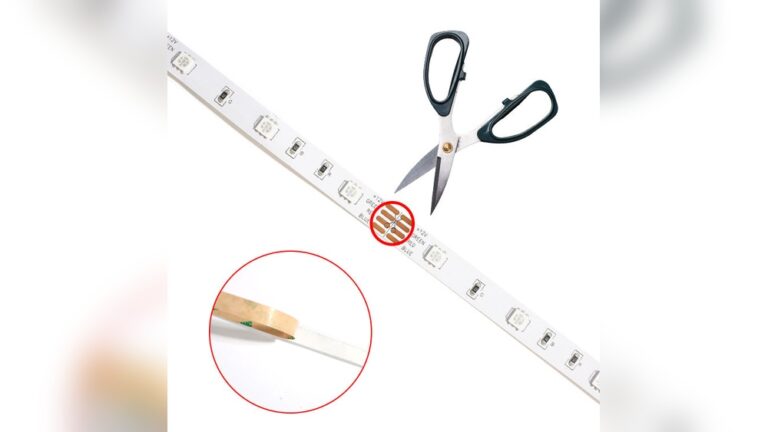
Cut strips only at marked points to avoid damage. Connect strips with clips or solder wires for longer runs. Place strips under cabinets, behind TVs, or along ceilings.
Incorporating Recessed Lights
Recessed lights sit flush with the ceiling. They provide a clean, modern look. Cut holes in the ceiling to fit the light housings.
Wire the lights to your home’s electrical system carefully. Use LED recessed lights for low heat and energy use. Space lights evenly for balanced illumination.
Using Smart Controls
Smart controls let you change light color and brightness easily. Use apps or voice commands with smart bulbs or switches. Install smart dimmers or hubs to connect multiple lights.
This option adds convenience and saves energy. Set schedules to turn lights on or off automatically. Control lights from anywhere using your phone.
Creative Lighting Ideas
Creative lighting ideas transform a room with style and mood. LED lights offer flexible options to brighten spaces uniquely. Using LED strips and smart placement can change how a room feels. The right lighting creates warmth, highlights features, and adds charm.
Accent Walls With Led Strips
LED strips bring accent walls to life with vibrant colors. Place strips around the edges to create a glowing frame. Choose colors that match your room’s theme or mood. Soft blues or warm yellows can make a wall pop. This method highlights artwork or textured surfaces beautifully.
Under Furniture Lighting
Lighting under furniture adds subtle brightness and a floating effect. Attach LED strips beneath beds, sofas, or shelves for a soft glow. This technique enhances space without harsh overhead lights. It also helps guide your way in the dark. Use warm white for cozy vibes or cool white for modern looks.
Ceiling And Cove Lighting Effects
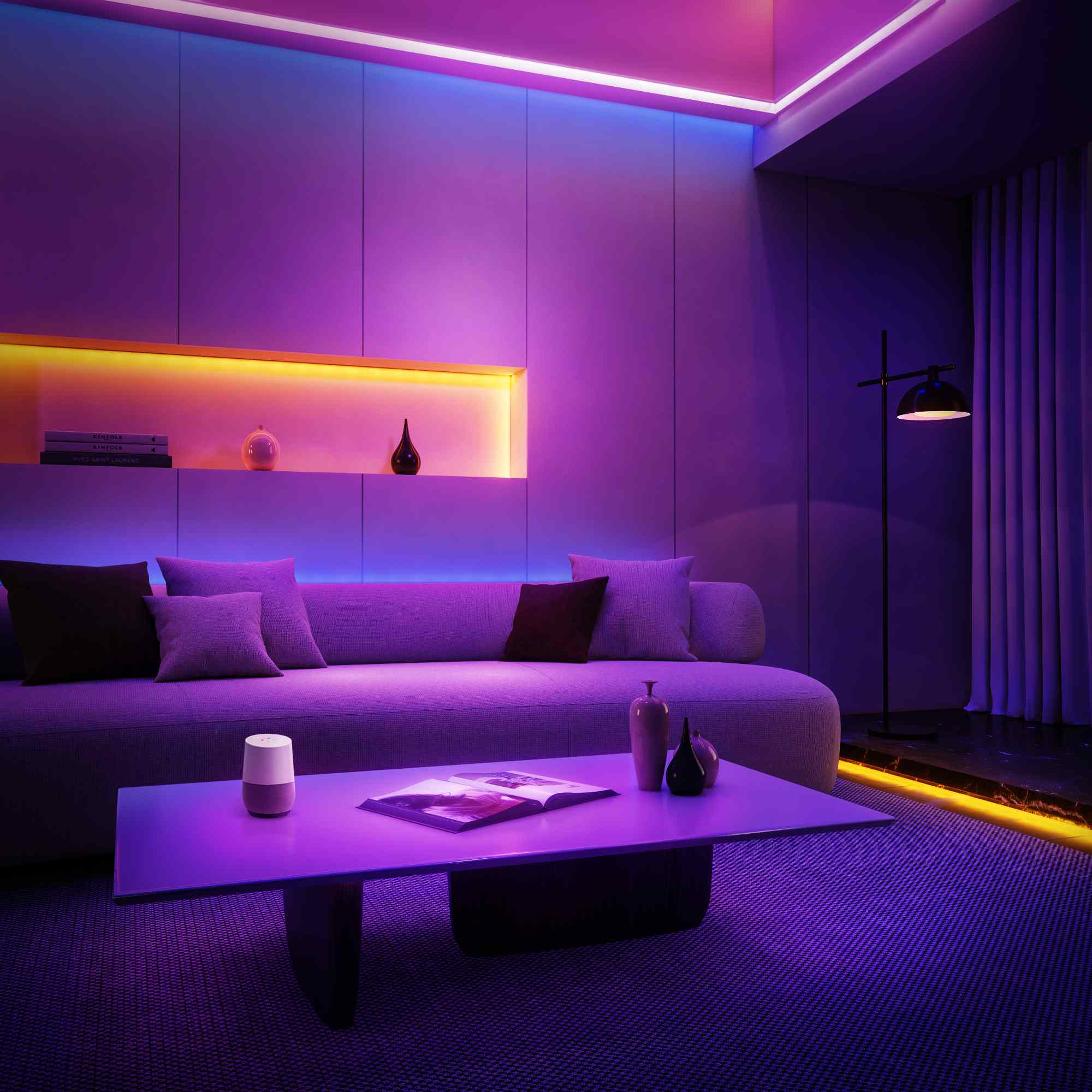
LEDs hidden in ceilings or coves offer indirect, soothing light. This design avoids glare and spreads light evenly. Cove lighting adds depth and drama to any room. Choose dimmable LEDs to change brightness for different times. This lighting style suits living rooms and bedrooms well.
Safety And Maintenance Tips
LED lights brighten any room with style and energy savings. Safety and maintenance keep them working well and lasting longer. Simple steps help avoid accidents and costly repairs. Follow these tips to enjoy your LED lights safely and efficiently.
Proper Wiring Practices
Use the right wires for your LED lights. Check the voltage and current ratings before installation. Avoid overloading circuits to prevent electrical fires. Secure connections tightly to stop loose wires. Switch off power before working on wiring. Use certified tools and materials for safety. If unsure, hire a professional electrician.
Cleaning And Upkeep
Clean LED lights regularly to keep brightness high. Use a soft, dry cloth to remove dust. Avoid water or harsh chemicals that damage the lights. Check bulbs for signs of wear or damage. Replace faulty parts immediately to avoid bigger issues. Keep the area around lights clear of debris and moisture.
Troubleshooting Common Issues
LED lights flicker due to loose wiring or voltage problems. Check connections and tighten any loose wires. Dim lights may need a compatible dimmer switch. Flickering can also signal a bad bulb needing replacement. If lights don’t turn on, test the power source first. Consult a professional if problems persist after basic checks.

Frequently Asked Questions
How Do I Choose The Best Led Lights For My Room?
Choose LED lights based on room size, purpose, and mood. Consider brightness, color temperature, and energy efficiency. Warm white suits cozy spaces, cool white fits work areas. Dimmable LEDs add flexibility for different atmospheres. Quality and warranty also matter for long-term use.
Where Should I Place Led Strip Lights In A Room?
Place LED strip lights under cabinets, along ceilings, or behind furniture. These spots create ambient, indirect lighting and highlight room features. Avoid direct glare by hiding strips. Use corners and coves to enhance depth and visual appeal. Proper placement boosts room atmosphere effectively.
Can Led Lights Improve Room Ambiance?
Yes, LED lights significantly improve room ambiance. They offer customizable colors and brightness levels. You can create relaxing, vibrant, or focused atmospheres easily. LEDs consume less power and last longer, enhancing comfort and style. Smart LED options add convenience with remote control and scheduling.
What Is The Best Color Temperature For Led Room Lights?
The best color temperature depends on room use. Warm white (2700K-3000K) suits bedrooms and living rooms for a cozy feel. Neutral white (3500K-4100K) fits kitchens and workspaces. Cool white (5000K-6500K) is ideal for reading or task lighting. Choose based on desired mood and function.
Conclusion
LED lights brighten rooms with style and save energy. Choose the right placement to create a warm, inviting space. Soft glow behind furniture adds depth and comfort. Use strips along ceilings for modern, clean lines. Experiment with colors to match your mood and decor.
Simple steps bring big changes to your room’s look. Enjoy the cozy feel and low cost of LED lights. Small efforts can make your space shine bright every day.

Alex Navarro
Hi, I'm leds.to, the founder of the world's #1 LED lighting review site. At leds.to, we strive to provide you with the most comprehensive and reliable reviews on LED lighting products. Whether you're looking for car LEDs, super bright LEDs, or even grow light LEDs, you'll find all the information you need right here on our site. With years of experience in the industry, I'll guide you towards making the best purchasing decisions for your lighting needs. Trust me to shed light on the world of LEDs and help you find the perfect lighting solutions.