Is Led Lights Better Than Fluorescent: Ultimate Energy Showdown
Affiliate links — we may earn a commission
Are you wondering if LED lights are truly better than fluorescent ones for your home or office? Choosing the right lighting can affect your comfort, energy bills, and even your mood.
You want a solution that saves money, lasts long, and brightens your space just right. You’ll discover the real differences between LED and fluorescent lights, helping you make the smartest choice for your needs. Keep reading to find out which option can brighten your life the best.
Energy Efficiency Comparison
Energy efficiency is a key factor when choosing lighting. LED lights and fluorescent lights differ a lot in this area. Understanding their energy use helps you save money and reduce waste.
Here is a clear look at how they compare in power use, lifespan, and heat output.
Power Consumption Differences
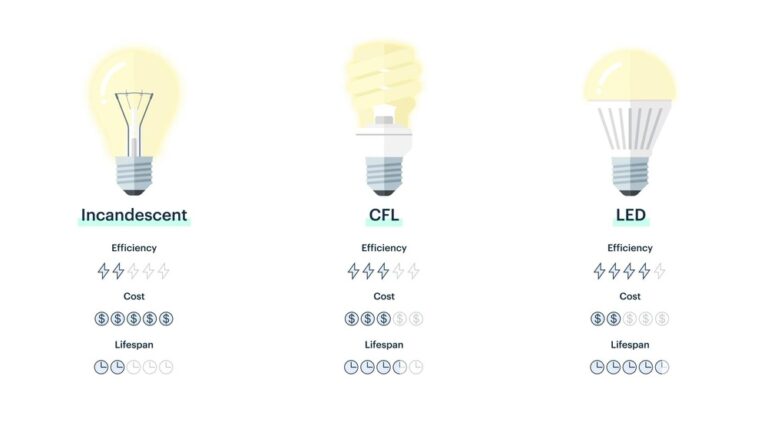
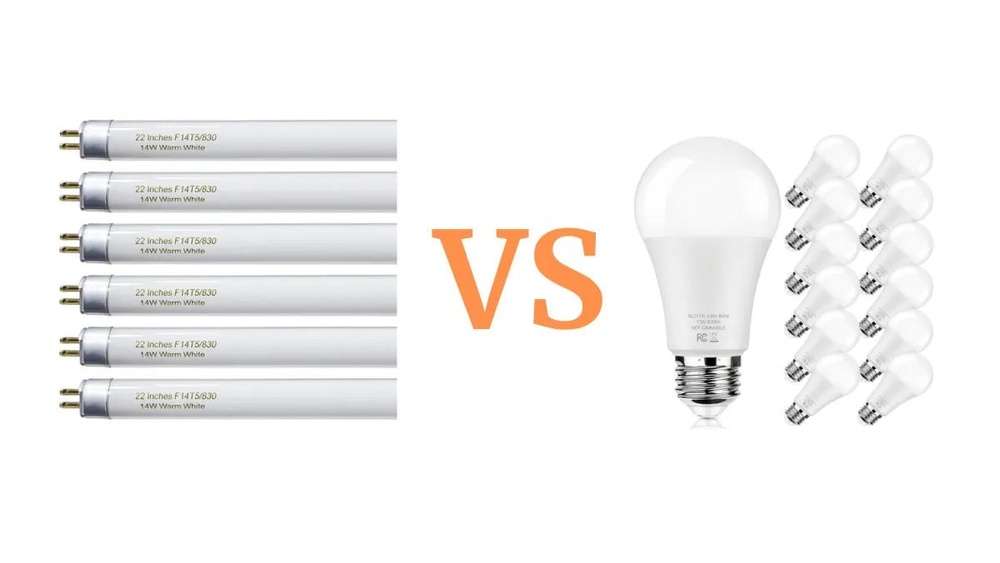
LED lights use much less electricity than fluorescent bulbs. A typical LED uses about 75% less power. This means lower electric bills and less energy waste. Fluorescent lights need more energy to produce the same brightness. LED technology is designed to be more efficient from the start. This makes LEDs better for long-term savings and energy use.
Lifespan And Durability
LED lights last far longer than fluorescent tubes. LEDs can work 25,000 to 50,000 hours. Fluorescent bulbs usually last about 7,000 to 15,000 hours. This means fewer replacements and less waste with LEDs. LEDs are also stronger. They resist shocks and vibrations better than fragile fluorescent tubes. This durability lowers maintenance and replacement costs over time.
Heat Emission Levels
LED lights produce very little heat. They convert most energy into light. Fluorescent bulbs release more heat, wasting energy as warmth. Less heat means cooler rooms and less need for air conditioning. This adds to energy savings. Cooler lights are also safer to touch and reduce fire risk. LEDs are the better choice for low heat output.

Cost Analysis
Cost analysis plays a key role in choosing between LED and fluorescent lights. Understanding the expenses helps to decide which option fits the budget best. It covers the money spent at the start and over time.
Examining initial costs, ongoing savings, and maintenance fees provides a clear picture. This guide breaks down these areas to help make smart choices.
Initial Investment
LED lights usually cost more upfront than fluorescent bulbs. The price difference can be two to three times higher. This is due to advanced technology and longer lifespan. Fluorescent lights have a lower initial price, making them popular for tight budgets. Still, the higher cost of LEDs may be worth it for future savings.
Long-term Savings
LED lights use less energy than fluorescent bulbs. This cuts electricity bills significantly over time. They also last longer, reducing the need for frequent replacement. Fluorescent lights consume more power and have a shorter life span. Using LEDs can lead to big savings in energy and replacements over several years.
Maintenance Expenses
LED lights require less upkeep than fluorescent ones. They rarely need bulb changes or repairs. Fluorescent bulbs often need replacement and careful handling. They contain mercury, which increases disposal costs. Lower maintenance costs make LEDs a practical choice for many users.
Light Quality And Performance
Light quality and performance are key factors in choosing the right lighting. They affect how well you see and how comfortable your eyes feel. Both LED and fluorescent lights offer different benefits in these areas. Understanding these differences helps you pick the best light for your needs.
Brightness And Color Options
LED lights often provide brighter light than fluorescent bulbs. They come in many color options, from warm white to cool daylight. Fluorescent lights usually have fewer color choices. LED brightness can be adjusted easily with dimmers. This flexibility helps create the perfect mood or workspace lighting.
Flicker And Eye Comfort
Fluorescent lights tend to flicker more, which can strain the eyes. Some people may feel headaches or tiredness under fluorescent lighting. LEDs have little to no flicker, making them easier on the eyes. This helps reduce eye strain during long use. LED lights offer a steady and smooth light flow.
Warm-up Time
Fluorescent bulbs often take time to reach full brightness. This warm-up period can last several seconds or more. LED lights turn on instantly at full brightness. No waiting means better convenience and efficiency. Instant light is especially useful in places like kitchens or garages.
Environmental Impact
The environmental impact of lighting choices matters a lot today. Lights use energy and materials that affect our planet. Choosing the right type helps reduce harm to nature. LED and fluorescent lights differ in many ways. Understanding these differences can guide better decisions for homes and businesses.
Energy Usage And Carbon Footprint
LED lights use much less energy than fluorescent bulbs. Less energy means fewer greenhouse gases from power plants. Fluorescent lights consume more electricity and produce more carbon emissions. Using LEDs cuts down your carbon footprint over time. This change helps fight climate change and saves money.
Material Toxicity And Disposal
Fluorescent lights contain mercury, a harmful toxic metal. Mercury can pollute water and soil if bulbs break or are thrown away carelessly. LEDs do not have mercury, making them safer to handle. They still contain some metals but in smaller, less risky amounts. Proper disposal is important for both types to protect the environment.
Recyclability
LED lights are easier to recycle due to simpler materials. Fluorescent bulbs need special handling to safely remove mercury. Recycling LEDs helps recover valuable metals and reduces waste. Fluorescent bulb recycling programs exist but are less common. Choosing LED lighting supports better recycling and less landfill waste.
Application Suitability
Choosing the right lighting depends on where you will use it. Different spaces need different light types. LED and fluorescent lights both have uses. But one may fit a place better than the other. Understanding where each light works best helps in making a smart choice.
Residential Use
LED lights suit homes well. They use less electricity and last longer. This saves money on bills and replacements. LEDs give soft, warm light that feels cozy. Fluorescent lights can be harsh and flicker. This can bother eyes and cause discomfort. LEDs also turn on instantly, perfect for rooms where quick light is needed.
Commercial Spaces
In offices and stores, bright light is important. LED lights provide clear, consistent brightness. This helps workers stay alert and customers see products clearly. Fluorescent lights have been common here for years. But they flicker and hum, which may distract people. LEDs reduce these problems and cut energy costs. They also last longer, lowering maintenance needs in busy places.
Outdoor Lighting
Outdoor lights must handle weather and last long. LED lights are tough and energy-efficient. They work well in cold and hot temperatures. LEDs turn on quickly, useful for security lights. Fluorescent bulbs are less durable outside. They can break easily and waste power. LEDs offer strong, bright light that improves safety around homes and streets.
Technological Advances
LED lights have improved a lot because of new technology. These advances make LED lights smarter and more useful than fluorescent lights. Technology helps LED lights save energy and work better in homes and offices.
Smart features and better control options give LED lights an edge. They can do more than just turn on and off. These changes show why LEDs are becoming popular for many uses.
Smart Lighting Features
LED lights now come with smart controls. You can change brightness and color using a phone app. Some LEDs adjust light based on the time of day. They can save energy by dimming automatically. Motion sensors can turn lights on when you enter a room. These features make LED lights more flexible than fluorescent bulbs.
Integration With Home Systems
LED lights easily connect to smart home systems. They work with devices like Alexa and Google Home. You can control lights with voice commands. Integration allows scheduling lights to fit your daily routine. This connection makes managing home lighting simple and efficient. Fluorescent lights usually do not support these smart options.
Future Trends
LED technology will keep improving. Expect better energy savings and longer lifespans. New designs will offer more lighting styles and effects. Smart lighting will become more affordable for everyone. Integration with other smart devices will grow stronger. These trends point to LEDs as the future of lighting.
Frequently Asked Questions
Are Led Lights More Energy-efficient Than Fluorescent?
Yes, LED lights use up to 75% less energy than fluorescent bulbs. They convert more electricity into light, saving power and reducing bills.
Do Led Lights Last Longer Than Fluorescent Bulbs?
LED lights typically last 25,000 to 50,000 hours, much longer than fluorescent bulbs. This reduces replacement frequency and maintenance costs.
Are Led Lights Safer Than Fluorescent Lighting?
LEDs contain no mercury, unlike fluorescents, making them safer to handle and dispose of. They also emit less heat, reducing fire risks.
Can Led Lights Provide Better Light Quality Than Fluorescent?
Yes, LEDs offer better color rendering and consistent brightness. They produce less flicker and glare, improving visual comfort and reducing eye strain.
Conclusion
LED lights use less energy and last much longer than fluorescent bulbs. They save money on electricity bills and need fewer replacements. LED lights also work better in cold places and turn on instantly. Fluorescent lights may cost less at first but wear out faster.
Choosing LED lights means better light quality and less waste. Small changes like this can help the environment and your budget. So, LED lights often prove to be the smarter choice overall.

Alex Navarro
Hi, I'm leds.to, the founder of the world's #1 LED lighting review site. At leds.to, we strive to provide you with the most comprehensive and reliable reviews on LED lighting products. Whether you're looking for car LEDs, super bright LEDs, or even grow light LEDs, you'll find all the information you need right here on our site. With years of experience in the industry, I'll guide you towards making the best purchasing decisions for your lighting needs. Trust me to shed light on the world of LEDs and help you find the perfect lighting solutions.