How to Pick the Right Led Light Bulb: Ultimate Buyer’s Guide
Affiliate links — we may earn a commission
Choosing the right LED light bulb might seem simple, but it can quickly become confusing with so many options available. You want a bulb that saves energy, lasts long, and gives off the perfect light for your space.
But how do you know which one fits your needs? This guide will help you make a smart choice that brightens your home and your day. Keep reading, and you’ll discover easy tips to pick the perfect LED bulb without any guesswork.
Types Of Led Bulbs
LED bulbs come in many types to fit different needs and spaces. Each type offers unique features for brightness, control, and style. Understanding these types helps you choose the best bulb for your home or office.
Standard Led Bulbs
Standard LED bulbs are the most common choice. They replace traditional bulbs with better energy efficiency. These bulbs last longer and use less power. They fit most lamps and fixtures easily. Choose them for everyday lighting needs.
Smart Led Bulbs
Smart LED bulbs connect to your phone or voice assistant. You can change colors and brightness remotely. Set schedules or timers for convenience. They help create moods with different lighting scenes. Perfect for tech-savvy users.
Dimmable Led Bulbs
Dimmable LED bulbs let you adjust brightness levels. Use a compatible dimmer switch to create soft or bright light. Ideal for living rooms or bedrooms. They save energy by lowering power use at lower brightness.
Specialty Led Bulbs
Specialty LED bulbs include shapes like globes, tubes, and spotlights. Some are designed for outdoor use or decorative fixtures. Others provide focused light for tasks. Pick specialty bulbs for unique lighting needs or styles.
Key Features To Consider
Choosing the right LED light bulb means understanding a few key features. These features affect the bulb’s brightness, color, energy use, and how long it lasts. Knowing them helps you pick a bulb that fits your needs perfectly.
Brightness And Lumens
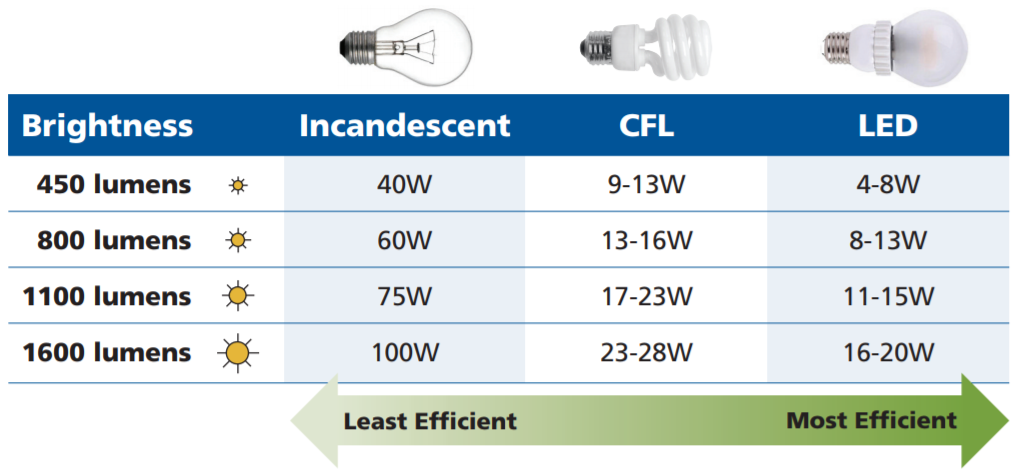
Brightness is not about watts but lumens. Lumens measure the light output you get from a bulb. A higher lumen number means brighter light. For example, a 800-lumen bulb is good for a living room. Check lumens to match the light level you want.
Color Temperature
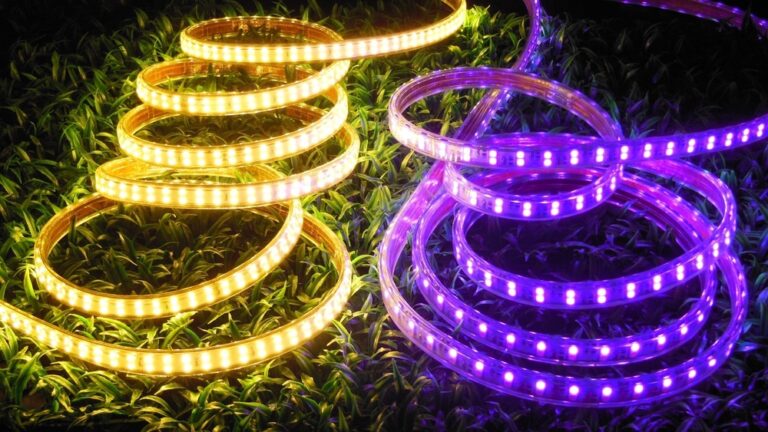
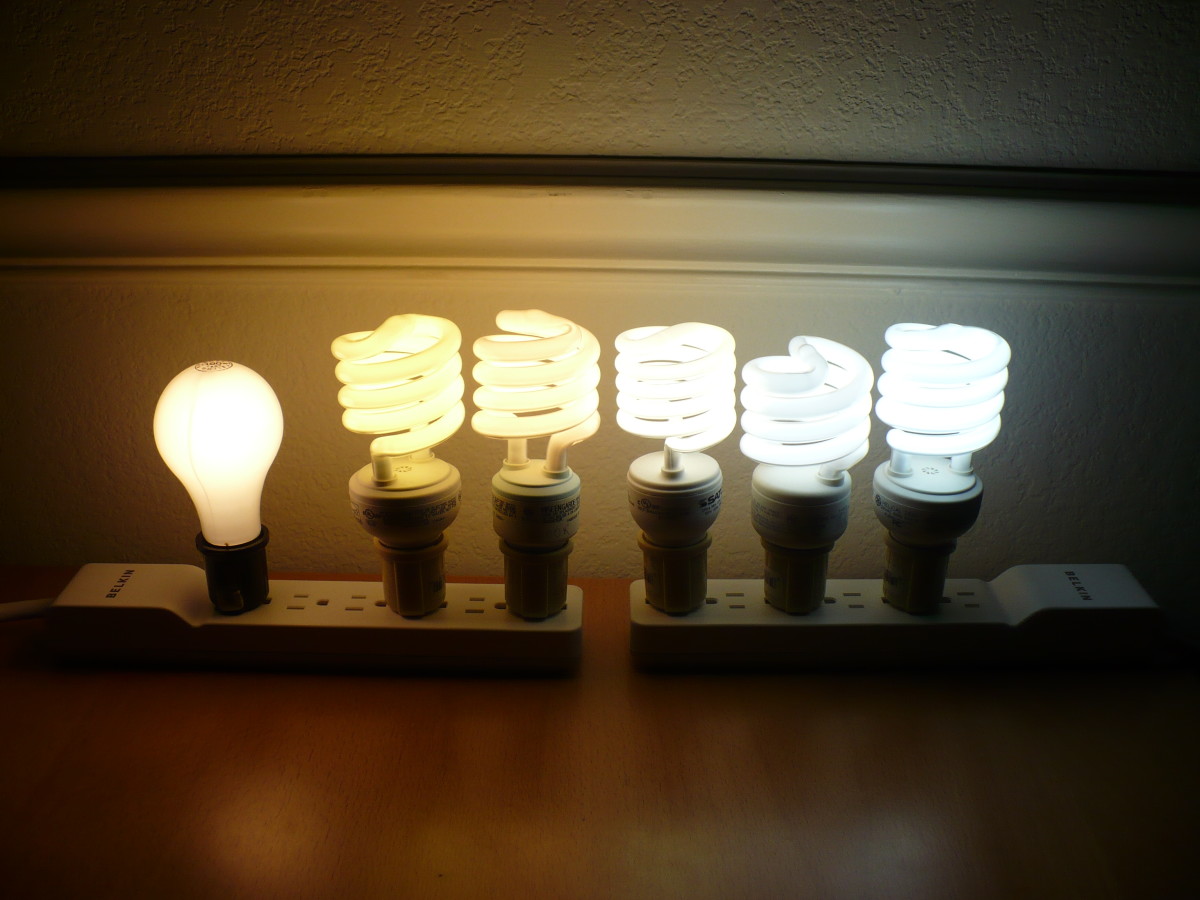
Color temperature tells you how warm or cool the light looks. It is measured in Kelvins (K). Lower Kelvins, like 2700K, give warm, yellow light. Higher Kelvins, like 5000K, give cool, blue light. Pick a temperature based on the room’s mood and use.
Wattage And Energy Efficiency
Wattage shows how much energy a bulb uses. LED bulbs use fewer watts than old bulbs for the same brightness. A 10-watt LED can replace a 60-watt incandescent bulb. Look for bulbs with low wattage and high lumens for savings.
Lifespan And Durability
LED bulbs last longer than traditional bulbs. Most last 15,000 to 25,000 hours. This means fewer replacements and less waste. Check for bulbs with good build quality and strong materials to avoid damage and save money.
Choosing The Right Base And Shape
Choosing the right base and shape for your LED light bulb is important. These features affect how the bulb fits and how it lights up your space. Picking the correct base ensures the bulb fits into your fixture securely. The shape changes the light spread and style. Understanding these basics helps you select the perfect bulb for your needs.
Common Base Types
The base connects the bulb to the fixture and power. The most popular base is the E26, also known as the standard screw base. It fits most lamps and ceiling fixtures. Another common type is the E12 candelabra base, used in chandeliers and smaller lamps.
Some bulbs have bayonet bases, like the B22. These twist and lock into place. Pin bases, such as GU10 or G4, push into sockets and are common in spotlights. Always check your fixture’s base type before buying a bulb.
Bulb Shapes And Their Uses
Bulb shape affects light distribution and style. A19 bulbs are round and perfect for general room lighting. They fit most lamps and ceiling fixtures. Globe bulbs have a larger round shape and work well in decorative fixtures.
Tube-shaped bulbs, like T8 or T10, fit in long fixtures such as under cabinets or workspaces. Spot and flood bulbs direct light in a focused beam, great for highlighting areas. Choose the shape that matches your fixture and lighting needs.
Matching Led Bulbs To Fixtures
Choosing the right LED bulb means matching it to the fixture. Not all bulbs work well in every light fixture. The shape, size, and base type of the bulb must fit the fixture perfectly. This ensures safety and optimal light output. Also, the bulb’s features should suit the fixture’s purpose. Understanding these details helps pick the best LED bulb for each space.
Indoor Lighting Options
Indoor fixtures come in many shapes and sizes. Some use small bulbs like candelabra or GU10. Others need standard bulbs like A19 or BR30. Check the fixture’s label for bulb type and wattage limits. Choose LED bulbs that fit inside the fixture without touching the sides. Warm white LEDs work well in living rooms and bedrooms. Cooler white suits kitchens and workspaces.
Outdoor Lighting Needs
Outdoor fixtures face weather and temperature changes. Use LED bulbs rated for outdoor use. These bulbs resist moisture and last longer. Floodlights, porch lights, and garden lamps need different bulb types. Look for bulbs with a high IP rating for water resistance. Brightness matters here; stronger light improves safety and visibility. Choose bulbs that match fixture size and socket type.
Compatibility With Dimmer Switches
Not all LED bulbs work with dimmers. Using the wrong bulb can cause flickering or buzzing. Buy bulbs labeled as dimmable if your fixture has a dimmer switch. Check the dimmer switch’s compatibility with LED bulbs. Some dimmers work only with certain LED types. Proper matching avoids electrical problems and ensures smooth dimming.
Budget And Brand Considerations
Choosing the right LED light bulb means thinking about both budget and brand. Spending a little more can save money later. The brand you pick affects quality and how long the bulb lasts. Smart buyers balance cost with reliability to get the best value.
Balancing Cost And Quality
Cheap bulbs might seem like a good deal at first. They can burn out quickly or use more energy. Higher-quality bulbs cost more but last longer and save power. Decide how much you want to spend now versus future savings. A mid-range bulb often offers the best balance.
Trusted Led Brands
Choose brands known for making reliable LED bulbs. Big names usually have good quality control. They use better materials and test their products well. Reading reviews helps find brands with happy customers. Trusted brands reduce the chance of defects or early failure.
Warranty And Customer Support
A strong warranty shows confidence in the product. Look for bulbs with at least a 2-year warranty. Good customer support helps if the bulb stops working. Some brands offer easy returns or replacements. This saves money and trouble if problems arise.
Energy Savings And Environmental Impact
Choosing the right LED light bulb helps save energy and protect the environment. LED bulbs use less electricity than traditional bulbs. They last longer and reduce waste. This section explains how to measure energy savings and pick eco-friendly LEDs for your home.
Calculating Energy Savings
Start by checking the wattage on the LED bulb. Compare it to the wattage of your old bulb. Lower wattage means less electricity used. Multiply the watt difference by the hours you use the light daily. This gives you daily energy savings. Multiply by 365 for yearly savings. This simple math shows how much energy you save.
Eco-friendly Led Choices
Choose LEDs with the Energy Star label. These bulbs meet strict energy efficiency rules. Look for bulbs made with non-toxic materials. Avoid bulbs that contain mercury. Pick LEDs with recyclable parts. These choices lower your carbon footprint. They help reduce pollution and waste. Using eco-friendly LEDs supports a cleaner planet.
Frequently Asked Questions
What Factors Should I Consider When Choosing Led Bulbs?
Consider brightness, color temperature, wattage, and bulb shape. Match these with your fixture and room needs for best results. Energy efficiency and lifespan are also key factors.
How Do Lumens Affect Led Bulb Brightness?
Lumens measure brightness, not watts. Higher lumens mean brighter light. Choose lumens based on room size and lighting purpose for optimal illumination.
What Color Temperature Is Best For Led Bulbs?
Choose warm white (2700-3000K) for cozy spaces. Use cool white (3500-4100K) for work areas. Daylight (5000-6500K) suits task lighting and offices.
Can Led Bulbs Work With Dimmer Switches?
Not all LEDs are dimmable. Check packaging for dimmer compatibility. Use compatible dimmers to avoid flickering and extend bulb life.
Conclusion
Choosing the right LED light bulb can save energy and money. Think about brightness, color, and size before buying. Check the bulb’s lifespan to avoid frequent changes. Match the bulb with your fixture for best results. Good lighting makes any room feel better and brighter.
Take your time and pick a bulb that suits your needs. This helps you get the most from your lighting choice. Bright, efficient light is within your reach.

Alex Navarro
Hi, I'm leds.to, the founder of the world's #1 LED lighting review site. At leds.to, we strive to provide you with the most comprehensive and reliable reviews on LED lighting products. Whether you're looking for car LEDs, super bright LEDs, or even grow light LEDs, you'll find all the information you need right here on our site. With years of experience in the industry, I'll guide you towards making the best purchasing decisions for your lighting needs. Trust me to shed light on the world of LEDs and help you find the perfect lighting solutions.