How to Choose the Right Led Lighting Product Color Temperature: Ultimate Guide
Affiliate links — we may earn a commission
Choosing the right LED lighting color temperature can change the entire feel of your space. Are you struggling to pick between warm, cool, or daylight tones?
Your choice affects everything—from mood and comfort to productivity and style. This guide will help you understand what each color temperature means and how to select the perfect one for your home or office. By the end, you’ll feel confident making a choice that brightens your space exactly the way you want.
Keep reading to discover how simple it is to get your lighting just right.

Color Temperature Basics
Choosing the right color temperature for LED lighting affects how a room feels. It impacts mood, productivity, and even how colors appear. Understanding the basics of color temperature helps you pick the best light for any space.
Kelvin Scale Explained
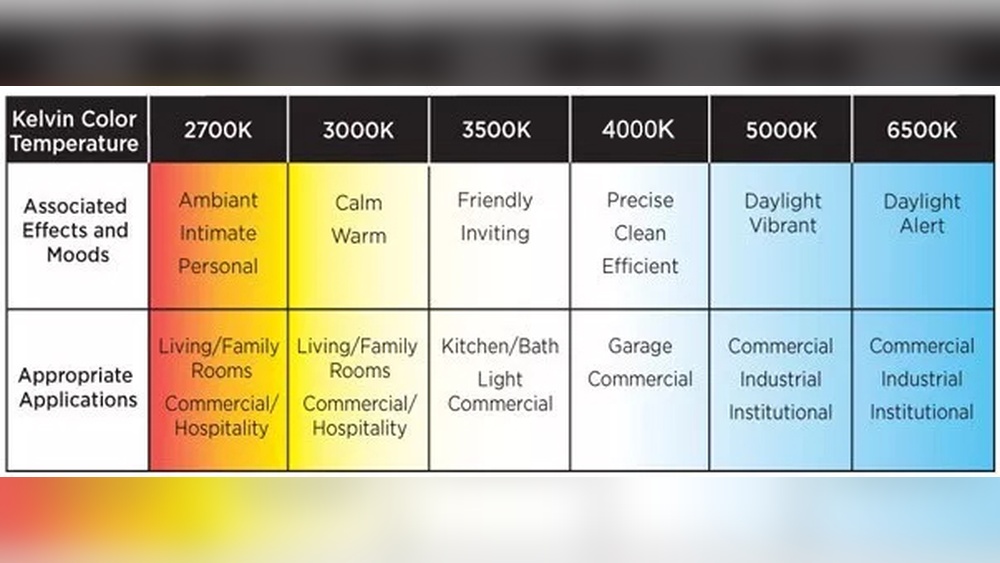
Color temperature is measured in Kelvins (K). It shows the color of light emitted by a bulb. Lower Kelvin numbers mean warmer, yellowish light. Higher numbers mean cooler, bluish light. The scale helps compare different light sources easily.
Warm Vs Cool Light
Warm light looks cozy and soft. It has a yellow or orange tone. Cool light feels brighter and more alert. It has a blue or white tone. Warm light suits relaxing spaces. Cool light fits work areas or kitchens.
Common Color Temperature Ranges
2700K to 3000K gives a warm, inviting glow. 3500K to 4100K offers neutral white light. 5000K to 6500K produces cool, daylight-like light. Choose based on the room’s purpose and mood you want.
Effects On Mood And Ambiance
The color temperature of LED lighting plays a big role in setting the mood and feel of a space. It affects how relaxed, alert, or comfortable people feel. Choosing the right color temperature helps create the perfect atmosphere for each room.
Different light colors influence emotions and energy levels in unique ways. Warm light brings calm and coziness. Cool light helps with focus and energy. Neutral light balances both feelings.
Warm Light And Relaxation
Warm light has a yellow or orange tone. It feels soft and inviting. This light type works well in bedrooms and living rooms. It helps the body relax and prepare for rest. Warm light creates a peaceful, calm atmosphere. It reduces stress and makes spaces feel cozy.
Cool Light And Productivity
Cool light has a blue or white tone. It feels bright and sharp. This light boosts alertness and focus. It suits offices, kitchens, and study areas. Cool light helps people stay awake and work better. It makes spaces feel clean and modern.
Neutral Light For Versatility
Neutral light lies between warm and cool tones. It is often called daylight or natural white. This light works well in most rooms. It provides a clear and balanced feel. Neutral light helps see true colors and details. It suits areas like bathrooms, hallways, and garages.
Choosing Color Temperature By Room
Choosing the right color temperature for LED lighting depends a lot on the room it lights up. Each room has a different purpose, so the light should match its use. Warm light feels cozy and soft. Cool light feels bright and clear. Picking the right tone can change how a room feels and works. Below are tips for choosing color temperature by room type.
Living Room Lighting
The living room is for relaxing and socializing. Warm white light around 2700K to 3000K creates a cozy, inviting feel. It helps people feel comfortable and calm. Avoid very cool light here, as it can feel harsh or cold. Choose dimmable options to adjust brightness for different moods.
Kitchen And Dining Areas
Kitchens need bright, clear light for cooking and cleaning. Cool white light between 3500K and 4100K works well. It helps see details and colors better. Dining areas can use slightly warmer light around 3000K to make meals feel pleasant. Mixing these tones can balance function and atmosphere.
Bedroom Ambiance
Bedrooms benefit from soft, warm light to help people relax. Light around 2700K is ideal. It creates a peaceful, restful mood. Avoid cool or bright light here because it can disturb sleep patterns. Use lamps or fixtures with adjustable temperature for better control.
Bathroom Brightness
Bathrooms need clear, bright light for grooming and hygiene. Neutral white light around 3500K to 4000K suits well. It shows true colors without being too harsh. Avoid very warm or very cool light to keep a balanced look. Brightness should be enough to see clearly.
Office And Study Spaces
Offices and study rooms require light that helps focus and reduces eye strain. Cool white light between 4000K and 5000K is best. It mimics daylight and keeps you alert. Avoid warm light here because it can make you feel sleepy. Use adjustable lighting to fit different tasks.

Matching Led Color Temperature With Fixtures
Matching LED color temperature with your fixtures improves room look and feel. The right pairing boosts light quality and energy use. Fixtures and LED bulbs must work well together for best results. Consider fixture type and LED features before buying.
Fixture Compatibility
Not all LEDs fit every fixture. Check the size and shape of your fixture first. Some fixtures need specific LED shapes or bases. Also, verify the wattage limits of your fixture. Using the wrong LED may cause poor light or damage.
Dimmable Led Options
Choose dimmable LEDs if your fixture supports dimming. Dimmable LEDs let you adjust brightness easily. Confirm the LED and dimmer switch are compatible. This avoids flickering or buzzing sounds. Proper dimming adds comfort and saves energy.
Smart Lighting Considerations
Smart LEDs connect with apps or voice control. Ensure your fixture can hold smart bulbs. Some fixtures block signals or have size limits. Match LED color temperature with smart features for best use. Smart lighting offers more control and mood settings.
Energy Efficiency And Lifespan
Choosing the right LED lighting color temperature affects more than just light quality. It also influences energy efficiency and the lifespan of the product. Understanding these factors helps save money and reduce waste over time. This section explores how color temperature impacts energy use and the key factors that affect LED longevity.
Impact Of Color Temperature On Energy Use
Color temperature describes the light’s color appearance, measured in Kelvins (K). Cooler temperatures (above 4000K) have a bluish tone. Warmer temperatures (below 3000K) appear yellowish or soft white.
LEDs with cooler color temperatures often consume slightly more energy. This is due to the way they produce light through phosphor conversion. Warmer LEDs tend to be more energy-efficient, especially in household settings.
Choosing a cooler light for tasks requiring high visibility might increase electricity use. Warmer lights create a cozy atmosphere and save energy. Balance your lighting needs with energy savings for the best result.
Led Longevity Factors
LED lifespan depends on several factors beyond color temperature. Quality of materials plays a big role. Good heat management inside the LED extends its life.
Higher color temperature LEDs can generate more heat, which may reduce lifespan if not managed well. Proper fixture design helps keep LEDs cool and lasts longer.
Running LEDs at lower power levels also helps increase their lifespan. Frequent switching on and off can shorten LED life, so consider usage patterns.
Choosing the right color temperature, along with quality products, improves energy efficiency and extends LED lifespan.
Tips For Testing And Selecting Leds
Choosing the right LED color temperature affects mood and space use. Testing and selecting the right LED helps you find the perfect light for your needs. A few simple tips make this process easier. Try different options, measure color, and check important features.
Sampling Different Temperatures
Test LED bulbs with various color temperatures in your space. Warm white creates cozy feelings. Cool white feels bright and clear. Try bulbs at 2700K, 4000K, and 5000K. See how each looks on walls and furniture. Notice how colors change under each light. Testing samples helps you avoid wrong choices.
Using Color Temperature Meters
Use a color temperature meter for accurate reading. This small tool shows the Kelvin value of light. Measure bulbs before buying or installing. Meters help compare LEDs from different brands. Check the color temperature matches your preference. This step ensures the light fits your room’s mood.
Shopping Checklist
Make a checklist before shopping for LED bulbs. Note your preferred color temperature range. Include brightness level and energy use. Check for color rendering index (CRI) above 80. CRI shows how natural colors appear under light. Confirm bulb size fits your fixture. Look for warranty and brand reputation. A checklist keeps you focused and confident.

Frequently Asked Questions
What Is Led Color Temperature And Why It Matters?
LED color temperature measures light appearance, in Kelvin (K). It affects ambiance, mood, and task suitability. Choosing the right temperature enhances comfort and efficiency in any space.
How To Choose Led Color Temperature For Home Lighting?
For warm, cozy spaces, select 2700K-3000K. For work areas, 3500K-4100K offers clarity. Use 5000K+ for bright, daylight-like environments.
What Color Temperature Is Best For Office Lighting?
Neutral white (3500K-4100K) is ideal for offices. It reduces eye strain and boosts productivity with balanced brightness and color clarity.
Can Led Color Temperature Affect Mood And Productivity?
Yes. Warm light creates relaxation, cool light enhances alertness. Choosing the right temperature supports desired activities and emotional well-being.
Conclusion
Choosing the right LED color temperature affects your room’s mood and comfort. Warm light creates a cozy feel, while cool light helps you stay alert. Think about where you will use the light and what activities happen there. Test a few options if possible.
Good lighting makes your space look better and feel inviting. Take your time and pick a color temperature that suits your needs best. Bright ideas start with the right light.

Alex Navarro
Hi, I'm leds.to, the founder of the world's #1 LED lighting review site. At leds.to, we strive to provide you with the most comprehensive and reliable reviews on LED lighting products. Whether you're looking for car LEDs, super bright LEDs, or even grow light LEDs, you'll find all the information you need right here on our site. With years of experience in the industry, I'll guide you towards making the best purchasing decisions for your lighting needs. Trust me to shed light on the world of LEDs and help you find the perfect lighting solutions.