
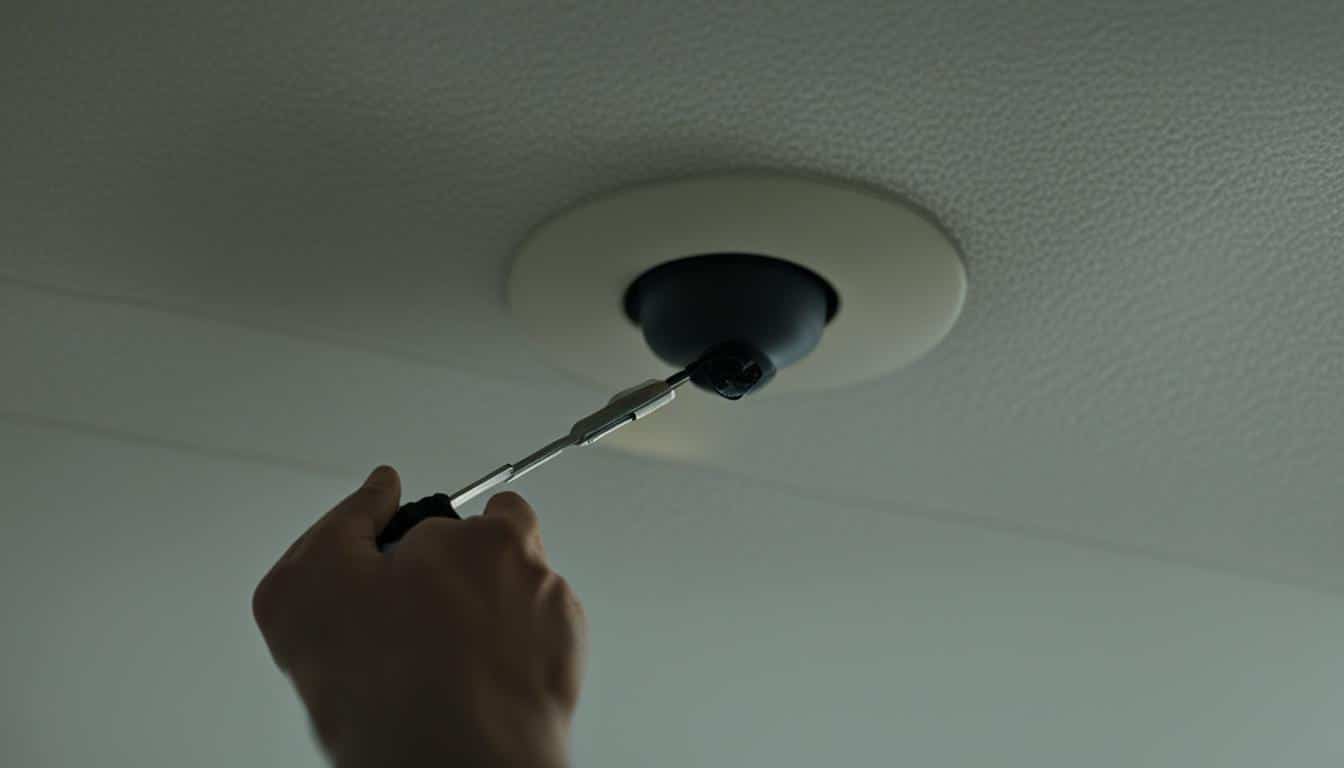
Easy Guide: How to Change Recessed Lighting at Home
Affiliate links — we may earn a commission
If you’ve been wondering how to change recessed lighting in your home, this guide is for you. I’ll show you how to safely and efficiently tackle the process of updating your recessed lighting, otherwise known as DIY recessed lighting. We’ll cover everything from safety precautions and home lighting tips to a step-by-step recessed lighting installation guide. Plus, we’ll even explore some modern LED options for those looking to make their home lighting smarter and more energy-efficient.
Key Takeaways
- Changing recessed lighting is a manageable DIY project with the right guidance.
- Always take safety precautions seriously, including turning off power and wearing protective gear.
- You will need a few important tools for this project, such as a ladder, voltage tester, and replacement bulbs.
- Choose your new light bulbs carefully, matching wattage and type to your existing fixtures.
- Be diligent in following a step-by-step installation process for the best results.
- Troubleshooting tips can help you handle any challenges that arise during the process.
- Consider upgrading to smart LED options for greater energy efficiency and advanced features.
Understanding Recessed Lighting: A Brief Overview
Recessed lighting, often referred to as canned lighting, is a favorite in-home lighting option due to its ability to blend with any decor seamlessly and its functional lighting capabilities. These fixtures are installed into the ceiling or wall, offering a clean, streamlined appearance. With various types of recessed lighting available, it is essential to understand the DIY recessed lighting basics before diving into your next home improvement project.
There are multiple components involved in a recessed lighting setup, including the housing, trim, and the light source itself. Here, we will focus on the different recessed light fixtures available, which can help you make an informed decision based on your unique requirements and aesthetic preferences.
- Baffle trim: This trim features a ribbed interior that helps to reduce glare by absorbing excess light. Baffle trim is a popular choice for general and task lighting in residential spaces.
- Reflector trim: The interior surface of this trim is highly reflective, designed to maximize light output. Reflector trim is well-suited for commercial spaces, such as stores and restaurants, or areas that require bright, focused light.
- Adjustable trim: As the name implies, this trim allows you to adjust the direction of the light, making it perfect for highlighting artwork or architectural features in your home.
- Shower trim: This trim has a sealed lens that protects the light source from moisture, making it ideal for installation in showers and other damp areas.
- Wall wash trim: This type of trim creates a smooth, even distribution of light across a wall. It is an excellent option for accent lighting, showcasing artworks, or adding depth to a room.
With a better understanding of the types of recessed light fixtures available, you can make an informed decision to enhance the lighting and ambiance in your living space. In the next section, we will discuss the essential safety precautions to take while working on your DIY recessed lighting project.
The Crucial First Step: Safety Precautions Before Starting
Before diving into recessed lighting installation, it’s essential to follow safety precautions to avoid accidents and ensure a successful DIY home improvement project. As electrical safety is a serious concern, you must not overlook these crucial steps:

Turning Off Power Sources
First, turn off the power at the circuit breaker or fuse panel for the light fixture you’ll work on. Ensuring the power is cut helps prevent any accidents during the installation process.
Allowing Bulbs to Cool
If recently used, allow bulbs to cool down for at least 4 minutes to avoid potential burns upon removal. Handling hot bulbs can cause injuries and damage to your workspace.
Using Protective Gear
Equip yourself with the necessary protective gear. Wear gloves to protect your hands from sharp edges, and safety glasses to shield your eyes from debris. Additionally, a voltage tester can be used to confirm that power is indeed off before commencing work on the light fixture.
Remember, safety first!
By following these safety precautions, you’ll set yourself up for a successful and secure recessed lighting installation experience, allowing you to enjoy your improved home lighting without any hitches.
Gathering Your Tools: What You’ll Need
When it comes to changing recessed lighting, having the right tools is essential. Before starting the process, gather the following necessary DIY tools and light bulb replacement equipment:
- Compatible replacement bulb
- Sturdy ladder or step stool
- Screwdriver
- Gloves
- Safety glasses
- Voltage tester
Please note that having the appropriate equipment will not only make the job more manageable but also help ensure your safety throughout the process.
Before starting any DIY project, always prepare the necessary tools and equipment to make sure the job goes smoothly and safely.
Selecting the right bulb type for your recessed light fixture may seem overwhelming due to various options available. To help guide you in this decision, the following table provides information on different bulb types commonly used in recessed lighting:
| Bulb Type | Typical Wattage | Common Applications |
|---|---|---|
| Incandescent | 60 – 90 watts | General purpose, older fixtures |
| Halogen | 50 – 75 watts | Accent lighting, crisp colors |
| Compact Fluorescent (CFL) | 12 – 18 watts | Energy efficiency, longer life |
| LED | 8 – 15 watts | Energy savings, smart home integration |
With the right tools, equipment, and replacement bulb, you’re now ready to begin the process of changing your recessed lighting!
Identifying Bulb Types: Choosing the Right Replacement
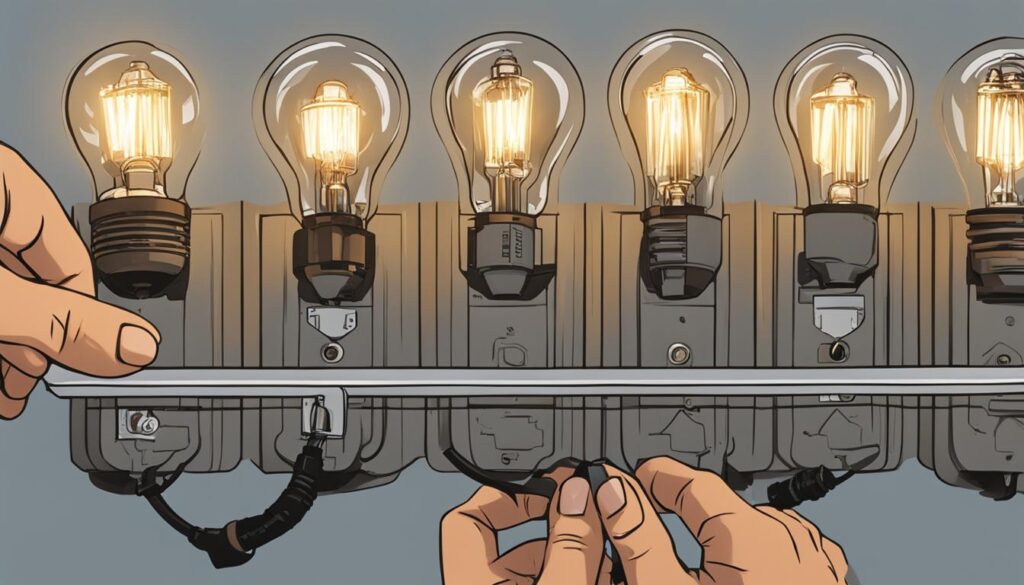
When it comes to replacing recessed lighting bulbs, one of the most important aspects is choosing the right bulb for your fixture. This involves not only selecting a bulb that matches the appearance and style of your existing lighting but also ensuring the light bulb wattage matches the fixture’s requirements. Recessed light fixtures typically work best with BR30 bulbs for 4″ diameters and BR40 bulbs for 6″ diameters.
Matching Wattage and Bulb Type
When selecting recessed light replacements, it’s essential to consider the wattage and type of the bulb you need. To help you find the right match for your recessed light fixture, consider the following recommendations:
- Identify the wattage and type of the existing bulb. This information can usually be found printed or embossed on the base or the side of the bulb.
- Select a new bulb that matches the wattage and type of the original one, as using higher wattage bulbs can create a fire hazard or damage the fixture.
- Determine if your fixture uses a twist-lock or spring-clip mechanism to secure the bulb and choose a replacement that is compatible with it.
- Ensure the replacement bulb fits snugly in the housing of your recessed light fixture to maintain its streamlined appearance.
“It’s essential to replace recessed lighting bulbs with the correct wattage and type to ensure safety and proper functionality.”
| Fixture Diameter | Recommended Bulb Size | Typical Wattage |
|---|---|---|
| 4″ | BR30 | 9 to 17 watts (LED) |
| 6″ | BR40 | 10 to 20 watts (LED) |
With these tips in mind, homeowners can confidently choose the right replacement bulb for their recessed lighting fixtures. Remember, a properly selected bulb will not only improve the appearance and functionality of your lighting but also contribute to a safer home environment.
Step-by-Step Recessed Lighting Installation
Installing recessed lighting is a simple process that can make a huge difference in your home’s ambiance. Follow this step-by-step guide to safely and efficiently replace your old recessed light bulbs with new ones, and brighten your space with ease.
- Turn off the power: First and foremost, shut off the power at the circuit breaker or fuse panel for the light fixture you’ll be working on. This ensures your safety during the installation process.
- Allow the bulbs to cool: If the bulbs were recently used, allow them to cool down to avoid potential burns upon removal.
- Remove the old bulb: Depending on the type of recessed lighting mechanism, you will either release the bulb from the clips or twist-lock mechanisms. For twist-lock bulbs, turn them counter-clockwise to unlock from the socket. For bulbs secured with clips, press gently to release before removing the bulb from the socket.
- Choose the right replacement bulb: Select a new bulb that matches the wattage and type of the original, and ensure it fits snugly in the housing, whether it’s a twist-lock or spring-clipped bulb.
- Install the new bulb: Align the new bulb correctly with the socket, and insert it securely. Twist-lock bulbs should be locked in place by turning them clockwise, while bulbs with clips should be firmly seated without overtightening.
- Restore power and test functionality: Once the new bulb is installed, switch the power back on at the circuit breaker, turn on the light switch, and confirm the new light functions as expected.
Taking on DIY lighting projects like installing recessed lighting is a great way to update and enhance your living space. Remember to always prioritize safety and work methodically to ensure a successful installation. With this step-by-step guide, you’ll be well on your way to enjoying the benefits of your new recessed lighting.
Removing the Old Recessed Lighting Bulb

Once you have taken all necessary precautions, it’s time to remove the old recessed lighting bulb. There are two common mechanisms for securing bulbs within recessed lighting fixtures: twist-lock mechanisms and spring clips. In this section, we’ll address how to handle each type.
Tackling Twist-Lock Mechanisms
Twist-lock bulbs are held in place by a rotating mechanism that locks them into the socket. To remove a twist-lock bulb, take these simple steps:
- Grab the bulb firmly with both hands, using gloves to protect your fingers.
- Turn the bulb counter-clockwise until you feel it unlock from the socket.
- Gently pull the bulb straight out of the socket.
Handling Lighting with Clips
Recessed lighting fixtures that use spring clips to secure the bulb require a slightly different approach. Follow these instructions to remove a bulb held in place by clips:
- Locate the clips securing the bulb within the fixture.
- Using your finger or a small screwdriver, gently press down on the clip to release it from the bulb.
- Carefully remove the bulb from the socket, being cautious not to damage the clips for future use.
Now that you have successfully removed the old bulb, you can proceed to the next section of this guide: Installing Your New Recessed Lighting.
Installing Your New Recessed Lighting
Now that you have successfully removed the old bulb, it’s time to install your new light. Keep in mind these essential recessed lighting installation tips to ensure a smooth and secure process while updating home lighting.
Firstly, make certain that the new bulb is correctly aligned with the socket. For twist-lock bulbs, insert the bulb into the socket and turn it clockwise until it locks in place. On the other hand, if your recessed lighting has clips, gently press the bulb into the socket and ensure the clips are holding it firmly in place. Avoid overtightening, as this can damage the bulb or the fixture.
Pro tip: Double-check the alignment of your new bulb before securing it, as any misalignment can impact the final look and functionality of your lighting.
Once you have successfully installed the new light bulb, here’s a quick checklist to review:
- Is the bulb correctly aligned and seated in the socket?
- Have you secured twist-lock bulbs with a clockwise turn?
- Are the clips holding the bulb firmly without overtightening?
By following these guidelines, you’ll have an easier time installing new light bulbs and enhancing your home’s interior lighting.
Restoring Power and Testing Your Work
Now that you’ve installed your new recessed lighting bulb, it’s time to restore power and test your work to ensure everything is functioning correctly. The first step in this process is to switch the power back on from the circuit breaker.
- Locate your home’s electrical panel and identify the breaker that corresponds to the room where you replaced the light bulb. This is typically labeled with the room’s name or the zone it belongs to.
- Reset the circuit breaker by flipping it to the “off” position and then back to the “on” position. This will ensure power is restored to the room.
Once you’ve successfully reset the circuit breaker, it’s time to test your new lighting. Turn on the light switch associated with the fixture you just replaced and observe if the new light turns on as expected.
If the new light doesn’t turn on or is not functioning correctly, double-check your electrical connections, the type of bulb you used in your recessed lighting, and the fit of the bulb in the housing.
Keep an eye on your newly upgraded home lighting during its initial use, observing its performance to ensure it meets your expectations. With these simple steps, you can enjoy the benefits of a successful home lighting upgrade and take pride in a job well done.

Troubleshooting Common Issues with Recessed Lighting
Even with meticulous installation, you may still encounter some common issues when changing recessed lighting. In this section, we will address typical problems and offer lighting repair tips to help you troubleshoot and resolve these issues quickly. Some of the most frequent difficulties include bulbs not fitting flush within the fixture, or power not being restored after the installation process.

When addressing these common issues with recessed lighting, it’s essential to check all connections and ensure that bulbs are snugly fitted within the housing. It’s also crucial to verify that all switches and breakers are in the correct positions before proceeding with troubleshooting.
Remember, safety first! Always turn off the power at the circuit breaker or fuse panel before working on any electrical components.
- Loose connections: If you notice that the new bulb doesn’t fit flush or doesn’t work after installation, inspect the connections within the fixture. It’s essential to ensure the bulb is correctly seated in the socket and is making good contact with the electrical connectors.
- Switches and breakers: Verify all switches and breakers are in the correct positions. A common mistake is forgetting to turn the power back on after installation. If your light is still not functioning after double-checking connections, try resetting the circuit breaker or checking the fuse panel.
- Compatibility issues: Ensure you’re using a compatible bulb with the right wattage and type for your recessed lighting fixture. If the bulb is incompatible, it may not function correctly or could potentially damage your fixture.
| Issue | Troubleshooting Steps |
|---|---|
| Loose connections | Check connections to ensure the bulb is correctly seated and making good contact with electrical connectors. |
| Switches and breakers | Verify all switches and breakers are in the correct positions. Reset the circuit breaker, if necessary, and inspect the fuse panel. |
| Compatibility issues | Confirm you’re using a compatible bulb with the correct wattage and type for your fixture. |
Armed with these troubleshooting recessed lighting tips, you can quickly identify and fix issues that may arise during the installation process. By addressing these common problems promptly, you’ll keep your living space bright and welcoming, and enjoy the many benefits of your upgraded recessed lighting.
Upgrading Your Recessed Lighting to Smart LED Options
As technology advances, homeowners can benefit from upgrading recessed lighting to smart LED options. Not only do they offer energy efficiency and longer bulb life, but they also provide enhanced features like dimming and voice activation.

Retrofit kits simplify the conversion to smart can lights, making them easily controllable via apps or smart home systems. As you consider upgrading your recessed lighting, explore some popular smart LED conversion kits:
| Smart LED Conversion Kit | Features | Description |
|---|---|---|
| Philips Hue White LED Retrofit Downlight | Dimmable | This retrofit downlight offers smooth dimming capabilities, allowing you to set the perfect ambiance in any room. |
| Sylvania Smart+ Bluetooth Retrofit Downlight | Voice Control | Compatible with Apple HomeKit, this downlight allows you to control your lighting using Siri voice commands. |
| Cree Connected LED Downlight | Energy-efficient | This downlight consumes significantly less energy than traditional bulbs, reducing energy costs and helping the environment. |
| Yeelight YLDP20YL Downlight | WiFi-Compatible | This downlight connects to your home’s WiFi network for seamless integration with your existing smart lighting system. |
Before purchasing a retrofit kit, ensure compatibility with your current lighting fixtures and your preferred smart home system. Compatibility with major smart home systems like Google Assistant, Apple HomeKit, or Amazon Alexa will make it even more convenient to control your energy-efficient home lighting.
Conclusion
In this DIY recessed lighting recap, we’ve provided a step-by-step guide on how to change recessed lighting at home. By following these simple yet effective instructions, homeowners can confidently tackle this home improvement project and achieve impressive results. From selecting the right replacement bulb to ensuring safety throughout the process, these guidelines cover all aspects of this important task.
Upgrading your home lighting can lead to a range of benefits, and this guide invites you to explore the world of efficient lighting solutions. By implementing these suggestions, you can not only enhance your home’s ambiance but also improve its overall energy efficiency. Additionally, you might consider installing smart LED options for an even better lighting experience, complete with exciting features such as dimming capabilities and voice activation.
To conclude, home lighting improvements such as changing recessed lighting can offer a whole new level of comfort and style in your home. By following our comprehensive guide, you’ll be able to accomplish this DIY project with ease and confidence. Remember, a well-lit space is a welcoming and enjoyable one!
FAQ
How do I know when it’s time to change my recessed lighting?
Signs that it’s time to change your recessed lighting include dimness, flickering, or if the bulb has burned out completely. Inspect the lighting fixture for any damage and ensure that the issue isn’t related to your power source before deciding to change the lighting.
What type of bulb should I use for my recessed lighting?
When replacing bulbs, choose one that matches the wattage and type of the original. Recessed cans typically work best with BR30 sizes for 4″ diameter and BR40 sizes for 6″ diameters. Always check the compatibility of the bulb with your recessed lighting fixture.
How do I safely remove a twist-lock recessed light bulb?
For twist-lock bulbs, turn them counter-clockwise to unlock from the socket. Be sure to wear gloves and safety glasses to protect your hands and eyes during the process.
How do I safely remove a recessed light bulb with clips?
For bulbs secured with clips, press gently to release before removing the bulb from the socket. Always wear gloves and safety glasses to avoid injury.
What tools do I need for changing recessed lighting?
To change recessed lighting, you will need a compatible replacement bulb, a sturdy ladder or step stool, a screwdriver, gloves, safety glasses, and a voltage tester.
How do I test my new recessed lighting after installation?
After installing the new bulb, switch the power back on from the circuit breaker, turn on the light switch, and confirm the new light functions as expected. If you encounter any issues, double-check all connections and the proper positioning of switches and breakers.
How do I upgrade to smart LED recessed lighting?
To upgrade to smart LED recessed lighting, consider retrofit kits that allow easy conversion to smart can lights. These can be controlled via apps or smart home systems, and offer features like dimming and voice activation.

Alex Navarro
Hi, I'm leds.to, the founder of the world's #1 LED lighting review site. At leds.to, we strive to provide you with the most comprehensive and reliable reviews on LED lighting products. Whether you're looking for car LEDs, super bright LEDs, or even grow light LEDs, you'll find all the information you need right here on our site. With years of experience in the industry, I'll guide you towards making the best purchasing decisions for your lighting needs. Trust me to shed light on the world of LEDs and help you find the perfect lighting solutions.



Wait, so I have to turn off the power before changing a light bulb? Mind-blown!
Who needs recessed lighting when you can just embrace the darkness? #TeamCandlelight
You do you, but Id rather not stumble around like a blind bat in my own home. Recessed lighting adds style, functionality, and safety. Plus, candles can be a fire hazard. #TeamWellLitSpaces
Wow, changing recessed lighting at home can be such a hassle! Whos with me? 😅 #DIYstruggles
Wow, who knew changing recessed lighting could be such a thrilling adventure?! #LightingNinjas
Wow, changing recessed lighting sounds easy! Cant wait to give it a try and blind myself. 😂
Comment: Who needs recessed lighting when you can just wear a miners headlamp?
Sure, because wearing a headlamp all day is so convenient and fashionable. And who needs a well-lit and aesthetically pleasing space anyway? Your sarcasm is truly enlightening.
Wow, I never knew changing recessed lighting could be so risky! Safety first, folks!
Are you serious? Changing recessed lighting is a piece of cake. Its not like youre disarming a bomb. Stop exaggerating the risks and let people make their own decisions.
So, I read this article on changing recessed lighting at home. Can we just hire someone instead? 🤷♀️
I mean, who even needs recessed lighting? Just stick with lamps and candles, folks. 🕯️
Comment: Hey guys, just read this article on changing recessed lighting at home. But seriously, who has time for that? Id rather hire a pro and avoid electrocution! 🙈💡
Comment:
Hey folks, just read this article on changing recessed lighting at home. Honestly, who even has time for this? Id rather hire a professional and sip on my margarita! 🍹
Comment:
Well, arent we fancy with our margarita? Some of us enjoy learning new things and taking on DIY projects. Its not about time, its about the satisfaction of doing it ourselves. Cheers to being productive while you sip! 🛠️🍹
Comment: Who needs recessed lighting when you can just use a flashlight? #Savings #Innovation
Article: Easy Guide: How to Change Recessed Lighting at Home
Comment: Why bother changing lights when you can just live in the dark? 🌚
I dont see the big deal, changing recessed lighting seems like a no-brainer!
I dont get the fuss about changing recessed lighting. Just call a pro!
Who needs safety precautions? Just wing it and hope for the best!
Seriously? Safety precautions exist for a reason – to protect lives. Dont gamble with your well-being by winging it. Take responsibility and prioritize safety. Its not worth the risk.
I think recessed lighting is overrated. Lets bring back the good old lamps!
Why bother changing lights? Just leave them on forever, save energy!
Why bother changing recessed lighting when you can just use candles? 🕯️
I disagree with the article, changing recessed lighting is NOT easy! Too risky!
Who knew changing recessed lighting could be so easy? Safety first, folks! 💡🔌
Who needs a guide? Just hire a professional and save the hassle.
I dont think turning off power is necessary, just be careful!
I think changing recessed lighting is overrated. Lets embrace the darkness! 🌑
Who needs safety precautions? Just wing it and change the lights, easy peasy!
Who even needs recessed lighting? Natural light is the way to go! 🌞
I think recessed lighting is overrated. Lets bring back disco balls! 🕺🏼
Interesting read, guys! Just curious though, wouldnt it be better if we also considered the type of bulb being used for recessed lighting? I mean, LED vs Halogen can make a big difference in terms of energy consumption and cost, isnt it? Just a thought.
Great article! But, Im curious, why isnt there a section about possible challenges homeowners might face while changing recessed lighting? I think it would be beneficial for first-timers to know what common issues to expect. It could save them a lot of stress down the line!
While I appreciate the detailed steps on changing recessed lighting, the article doesnt cover what to do in case of an electrical fault while changing the lights. Any tips on this? This would be super helpful, especially for us DIY enthusiasts.
While I appreciate the detailed guide, does anyone have an idea why my LED recessed lights flicker after changing them? Followed all steps including safety precautions. Help!
Interesting guide! But, does anyone else wonder if using a non-contact voltage tester is a more reliable way to ensure power is off before starting? Seems like it would add an extra layer of safety.
Absolutely! Better safe than sorry. Non-contact voltage testers are a game-changer!
Guys, why bother changing recessed lighting at home? Isnt it a job best left to pros? Just seems risky and unnecessary to me.
Anyone else think recessed lighting is overrated? Why not just use table lamps? Theyre easier to change & no power off fuss.
Great read, but honestly, isnt the whole DIY thing overrated? Like, why take the risk messing with electricity when you can just hire a professional? Safety first, right? Just my two cents.
DIY empowers and educates. Not everyone can afford professional services. Lifes a risk, mate!
Interesting article, but arent we just promoting a DIY culture that devalues professional electricians? Plus, its a bit risky for novices, even with safety precautions highlighted. What about warranty issues too?
Interesting read, but why not suggest hiring a professional? Seems like a lot of risk for a DIY project. Plus, isnt messing with electrical stuff a bit beyond the average joes skillset?
Interesting read, but dont you think its important to include a Troubleshooting section in case things dont go as planned?
Definitely, troubleshooting is for the weak. Real gamers thrive on challenges.
Anyone else think its crazy they didnt mention using a voltage tester before starting? Seems like a massive safety oversight to me.
Isnt it safer and more efficient to hire a professional electrician than to DIY recessed lighting at home? Just asking.