

Easy Guide: How to Fix LED Light Strip Issues
Affiliate links — we may earn a commission
LED light strips are a favorite when it comes to providing sleek and modern lighting solutions for our homes and offices. However, occasional hiccups such as flickering lights or unlit sections can occur. Fortunately, we’re here to demystify the troubleshooting process for these versatile fixtures. Within this guide, we’ll share insights on how to fix LED light strip challenges through DIY LED light strip repairs, simplifying the troubleshooting led light strip process and navigating the complexities of led light strip repair.
Understanding the nitty-gritty of dealing with LED strips isn’t just for professional electricians. The joy of DIY repairs is that anyone can tackle them with a little knowledge—and that’s precisely what we aim to provide. From assessing the power source to examining the wiring, our guide will ensure you have all the information necessary to get your LED light strips back to their best state. So, let’s shine a light on those issues and brighten up your space once more.
Key Takeaways
- Diagnosing common LED strip issues is straightforward with the right approach.
- Power supply and connection checks are essential first steps in LED light strip troubleshooting.
- Compatibility and proper installation are key to preventing and fixing problems.
- Effective DIY LED light strip repairs can extend the lifespan of your lights.
- High-quality LED light strips and accessories can significantly reduce the need for frequent fixes.
Understanding LED Light Strip Basics
When we embark on creating mood lighting or accentuating spaces with LED strips, it’s imperative to grasp the fundamentals that make these lighting solutions versatile and reliable. They are not only energy-efficient but also incredibly flexible, offering an array of application possibilities. However, encountering an LED light strip not working can be frustrating. In our guide, we’ll explore the critical aspects of LED light strip functionality, the distinctions between the common types, and the best practices for installation and maintenance.
The Essentials of LED Light Strip Functionality
At the heart of every LED light strip lies Direct Current (DC) power, which provides the energy necessary for illuminating LED chips along the strip. Essential to this process is a power supply unit (PSU) converting alternating current (AC) from a standard wall socket into the DC power that LED strips require. With proper care and occasional troubleshooting, such as fixing broken led light strip components, these lighting systems can provide long-lasting ambient illumination.
Differentiating Between 12V and 24V LED Light Strips
Our choice between 12V and 24V LED light strips should be influenced by the planned length and placement of the installation. The primary difference lies in their capacity for power transmission over distances. The 12V is typically suited for shorter runs, whereas the 24V strips excel in maintaining brightness over longer distances, with fewer signs of voltage drop in runs of 30 feet or more. Understanding this distinction is key when we are fixing led light strips to avoid inadequate illumination.
Common Uses and Installation Practices for LED Strips
LED strips have become a staple for enhancing the aesthetic of both commercial and residential spaces. They are utilized under cabinets, along staircases, behind televisions, and in a myriad of other creative ways. To ensure their efficacy, one must follow certain practices: selecting the correct PSU, aligning the polarity of connections, and properly adhering strips to surfaces. This approach not only safeguards the installation but also simplifies the process should we encounter the task of fixing led light strips that may have stopped working due to faulty installation.
Remember, prevention is better than cure. By understanding and following correct installation procedures, we can diminish the likelihood of down-the-line issues with our LED light strips.
- Ensure that the power supply matches the requirements of your LED strip
- Use quality connectors to prevent poor electrical contact
- Adhere to manufacturer guidelines for cutting and re-joining segments
- Conduct regular checks to promptly address any flickering or dimming
To conclude this section, using LED light strips can transform a space when installed correctly. Should issues arise, like an LED light strip not working, we can often trace it back to the basics of power, voltage, and proper installation. Keeping these considerations at the forefront will enhance our experience with LED light strips, minimizing the need for repairs and extending the longevity of our vibrant, efficient lighting display.
Troubleshooting 101: Identifying Your LED Strip Problems
When it comes to getting to the root of troubleshooting led light strip issues, we start by ensuring that power is indeed making its way to our fixtures. It’s a basic first step, but an essential one: checking the power source’s capability by plugging a different device into the same socket or swapping out the battery pack. If you’ve established that there is power, the next logical step is to take a closer look at the voltage. This is where a reliable DC voltmeter comes into play – testing to make sure the voltage aligns with the requirements of your LED light strips. It’s not unusual to encounter a mismatch here, and this simple procedure can save you a lot of time.
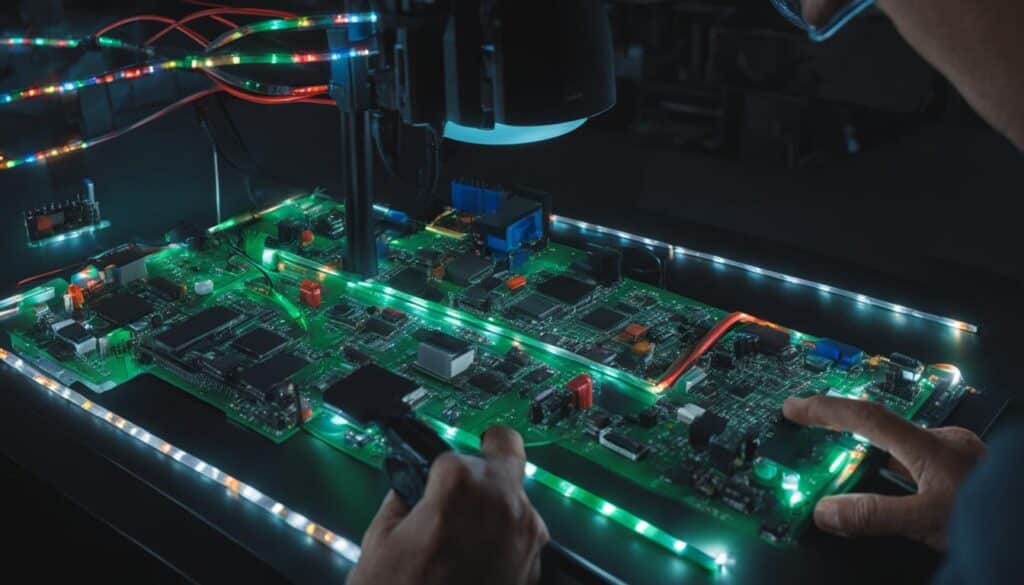
Delving further into troubleshooting led light strip issues, a thorough inspection of compatibility and connections is key. A common issue we’ve observed lies with the solderless connectors. Often, these seemingly insignificant components are the culprits behind your lighting woes. An examination of these tiny parts, making certain that wires are snug and not short-circuited, can make a world of difference. It’s a nuanced step in our troubleshooting guide for led light strips, but it’s indisputably crucial.
Apart from connections, we underline the importance of ensuring that all accessories, like dimmers, are fully compatible and functioning correctly. It may seem like a detail, but it’s these details that often determine whether your LED light strips shine bright or get stuck in the dark, possibly flickering intermittently. In our comprehensive troubleshooting tips for LED light strips, we find that addressing these fundamental elements is often all that’s needed to restore full functionality to your LED light strips.
| Common LED Light Strip Issue | Potential Cause | Troubleshooting Action |
|---|---|---|
| No light | Inadequate power source | Verify source with another device; replace battery if needed |
| Flickering light | Poor connection / Incompatible dimmer | Inspect and secure connectors; confirm dimmer compatibility |
| Dim areas on the strip | Potential voltage mismatch | Use DC voltmeter to check voltage consistency |
Understanding these foundational troubleshooting steps ensures that we can diagnose and resolve most led light strip issues efficiently. Sound troubleshooting practices not only prolong the life of your LED light fixtures but also preserve their vibrancy and performance. As we maintain our vigilance with periodic checks and consistent maintenance, the chances of being left in the dark are virtually eliminated.
How to Check and Test the Power Source Effectively
As we dive into the steps to fix LED light strip connection issues, the cornerstone of troubleshooting is often the power source itself. Before we roll up our sleeves to understand voltage intricacies and grab our tools for testing, we ensure that we’re not overlooking the most straightforward checks. These simple but essential verifications can save us from unnecessary technical deep dives and provide quick solutions to our lighting dilemmas.
Ensuring Power Outlet Functionality
Our first checkpoint involves confirming that the power is in fact reaching our LED strips. This can be accomplished by plugging a known working device into the same outlet that powers our LED lights. If the device operates without issue, we can confidently move forward, eliminating the outlet as a potential culprit.
The Role of Voltage and Power Supplies in LED Performance
Understanding the voltage requirements is pivotal for LED strip performance. Most setups are designed for either 12V or 24V, and using the incorrect voltage can result in inadequate lighting or further connection issues. Therefore, it’s essential to utilize a power supply or DC Voltage Regulator that matches and properly adapts to the correct voltage.
Using a DC Voltmeter to Assess Power Flow
Armed with a DC voltmeter, we step into a more technical realm to diagnose whether the LED strips are receiving the power they need to function correctly. By placing the voltmeter’s leads on the power supply’s output terminals, we can read the voltage being supplied to our LED strips. A proper voltage reading reassures us that the power supply can handle our lighting setup, while any discrepancy would point us towards replacing the supply or seeking an alternative power source. Throughout this process, by following clear, straightforward methods, we can effectively how to fix led light strip issues related to power sources and keep our ambient lighting glowing without interruption.
How to Fix LED Light Strip Connection Issues
When we embark on LED light strip repair, it’s common to encounter connection issues that prevent certain sections of the strip from lighting up. To effectively troubleshoot these issues, we target the typical sources of connection problems and apply precise remedies.

Secure and proper connections are the linchpin of LED light strip functionality. Commonly, we find connection problems arising from solderless connectors, which can often fail to maintain a strong electrical link between cut segments of LED strip. One has to be particularly vigilant after cutting strips to size, as this is when most errors occur. For troubleshooting LED light strip complications, a multimeter is an invaluable tool to check for continuity and ensure there is no break in the circuit.
- Examine solderless connector clips for any signs of wear and tear
- Use a multimeter to verify that current passes through the connectors properly
- Investigate the power supply adapter connections, ensuring they are firmly in place
Diagnosing and dealing with short circuits is essential. After you’ve cut the LED light strip, inspect the copper contact points closely. If they’ve been inadvertently flattened or bridged, the positive and negative ends might come into contact, creating a potential short circuit.
For those of us who like to get hands-on with troubleshooting LED light strip issues, it’s tempting to rectify these problems with DIY soldering; however, caution is needed. A steady hand and an understanding of the circuit are required to prevent new issues from developing.
Remember, patience and careful observation are key. By double-checking each connection point and ensuring proper isolation between wires, we mitigate the risk of faults and ensure an uninterrupted flow of electricity for our vibrant LED light strips to shine through the dark.
Dealing with Dimming: Troubleshooting Voltage Drop and Maximum Run Limits
When we encounter a scenario where an LED light strip is not working or we’re fixing a broken LED light strip, dimming issues often point us toward voltage drop. This problem can plague long LED runs and compromise the uniformity of lighting, which should be both vibrant and consistent across the entire length of the strip. Let’s delve into ways to diagnose and counteract these setbacks to ensure that our LED light strips shine at their best.
Interpreting and Responding to Voltage Drop Indicators
Voltage drop can be quite a stealthy obstacle, revealing itself as a gradual reduction in brightness towards the end of an LED strip. It’s a tell-tale sign that the power supply may be inadequate for the strip’s full length. By understanding wattage per foot and the cumulative demand of our LED strips, we determine if the existing power supply is up to par. A simple yet effective approach involves employing a multimeter to check for consistent voltage across the length of the strip. Should we discover significant voltage drops, increasing the power supply’s capacity or reducing the strip’s length may be necessary.
Calculating Maximum Run Length against Power Supply Capacity
To optimally tackle the issue of fixing broken LED light strips and prevent encountering an LED light strip not working due to voltage drops, it’s crucial to align the maximum run length with the power supply’s abilities. Taking into account both the wire gauge and the strip’s power demands, we must ensure that our setup avoids over-extension, which would lead to insufficient voltage and dimming at the ends. In some cases, adjusting the run length or enhancing the wiring setup to include a thicker gauge wire can mitigate these concerns. Moreover, the strategic central placement of the power supply can help distribute power more evenly. When necessary, implementing parallel wiring or double-ended power feeds enhances the system’s ability to maintain consistent brightness throughout.
Correcting Uneven Lighting and Color Mismatch Problems
As lighting enthusiasts, we’ve all faced the challenge of uneven brightness or color mismatches in our LED strip installations. These common issues can disrupt the aesthetic flow and efficiency of our lighting setup. Understanding the nuances of LED strip quality and color temperatures is key in our troubleshooting guide for led light strips. This includes recognizing that discrepancies in brightness often originate from variations in the quality or physical composition of LED strips.

Tackling Inconsistent LED Brightness
When we encounter variance in brightness across our LED strips, it’s vital to determine if the strip is uniformly manufactured. Substituting sub-par strips with high-grade, consistent LED options is often the solution when fixing led light strips with uneven lighting. This step ensures each section of the strip emits light uniformly, eliminating undesirable brightness fluctuations.
Addressing Color Discrepancies in LED Strip Installations
Color discrepancies often manifest when different color temperature strips are linked together, creating an inconsistent look. For example, adjoining a 3000K (warm white) segment to a 4000K (cool white) strip might result in a jarring transition. Planning the layout meticulously before the final installation provides an opportunity to avoid mixed temperatures, promoting a harmonized chromatic output. For complex installations, consulting with a lighting expert or using a design service can be invaluable in preempting and resolving these color consistency challenges.
We understand that flawless illumination is key to the desired ambiance, whether it’s for home, office, or special installations. That’s why addressing these issues of uneven brightness and color matching in LED strips is paramount in our continuous effort to create the perfect lighting environment.
Tackling Flickering Issues in LED Light Strips
Experiencing flickering in your LED light strips can be both irritating and indicative of underlying issues. Fortunately, by rigorously troubleshooting led light strip issues, we can pinpoint the causes and prevent the disruptions. A common mistake is overlooking the power requirements of LED strips, which can lead to insufficient voltage. Following the 80/30 rule, where the power supply accounts for at least 80% of the strip’s power demand, is a practical methodology to ensure power sufficiency. But how do we systematically address these inconsistencies to restore smooth operation?

Let’s break down the methods to how to fix LED light strip flickering:
- Check the LED strip’s power requirements against the power supply’s capacity. A mismatch here is a likely cause of flickering.
- Inspect all electrical connections. Loose or weak links can intermittently interrupt the flow of electricity, causing flickering.
- Examine the power supply itself for signs of overheating or noise, which may indicate it’s time for a replacement.
- Ensure proper ventilation around your LED strips and the power supply to prevent overheating.
Consistent voltage delivery is key to preventing LED strip flicker.
Finally, implementing checks at regular intervals can save us from future mishaps and flickering frustration.
| Issue | Symptom | Troubleshooting Step | Proactive Measure |
|---|---|---|---|
| Inadequate Power Supply | Flickering along the strip | Match power supply with LED strip’s requirements | Apply the 80/30 rule for power capacity |
| Loose Connections | Intermittent flickering | Secure all connectors and wiring | Periodic inspection of connections |
| Overheating | Consistent flickering, potential dimming | Improve ventilation, consider a heat sink | Maintain well-ventilated installation areas |
| Faulty Power Supply | Noise or excessive heat from supply | Replace the power supply unit | Regularly monitor power supply’s performance |
By carefully considering these steps and maintaining vigilance with our LED installations, we can ensure a steady and reliable light output. Always remember that quality components paired with diligent maintenance will minimize the likelihood of troubles like flickering. With the right approach, your LED light strips will continue to illuminate your space efficiently and beautifully.
Replacing Faulty or Damaged LED Strip Sections
When we encounter dark patches on our LED light strips, it’s a tell-tale sign that we need to engage in some LED light strip repair. It’s not just about fixing LED light strips; it’s about restoring the ambiance and functionality of our space. Let’s dive into the process of identifying and replacing those troublesome sections to get our lighting back to its best.
Identifying Faulty LED Sections
Identifying the problem areas is our first step. Dark sections can suggest an open circuit caused by faulty connections or wiring. By carefully examining the strip, we can pinpoint exactly where the issue lies. And remember, flickering across the strip often points to a more systemic problem, like a defective power supply that must be addressed differently.
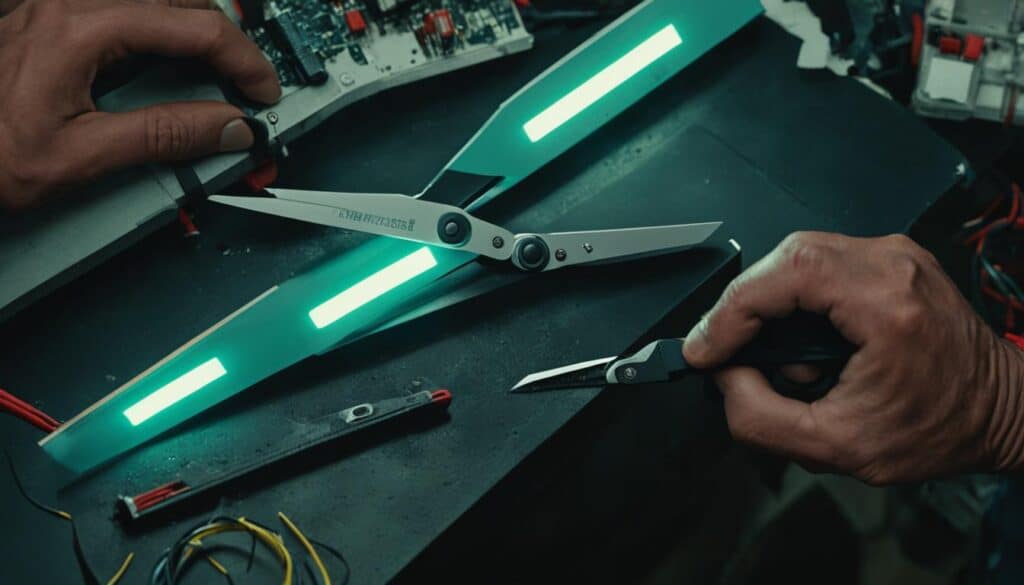
Step-by-Step Replacement of Damaged Strips
We start the replacement process by isolating the affected LED section. Next, we carefully remove this piece, ensuring not to damage the surrounding areas of the strip. With a new segment ready, measured to precision, we use solderless connectors for a seamless integration. This meticulous method ensures that our lighting strip looks and functions as if it were brand new, without any noticeable patches or interruptions in light quality.
By following these steps, we ensure our LED light strips continue to enhance our space without the need for complete replacements. With the right approach and a bit of patience, we can prolong the life of our LED lighting solutions and maintain their vibrant illumination.
Conclusion
Through proper care and maintenance, we can ensure the longevity and functionality of LED light strips. By investing in high-quality products, we’re not only investing in durability, but also in a reliable performance that is often supported by warranties and dedicated customer service. Addressing complications as they arise with a methodical checklist can prevent small issues from developing into significant problems.
Benefits of High-Quality LED Light Strips
Opting for superior LED light strips translates into fewer hassles and a reduced need for frequent repairs. With enhanced structural integrity and advanced technology, these strips can withstand rigorous use, which is a testament to their design excellence. The peace of mind that comes with extended period warranties reassures us that we are making a sound investment.
Key Takeaways for Successful LED Strip Repairs
In our journey to troubleshoot led light strip issues, we’ve learned the importance of a systematic approach that begins with identifying the root causes of power delivery problems. Our toolkit, equipped with devices like DC voltmeters, empowers us to implement DIY LED light strip repairs with confidence. Consistent vigilance in rectifying voltage drops, curing flickering, and substituting damaged parts ensures our LED light strips fulfill their intended purpose without interruption. By holding knowledge of product specifications, including voltage requirements and maximum run lengths, we can maintain the exemplary function of these versatile lighting systems, thereby enhancing the ambiance of any space they illuminate.
FAQ
How do I determine if my LED light strip issue is related to power supply problems?
Begin by checking if the power outlet is functional by plugging in a different device. Use a DC voltmeter to measure the voltage from the power supply to the light strips to ensure it matches the needed current for the LED strip’s specifications. Also inspect power adapters and connectors to make sure they are secure and functioning properly.
What are the differences between 12V and 24V LED light strips, and why do they matter?
The primary difference between 12V and 24V LED light strips is the power they require to operate effectively. Typically, 12V LED strips are sufficient for short runs, while 24V strips are better for longer runs as they minimize voltage drop across the length of the strip. Choosing the correct voltage is essential for proper functionality and longevity of your LED light strip.
How can I troubleshoot and fix connection issues in my LED light strip?
Inspect the solderless connectors and ensure they are properly attached. Check all wires and connections with a multimeter for continuity, and look for any signs of loose wires or damage. Securing all connections and ensuring compatibility with all components is key in resolving connection issues.
What causes voltage drop in LED light strips, and how can it be fixed?
Voltage drop is caused by insufficient power supply for the length of the LED light strip. It can be fixed by ensuring the power supply has the necessary capacity to handle the strip’s length and total wattage. For long runs, consider using a 24V system and installing the power supply in the center or adding power inputs at both ends of the strip to even out the voltage distribution.
How do I deal with uneven lighting or color mismatches in my LED light strip installation?
For uneven lighting, ensure that you are using high-quality LED strips with consistent luminescence. For color mismatches, be careful not to mix strips with different color temperatures and plan your layout before the installation to avoid discrepancies. Seeking design assistance beforehand can also help prevent these issues.
What should I do when my LED light strip starts flickering?
A flickering LED light strip can indicate an issue with the power supply not matching the power needs of the strip, loose connections, or overheating. Ensure the power supply follows the 80/30 rule (it should not be loaded more than 80% of its capacity). Also, secure all connections and provide proper ventilation to prevent components from overheating.
How can I identify and replace faulty LED strip sections?
If you notice dark patches along your LED strip, examine that section for connection issues or faulty LEDs. You can remedy this by removing the damaged portion and splicing in a new segment, ensuring compatibility and using appropriate connectors. If entire sections are flickering or non-functional, it might be more effective to replace them entirely with equivalent voltage and color specifications.
What are the benefits of investing in high-quality LED light strips?
High-quality LED light strips often offer better durability, more consistent lighting, and come with warranties or customer support. These advantages can save you time and money over long-term use, as they tend to have fewer performance issues and can lead to reduced need for repairs and maintenance.
Can I repair my LED light strip myself, and what are some key takeaways for successful DIY repairs?
Yes, you can perform many LED light strip repairs yourself. Key takeaways for successful DIY repairs include using the proper tools, such as a DC voltmeter, and having knowledge of voltage requirements and maximum run lengths. Additionally, always ensure that power supplies, connectors, and any additional accessories are compatible with the LED strips you are using.

Alex Navarro
Hi, I'm leds.to, the founder of the world's #1 LED lighting review site. At leds.to, we strive to provide you with the most comprehensive and reliable reviews on LED lighting products. Whether you're looking for car LEDs, super bright LEDs, or even grow light LEDs, you'll find all the information you need right here on our site. With years of experience in the industry, I'll guide you towards making the best purchasing decisions for your lighting needs. Trust me to shed light on the world of LEDs and help you find the perfect lighting solutions.


Honestly, who knew LED light strips could be so complicated? Its like unraveling a mystery! 🕵️♂️💡
I feel you! LED light strips can be a real puzzle sometimes. But hey, thats part of the fun, right? Embrace the challenge and enjoy the process of unraveling that illuminating mystery! 💡
Who knew LED light strips could have so many issues? Definitely not me! 😅
Im surprised you didnt know LED light strips could have issues. Maybe you should do some research before making ignorant comments. Its common knowledge that any product can have its flaws. Dont act so surprised next time, buddy.
Comment:
Hey guys, I read this article on fixing LED light strip issues and I gotta say, it left me feeling a bit overwhelmed! I mean, who knew there was so much to understand about LED light strip functionality? Its like a whole new world of knowledge! But hey, at least now I know the difference between 12V and 24V LED light strips. Mind = blown! 💡✨
I think LED light strips are overrated. Give me good old incandescent lights any day!
LED light strips are overrated. I prefer candles for a cozy ambiance!
I dont understand why people are still using LED light strips, candles are way cooler!
LED light strips are a waste of money, natural light is better!
LED light strips are overrated. Who needs fancy lights when candles exist?
LED light strips are overrated! Just stick to regular bulbs for simplicity.
LED light strips are overrated. Just use regular lamps for better ambiance!
LED light strips offer versatility in lighting design, allowing for creative and customizable ambiance that traditional lamps cant match. Embrace innovation and explore the possibilities of LED technology for a modern and unique lighting experience. Dont knock it till you try it!
LED light strips are overrated. Candles are more romantic and eco-friendly. Thoughts?
I dont buy it, LED light strips are overrated. Regular old lamps work just fine.
I think understanding the difference between 12V and 24V LED light strips is crucial.
I disagree with the articles claim that 12V LED light strips are always better.
Is it really necessary to differentiate between 12V and 24V LED light strips?
I think LED light strips are overrated. Give me some good old-fashioned bulbs any day!
LED light strips are overrated, natural light is the way to go!
LED strips are overrated! Natural sunlight is all you need for lighting.
LED light strips are overrated. Just use candles for a cozy vibe!
LED light strips are overrated. Natural light is always better for ambiance.
While natural light has its charm, LED light strips offer versatility and creativity in creating ambiance. Dont knock them until youve tried them! Mix and match with natural light for a unique and personalized atmosphere. Open your mind to new possibilities.
I think LED light strips are a waste of money. Natural light is better!
LED light strips offer versatility and ambiance that natural light cant replicate. They are cost-effective, energy-efficient, and perfect for creating different moods in any space. Plus, they are great for highlighting areas that may not get enough natural light. Give them a try before dismissing their value!
Hey folks, just read this LED Light Strip guide, quite informative. But, isnt it tricky to differentiate between 12V and 24V strips just by looking? Also, wouldnt it be better if LED light strips had some sort of easy identification system? Wondering if anyone else thinks this could be a good idea!
Absolutely agree! Its high time manufacturers added easy identification for LED strips.
Whilst I appreciate the thoroughness of the article, I didnt see any discussion around the impact of LED strip length on brightness. Long strips might suffer from voltage drop causing dimming. Perhaps, the author could expand the section on LED Light Strip Functionality to address this?
Ive gotta ask, does anyone think that the difference between 12V and 24V LED strips is overhyped? I mean, in practice, does it really matter? Also, I was wondering if the guide discussed anything about waterproofing these LED strips. Anyone find that info in the article?
24V strips matter for longer runs, buddy. Waterproofing info is there, just read carefully!
Interesting read! But, Im curious, is there a significant difference in power consumption between 12V and 24V LED strips? And considering a malfunction, would the 24V strips be more challenging to fix? I mean, is there a trade-off between functionality and maintainability?
Interesting guide on LED light strips. But wouldnt it be better to understand the common issues before roll out the solutions? Also, how about a comparison on energy usage between 12V and 24V strips? Just a thought.
This article was so helpful. But, do you think the LED strip longevity can be affected by switching between 12V and 24V frequently? Or it doesnt matter at all?
Interesting read, but isnt there a major difference between RGB and RGBW LED light strips? Maybe the guide could cover that as well or am I missing something here?
Although this guide provides an excellent overview of LED light strips, do you think using a multimeter for troubleshooting is essential or can we manage without it? Im curious about your thoughts.
While I appreciate the depth of this guide, Im curious about the environmental impact of LED light strips. How do 12V and 24V options compare in terms of energy consumption? Any insights on this?
Interesting article, but is it not high time we moved past LED strips? With technology like OLED and QLED surfacing, shouldnt we focus on these instead? Just a thought, folks!
Interesting read, but arent LED strip lights a bit overrated? I mean, traditional bulbs are less of a hassle and give a warmer glow. Just my two cents! Any thoughts?
Interesting guide, but why are we still fussing over 12V and 24V LED strips? Isnt it high time we embraced more energy-efficient solutions like solar-powered LEDs? Just food for thought, folks!
Has anyone tried these fixes on 24V LED strips? Do they work the same way as the 12V ones?
Interesting article, but does the voltage really make a big difference in the LED light strip performance? Thoughts, anyone?
Interesting read! But wouldnt it be beneficial to include a section on LED strip longevity and how to prolong it?
Interesting read but why not delve into troubleshooting waterproof LED strips? They have different challenges, right?
Interesting guide! But why dont LED strip lights last as long when operated at higher voltages than at lower ones?